Modified Bitumen Roof Repair Colorado Springs: Commercial FM Guide

Facility managers searching for modified bitumen roof repair Colorado Springs are usually looking at one of three things: a leak under an older torch-down or cold-applied roof, blisters and open laps they can see from the roof hatch, or storm damage on a mod-bit surface after a hail or wind event. This guide covers what modified bitumen (“mod-bit”) repair actually involves, the failure points we see most on Colorado Springs commercial roofs, how to tell a repair from a recover or replacement conversation, and what a good repair scope should spell out before work starts. Tectum Roofing’s office is at 770 Wooten Road, Suite 105, Colorado Springs, CO 80915, and we answer 24/7 at 719-455-7663. Colorado Springs is our primary service area. We also serve Denver, Pueblo, Parker, Castle Rock, Fort Collins, Breckenridge, Grand Junction, and Durango as service areas. Those are service areas, not separate offices. What modified bitumen roofing is (and why repair works differently) Modified bitumen is an asphalt-based, multi-ply low-slope roof system. The asphalt is modified with polymers, typically SBS (rubber-like) or APP (plastic-like), and reinforced with a mat. Plies are installed torch-applied, cold-applied with adhesive, hot-mopped, or self-adhered, and the cap sheet is usually surfaced with granules or a coating to protect the asphalt from UV. That layered build matters for repair. Unlike a single-ply membrane such as TPO or EPDM, a mod-bit leak can travel between plies before it shows up inside, and the right patch method depends on which application method and modifier the roof was built with. A torch-applied patch on the wrong substrate, or near combustible details, is a safety and quality problem, not a shortcut. For a system-level overview, see our BUR and modified bitumen roofing page. Common modified bitumen problems on Colorado Springs commercial roofs Colorado Springs roofs deal with high-altitude UV, big day-to-night temperature swings, freeze-thaw cycles, hail, and wind. On mod-bit roofs, that climate tends to show up as: Open laps and seams: side and end laps that have lost adhesion, especially at the cap sheet, where water can wick in under the edge. Blisters and delamination: trapped moisture or air between plies that swells in summer heat. Small, dry blisters may only need monitoring; split or soft blisters usually need to be opened and repaired. Granule loss and surface aging: exposed asphalt that crazes, alligators, or cracks once the protective granules or coating wear away. Flashing failures: base and wall flashings, curbs, and parapets where the flashing has slipped, cracked, or pulled away from the wall. Penetration and pitch-pocket leaks: pipe boots, HVAC stands, and pitch pans that have shrunk, cracked, or lost their sealant. Drainage and ponding: clogged drains and low areas where standing water speeds up surface wear and finds any open lap. Hail and wind damage: bruised or fractured cap sheet, displaced granules, and lifted edges after storms. See our commercial hail damage guide for the documentation side. What a proper mod-bit repair includes A reliable repair is more than a bucket of mastic on the wet spot. On most commercial mod-bit roofs, a sound repair process looks like this: Find the real source. Water inside often travels from a lap, flashing, or penetration somewhere else on the roof. Trace it before cutting anything. Confirm what is underneath. Identify the application method, the modifier, and whether insulation under the area is wet. Wet insulation changes the scope. Prepare the area. Clean, dry, and remove loose granules or failed material so the repair bonds to sound substrate. Use a compatible method. Heat-welded or torch-applied patches, cold-applied repair systems, or self-adhered materials, chosen to match the existing roof and the safety conditions on that building. Rebuild details, not just the field. Re-flash curbs, walls, and penetrations when that is where the failure started. Document the work. Before-and-after photos tied to locations, so you have a clean record for ownership, insurance, or the next capital plan. Our commercial roof repair scope guide walks through how to read a repair proposal line by line, and our flat roof repair guide compares repair approaches across roof types. Repair, recover, or replace a modified bitumen roof? The right answer depends on condition, not age alone. A simple way to frame it: Repair fits when problems are localized (a few laps, a flashing, a penetration, a storm-damaged area) and the rest of the field is dry, adhered, and still protected by its surfacing. Coating or restoration can make sense when the field is aging but still dry and well adhered, and ownership wants more service life before tear-off. See commercial roof coatings Colorado Springs. Recover or replacement belongs on the table when insulation is widely wet, blistering and delamination are widespread, the same zones keep failing after repairs, or the building’s plans call for a different system. Start with our commercial roof replacement page and the TPO vs EPDM vs PVC comparison if you are weighing a switch. Tectum’s commercial approach is inspection-first. A documented commercial roof inspection tells you which bucket you are in before you spend money. Commercial jobs with Tectum include an NDL warranty. We do not list duration, exclusions, or coverage terms on this page; ask for the warranty documents that apply to your specific project. What to ask before you approve a mod-bit repair in Colorado Springs Where is the leak source, and how was it confirmed? Which repair method will be used (torch, heat-welded, cold-applied, or self-adhered), and why does it suit this roof? Is any insulation wet, and how will it be handled? Which flashings, curbs, or penetrations are included in the scope? Will the work affect any existing manufacturer or contractor warranty? Will you get photos and a written summary of what was done? If a proposal cannot answer those questions, it is a patch, not a repair plan. Keep repairs from repeating: maintenance and RAM Most recurring mod-bit leaks start at the same details: laps, flashings, penetrations, and drains. Scheduled maintenance catches those while they are still small. Our commercial
Commercial Roof Maintenance Colorado Springs: FM Plan Guide

Facility managers searching for commercial roof maintenance Colorado Springs usually want one thing: a plan that catches small problems before they become leaks, tenant complaints, or an unplanned capital project. This guide is written for that job — what commercial roof maintenance actually includes, how Colorado Springs weather shapes the cadence, when maintenance stops and repair or replacement starts, and how a Roof Asset Management (RAM) program keeps the work scheduled instead of reactive. Tectum Roofing’s office is at 770 Wooten Road, Suite 105, Colorado Springs, CO 80915, and we answer 24/7 at 719-455-7663. Colorado Springs is our primary service area. We also serve Denver, Pueblo, Parker, Castle Rock, Fort Collins, Breckenridge, Grand Junction, and Durango as service areas. Those are service areas, not separate offices. What commercial roof maintenance actually covers Maintenance is not a marketing word for “we looked at the roof.” A decision-grade commercial maintenance visit documents condition, clears what is blocking drainage, and fixes small defects that are still within a maintenance scope — before they become a repair ticket or a coating / replacement conversation. On most Colorado Springs low-slope commercial roofs (TPO, PVC, EPDM, modified bitumen / BUR, metal, or coated assemblies), a solid maintenance pass typically includes: Drainage — drains, scuppers, gutters, and overflow paths cleared of debris; ponding areas noted with photos tied to locations. Membrane and seams — field membrane condition, open seams, punctures, blistering, bridging, and wind-lifted edges flagged. Flashings and penetrations — curbs, pipes, HVAC stands, skylights, walls, and termination bars checked for open laps, failed sealant, and pulled fasteners. Edge metal and parapets — coping joints, corner details, and edge securement reviewed (common wind and freeze-thaw failure points). Rooftop equipment zones — traffic paths, abandoned curbs, and contractor damage from other trades noted. Written report — prioritized findings, photos, and a clear split between maintenance items, repair scope, and capital planning notes. If a proposal only says “inspect and maintain” with no checklist and no reporting format, you do not have a plan you can manage to. Start with our commercial roof inspection service page and the Colorado Springs inspection checklist for the inspection layer that feeds maintenance work. Why Colorado Springs conditions change the maintenance calendar Colorado Springs commercial roofs see high-altitude UV, large day-to-night temperature swings, freeze-thaw, hail seasons, and wind-driven rain and snowmelt. That climate shows up in maintenance priorities: Spring — post-winter walk for freeze-thaw damage, ice-damaged flashings, clogged drains after melt, and hail/bruise checks after early storms. Summer / monsoon window — UV and thermal cycling, ponding after heavy rain, and equipment-traffic wear while other trades are on the roof. Fall — clear drainage before freeze, reseal open details while temperatures still allow manufacturer-approved materials, and lock a repair list before winter emergency calls. After every significant storm — short post-storm check even if ceilings look dry. Hail and wind damage often start as membrane bruises and open edges. See our commercial hail damage guide. Most Colorado Springs facilities do well with at least two scheduled maintenance inspections per year (spring and fall), plus post-storm visits when weather warrants. Roofs with active leaks, chronic ponding, heavy rooftop equipment, or older membranes may need a tighter cadence. Exact frequency should follow roof condition and warranty requirements — not a one-size calendar. Maintenance vs repair vs coating vs replace Facility teams lose money when everything is labeled “maintenance.” Use a simple split: Maintenance — cleaning, documentation, minor sealant/fastener work, and small defects that keep a sound roof performing. Covered under a maintenance or RAM plan. Repair — localized failures that need a defined scope (open seams, punctures, curb rebuilds, drain work). Use our commercial roof repair page and the repair scope guide. Coating / restoration — when the field is aging but still dry and adhered, and capital wants more years before tear-off. See commercial roof coatings Colorado Springs. Replacement or recover — widespread wet insulation, brittle or delaminating membrane, or repairs that keep failing in the same zones. Overview: commercial roofing services. Emergency water entry is not a maintenance visit. If water is actively entering, call for emergency roof repair first, then fold the cause into the maintenance plan so the same detail does not repeat. What a Colorado Springs FM should require in every maintenance report A useful report is something you can hand to ownership, an insurer, or a capital committee without rewriting it: Building address, roof type (if known), weather conditions, and access notes. Photo set keyed to a simple roof map or zone labels — not a pile of unlabeled phone pictures. Findings ranked: safety / active leak, near-term maintenance, repair recommended, capital watch. Drainage notes with ponding locations called out. Open items from the last visit and what was closed. Warranty-sensitive notes when the roof is still under a manufacturer or contractor warranty path. Tectum’s commercial approach is inspection-first for the same reason as repair and replacement work: you cannot prioritize what you have not seen. Commercial jobs with Tectum include an NDL warranty. We do not list duration, exclusions, or coverage terms on this page — ask for the warranty documents that apply to your specific project. How RAM (Silver / Gold / Platinum) fits maintenance One-off “spring specials” create the same backlog every winter. A Roof Asset Management (RAM) program turns maintenance into a scheduled system: inspections, condition reporting, prioritized repairs, and budget visibility across one building or a portfolio. Tectum offers RAM in Silver, Gold, and Platinum tiers. Scope, visit schedule, and pricing depend on the roof and the property’s priorities, so we do not publish prices here. Compare current options on our RAM program and preventative maintenance pages, then match the tier to inspection frequency, reporting depth, and how aggressively you want small defects closed between capital cycles. For Colorado Springs property managers running multiple sites, the win is consistency: same report format, same prioritization language, and one place to see which roofs are maintenance-only versus entering a repair or replacement window. Internal links
Commercial Roof Coatings Colorado Springs: Coat vs Repair vs Replace

A Colorado Springs facility-manager guide to commercial roof coatings: when coating beats repair or replacement, what prep and moisture checks require, and how coatings fit a maintenance plan.
Commercial Roofers Colorado Springs: What They Do and When to Call
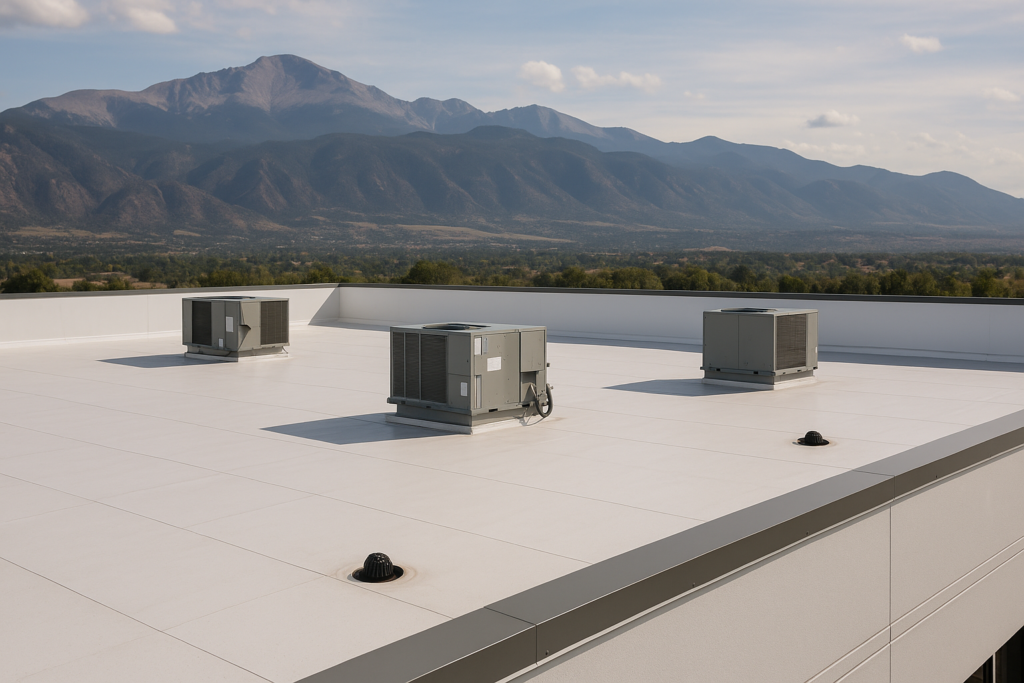
A Colorado Springs facility-manager guide to what commercial roofers do, when to call them, how commercial work differs from residential roofing, and how inspection, repair, maintenance, and replacement are typically sequenced.
Flat Roof Repair Colorado Springs: A Commercial Guide by Roof Type
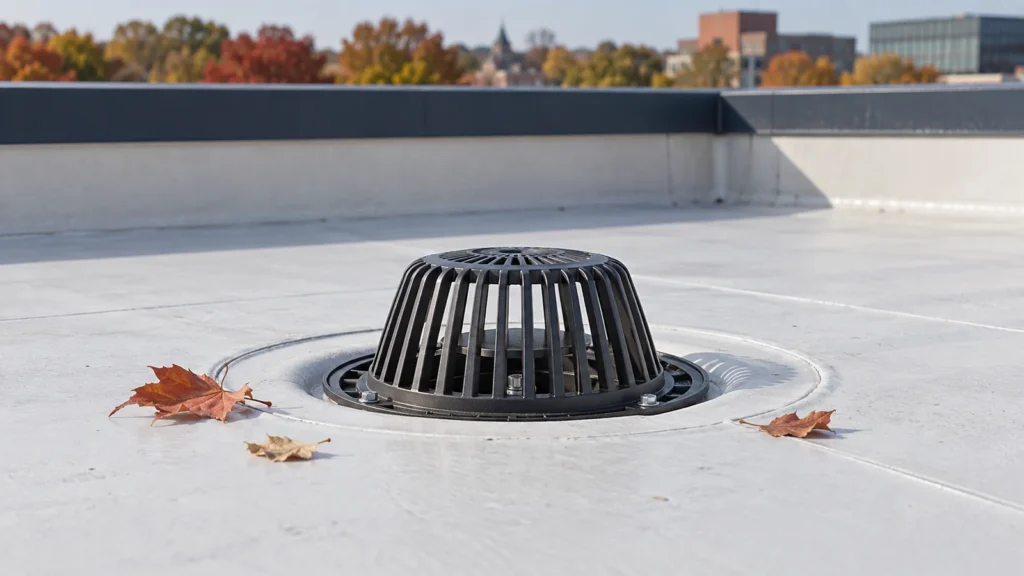
A Colorado Springs facility-manager guide to commercial flat roof repair by roof type (TPO, PVC, EPDM, modified bitumen, built-up and coated), when to repair versus replace, and a pre-winter flat roof checklist.
Commercial Roofing Contractors Colorado Springs: How to Vet and Compare Bids
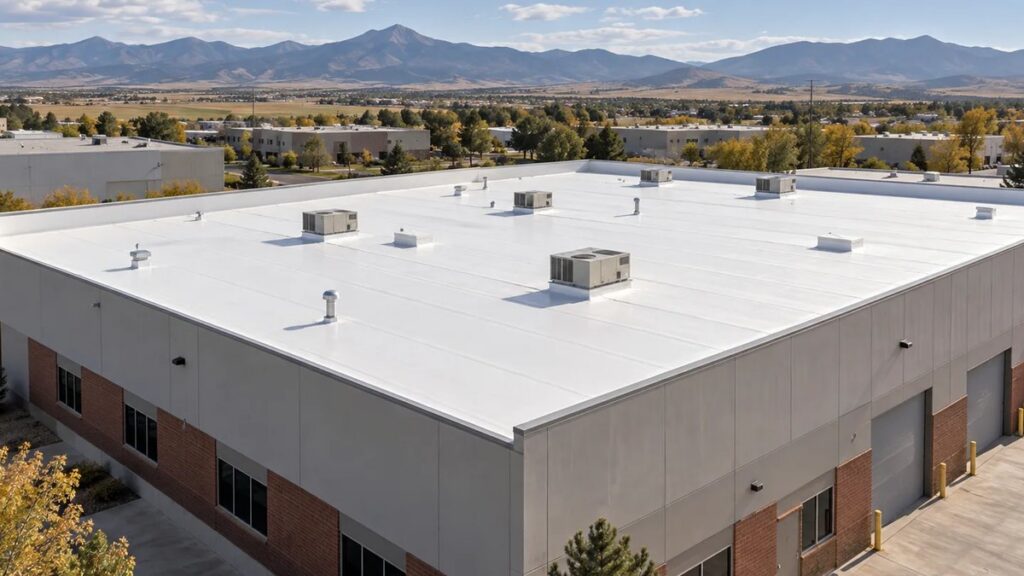
A Colorado Springs facility-manager guide to vetting commercial roofing contractors: verify licensing and insurance, judge the inspection, level bids line by line, and check response, maintenance and warranty documents.
Hail Damage Roof Repair Colorado Springs: Commercial FM Guide
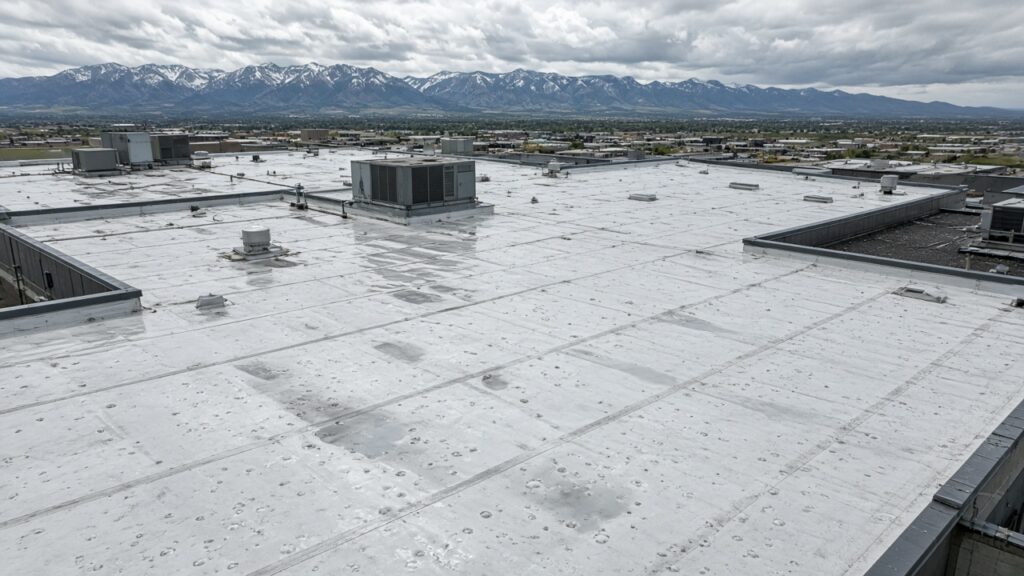
A Colorado Springs commercial property-manager guide to hail damage roof repair—assessment, patch vs section, drainage follow-up, and 24/7 contact—without invented claim stats.
Commercial Roof Repair Colorado Springs: Scope, Patch vs Replace, and Next Steps
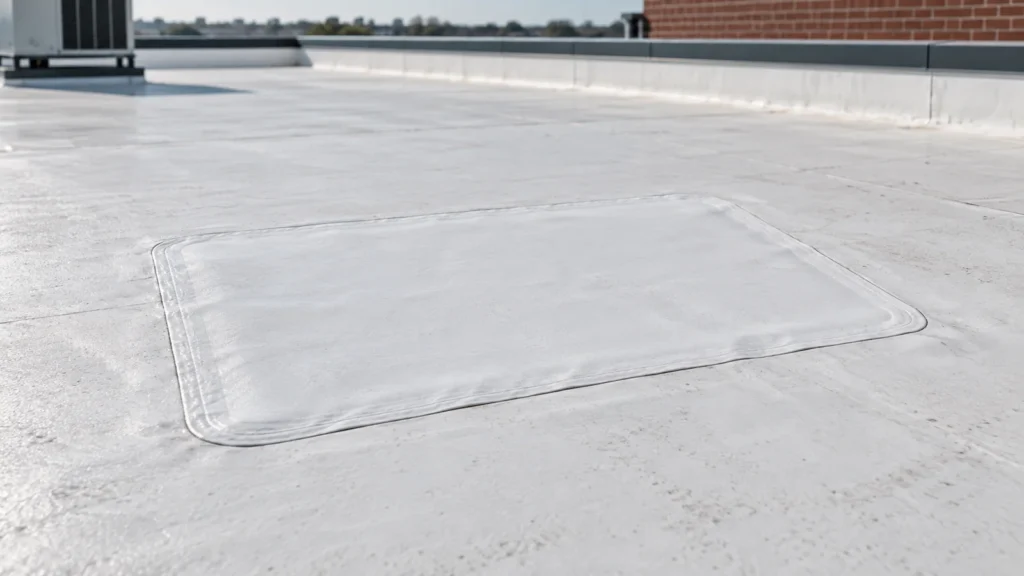
A facility-manager guide to commercial roof repair in Colorado Springs—stabilize, document, scope the fix, and decide patch vs section vs replace without invented claims.
Commercial Roofing Colorado Springs: Inspection-First Owner Guide
An inspection-first commercial roofing guide for Colorado Springs owners and facility managers—how to evaluate repair, replace, and maintenance without thin 24/7 duplicate copy.
TPO vs EPDM vs PVC in Colorado Springs: Commercial Roof Decision Guide
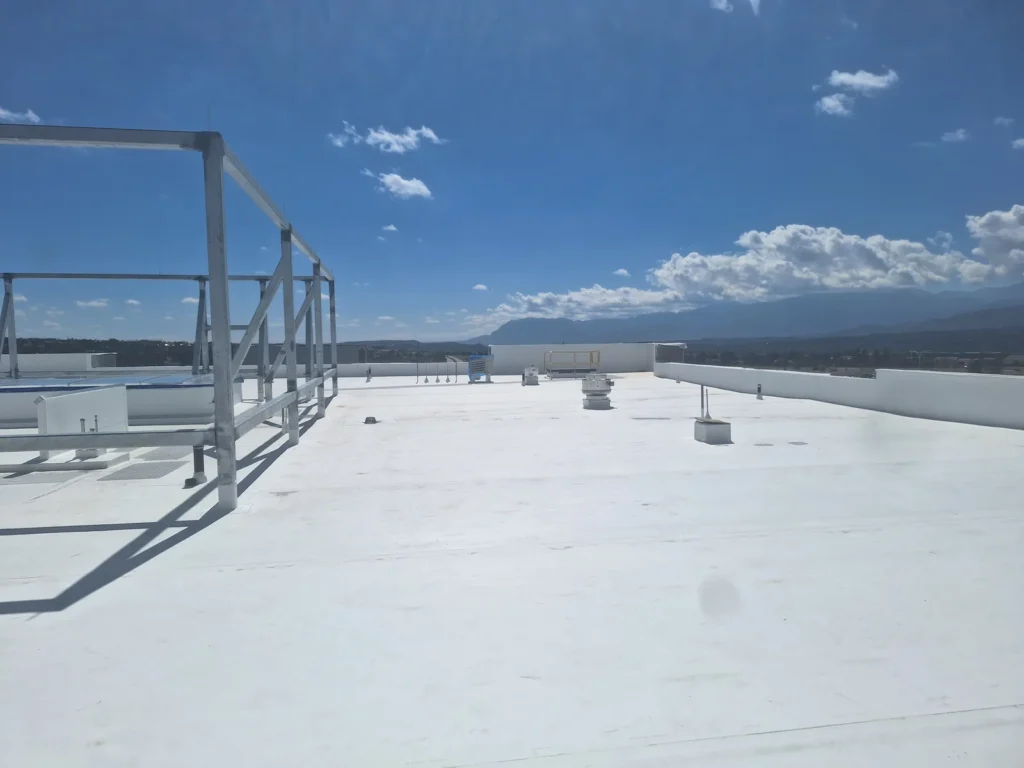
A facility-manager guide to choosing between TPO, EPDM, and PVC commercial membranes in Colorado Springs—without invented prices or one-size-fits-all claims.