



TPO ROOFING SYSTEMS
TPO Roofing Systems Engineered for Front Range Conditions
Tectum Roofing helps commercial property teams plan TPO roof repairs, maintenance and replacement around the building’s condition, exposure and operating needs. Serving Colorado Springs, Pueblo, Castle Rock, Parker and Denver.
Home > Systems > TPO Roofing
OVERVIEW
What Is TPO Roofing?
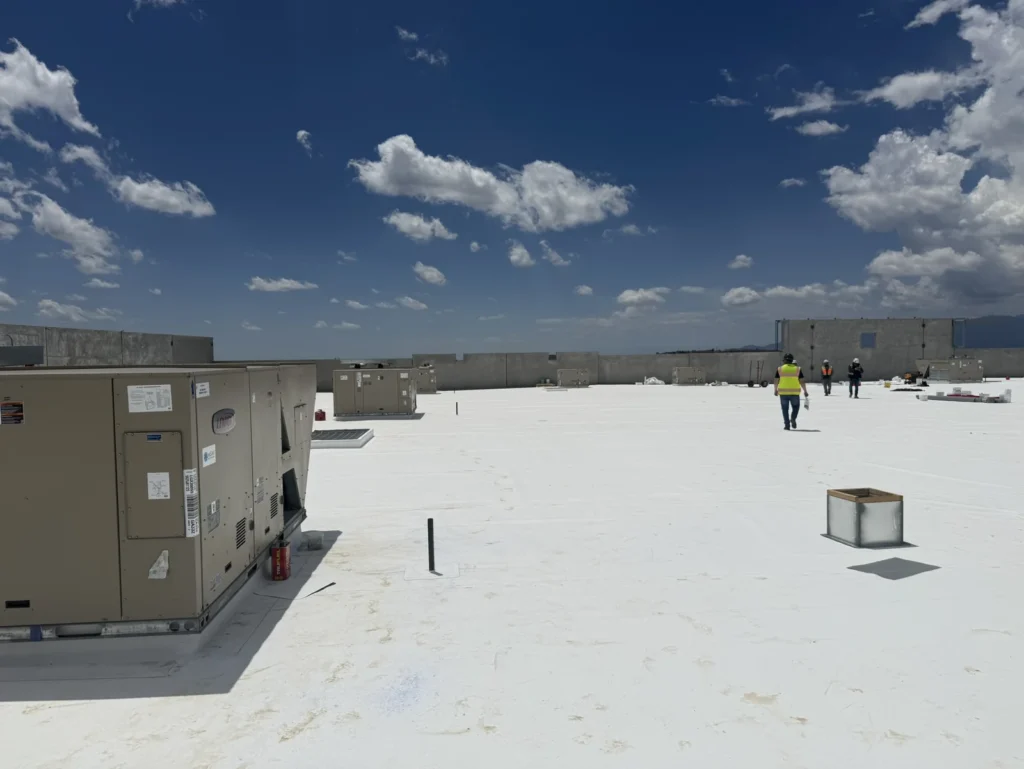
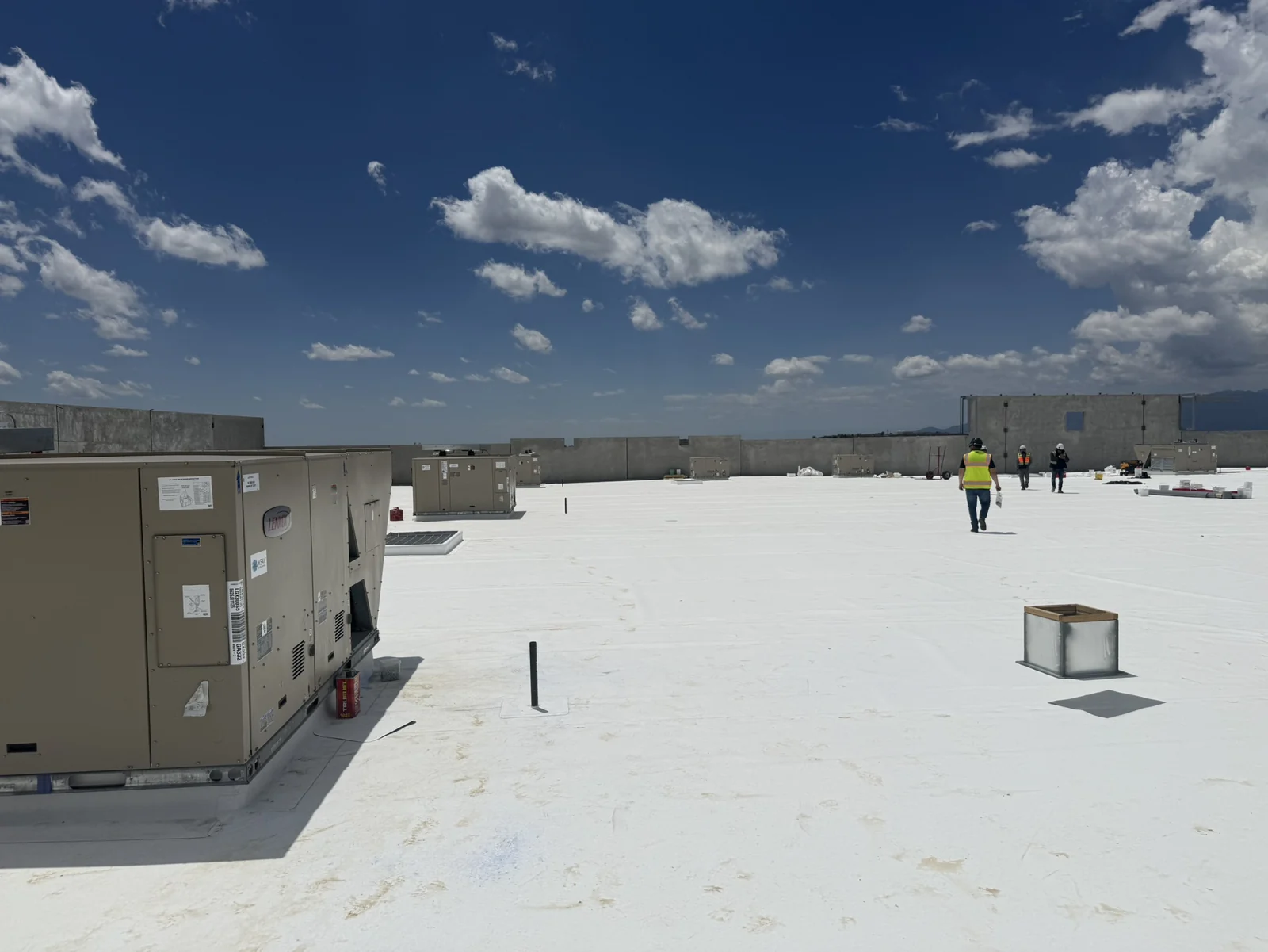
TPO (thermoplastic polyolefin) is a thermoplastic single-ply roofing membrane with heat-welded seams. White TPO is a reflective option for low-slope commercial roofs. Thicknesses, colors and attachment methods vary by product.
A TPO roof is a complete assembly: membrane, insulation, cover board where specified, attachment, flashings and drainage. Tectum reviews those components together when developing a repair or replacement scope.
Property Managers
Use documented roof findings and a clear scope to support ownership reporting, maintenance priorities and replacement planning.
Facility Directors
Plan roof access, drainage and maintenance around rooftop equipment and day-to-day facility operations.
Commercial Owners
Compare repair needs, replacement scope, maintenance responsibilities and written warranty terms before making a capital decision.
General Contractors
Coordinate the roof assembly, approved substrates, attachment details and installation sequence with the project specifications.
TPO AT A GLANCE
TPO System Specifications
| Specification | Detail |
|---|---|
| Membrane thickness | Specified per project for Front Range hail and UV exposure |
| Product thickness examples | 45-, 60- and 80-mil examples; confirm the selected product's current data sheet |
| Installation methods | Mechanically fastened, fully adhered, induction welded |
| Slope and drainage | Low-slope applications; confirm project drainage, applicable code and manufacturer requirements |
| Fire rating | Class A assemblies available when specified and when the assembly qualifies |
| Reflectivity (cool roof) | Solar reflectance and SRI are different measurements; use the selected product's current initial and aged ratings |
| Wind uplift performance | Attachment designed to the project's wind requirements; can meet applicable FM requirements when specified |
| Service-life planning | Depends on the assembly, installation, exposure and maintenance; assess condition rather than assuming a fixed lifespan |
| Warranty options | Project-specific written terms; confirm product, assembly and contractor eligibility |
KEY BENEFITS
What to Consider When Choosing TPO
White Reflective Surface (Cool Roof)
White TPO can reduce solar heat absorption compared with darker roofing surfaces. The building’s energy benefit depends on climate, insulation and heating and cooling needs. Review the selected product’s solar reflectance, thermal emittance and SRI ratings rather than assuming a fixed temperature or utility saving.
Heat-Welded Seam Performance
TPO sheet seams are joined with hot-air welding. Installation conditions, equipment settings and workmanship affect the finished seam. Seam checks and properly detailed penetrations, edges and flashings remain part of a reliable roofing scope.
Exposure and Product Compatibility
Review the selected membrane’s published performance data for the building’s exposure. Rooftop exhaust, grease, chemicals and service traffic may affect material selection and maintenance. Tell Tectum about equipment and operations that could contact or affect the roof.
Manufacturer Warranty Options
Manufacturer warranty availability depends on the product, complete assembly, contractor eligibility and project requirements. Review the written term, coverage, exclusions and maintenance obligations with the proposal. A warranty term is not a prediction of service life.
SPECIFY THE COMPLETE ASSEMBLY
Why Tectum Specifies Membrane Thickness to the Building
Membrane thickness is one part of the specification. The insulation, cover board, attachment, flashing details and tested roof assembly also affect performance. A thicker sheet alone does not establish hail resistance or wind compliance.
Tectum reviews building exposure, rooftop access, existing conditions and manufacturer requirements before proposing a system. The selected product and nominal thickness should be stated in the written scope.
INSTALLATION METHODS
Three Methods to Install TPO — Each With a Specific Use Case
Mechanically Fastened
Mechanically attached systems use specified fasteners and plates to secure the membrane. The deck, fastener pattern, roof zones and tested assembly need to match the project’s design requirements. Suitability and installation sequencing are reviewed for the building.
Fully Adhered
Adhered systems bond the membrane to an approved substrate using the specified adhesive or a factory-applied adhesive layer. Substrate preparation, application conditions and the complete assembly affect performance. Compare the approved system details and project constraints before selecting this method.
Induction Welded (RhinoBond)
Induction-welded systems, such as RhinoBond, bond compatible membrane to specially coated plates using induction equipment. The fasteners secure the plates through the insulation into the deck. Plate layout, membrane compatibility and the tested assembly must meet the project requirements.
TPO MANUFACTURER OPTIONS
Compare TPO Product Families
Manufacturer selection should consider the specified assembly, product availability, project requirements and written warranty options. The product families below are examples to discuss during planning. Confirm current contractor eligibility and the exact warranty offered with the proposal.
GAF
Gold Elite Commercial Contractor
EverGuard TPO
Reinforced TPO membrane
Versico
TPO product manufacturer
VersiWeld TPO
Reinforced TPO membrane
Johns Manville
TPO product manufacturer
Johns Manville TPO
Reinforced TPO membrane
Elevate
TPO product manufacturer
UltraPly TPO
Reinforced TPO membrane
01. How long does a TPO roof last in Colorado?
There is no single lifespan that applies to every TPO roof. The complete assembly, installation, weather exposure, rooftop use and maintenance affect service life. An inspection and review of roof records provide a better basis for planning than a generic year range. Warranty duration and expected service life are different.
02. What thickness of TPO does Tectum specify?
Tectum reviews the existing conditions, building exposure, rooftop access and manufacturer requirements before proposing a membrane. Thickness is considered with insulation, cover board, attachment and the tested assembly. The proposal should identify the selected product and nominal thickness.
03. How does TPO compare to PVC?
TPO and PVC are different thermoplastic membrane materials that can use heat-welded seams. Compare specific products against rooftop exhaust, chemical exposure, assembly requirements and written warranty terms. Material selection and project cost should be assessed for your building.
04. Is TPO a good choice for hail-prone areas?
Evaluate the complete tested roof assembly for the project’s hail exposure, including membrane, cover board and substrate. Membrane thickness alone does not establish an impact rating. No roofing system is hail-proof; arrange an assessment after suspected damage.
05. What manufacturer TPO does Tectum install?
Product families to discuss include GAF EverGuard TPO, Versico VersiWeld TPO, Elevate UltraPly TPO and Johns Manville TPO. Confirm product availability, suitability and current contractor eligibility for any proposed manufacturer warranty with your project proposal.
06. What areas does Tectum serve for TPO roofing?
Tectum serves commercial properties in Colorado Springs, Pueblo, Castle Rock, Parker and Denver. Share your property address so we can confirm service availability, access and project requirements.
07. Can a TPO roof be repaired or restored instead of replaced?
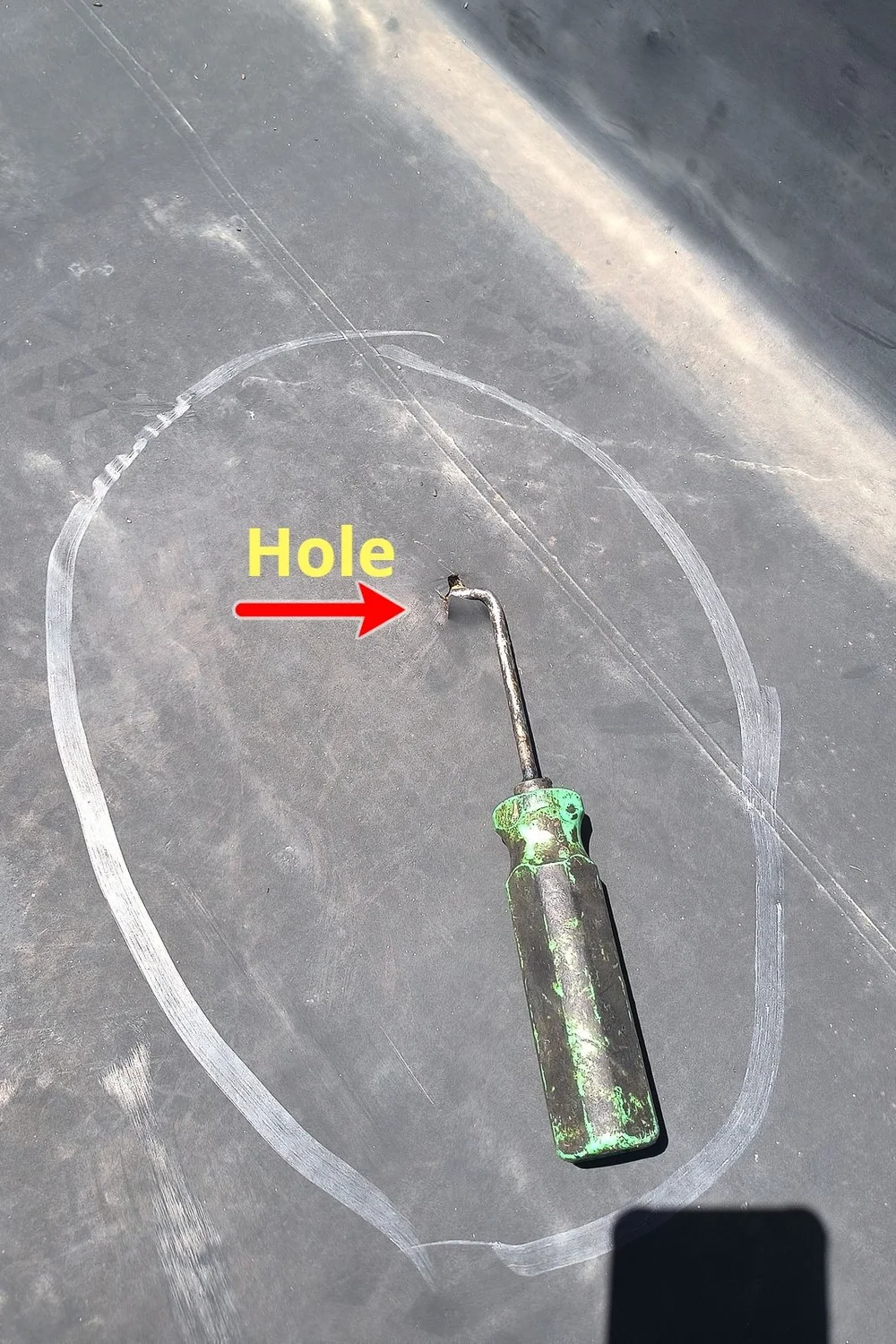
A localized repair may be appropriate when the affected areas and existing assembly support it. Widespread deterioration, wet materials or recurring leaks may need further investigation. Coating or restoration options require product compatibility and manufacturer approval. An inspection helps define the next step.
08. Which TPO manufacturer is best?
There is no universal best manufacturer for every building. Compare the specified assembly, product performance, availability, installation requirements and written warranty coverage. The recommendation should explain why the proposed system fits your property.
RELATED SERVICES
Related Commercial Roofing Services
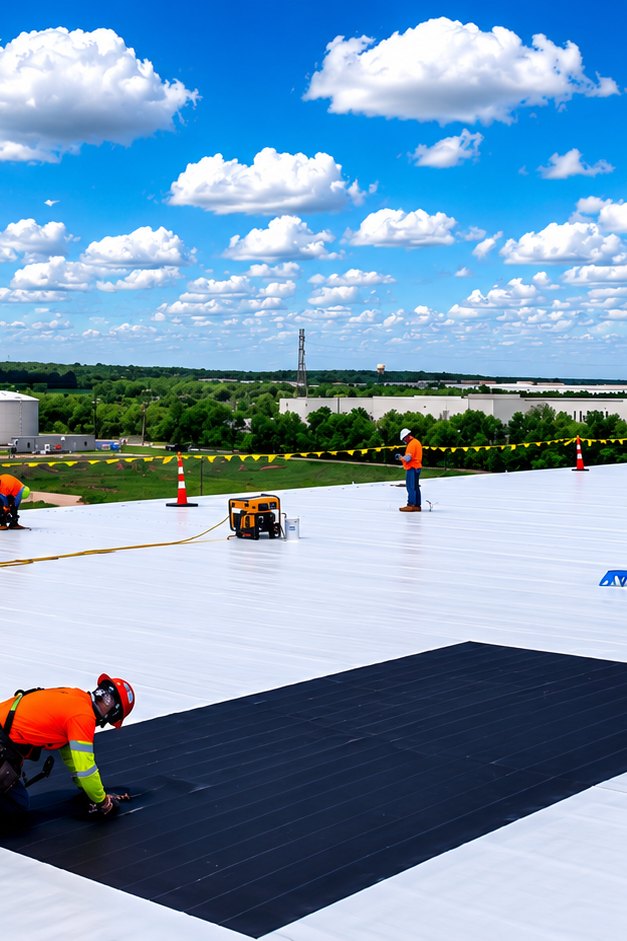
Compare roof-system options and plan the services your TPO roof needs. An inspection can help define repair priorities, ongoing maintenance or replacement requirements.
Commercial Roof Repair
Review leaks, seams and flashing problems with a repair scope based on your existing roof.
PVC Roofing
Chemical- and grease-resistant single-ply for restaurants, industrial and healthcare buildings, with Class A assemblies available when specified.
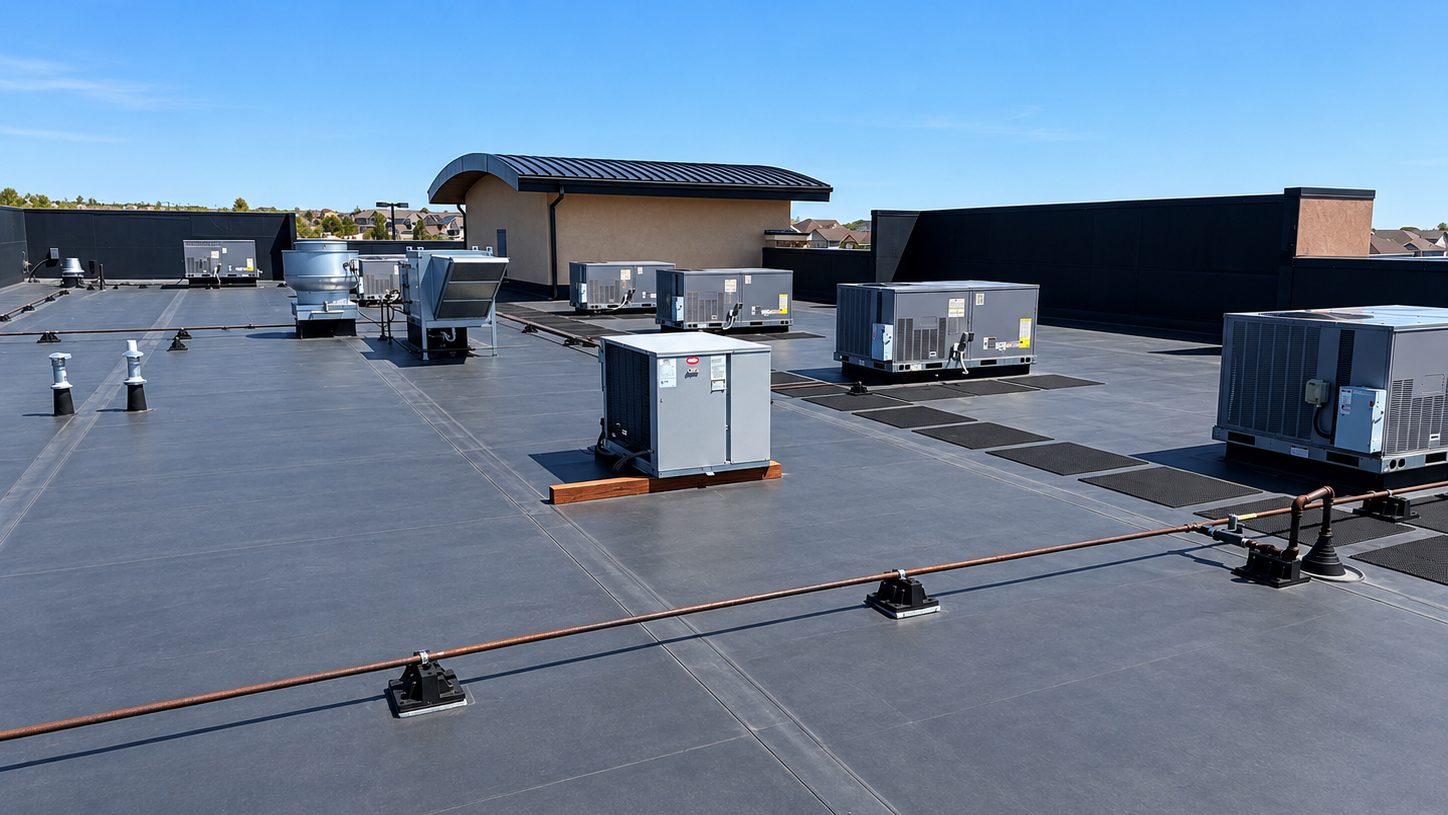
EPDM Roofing
Proven synthetic-rubber membrane for multi-family, warehouse and cold-climate roofs, installed adhered, fastened or ballasted.
Metal Roofing
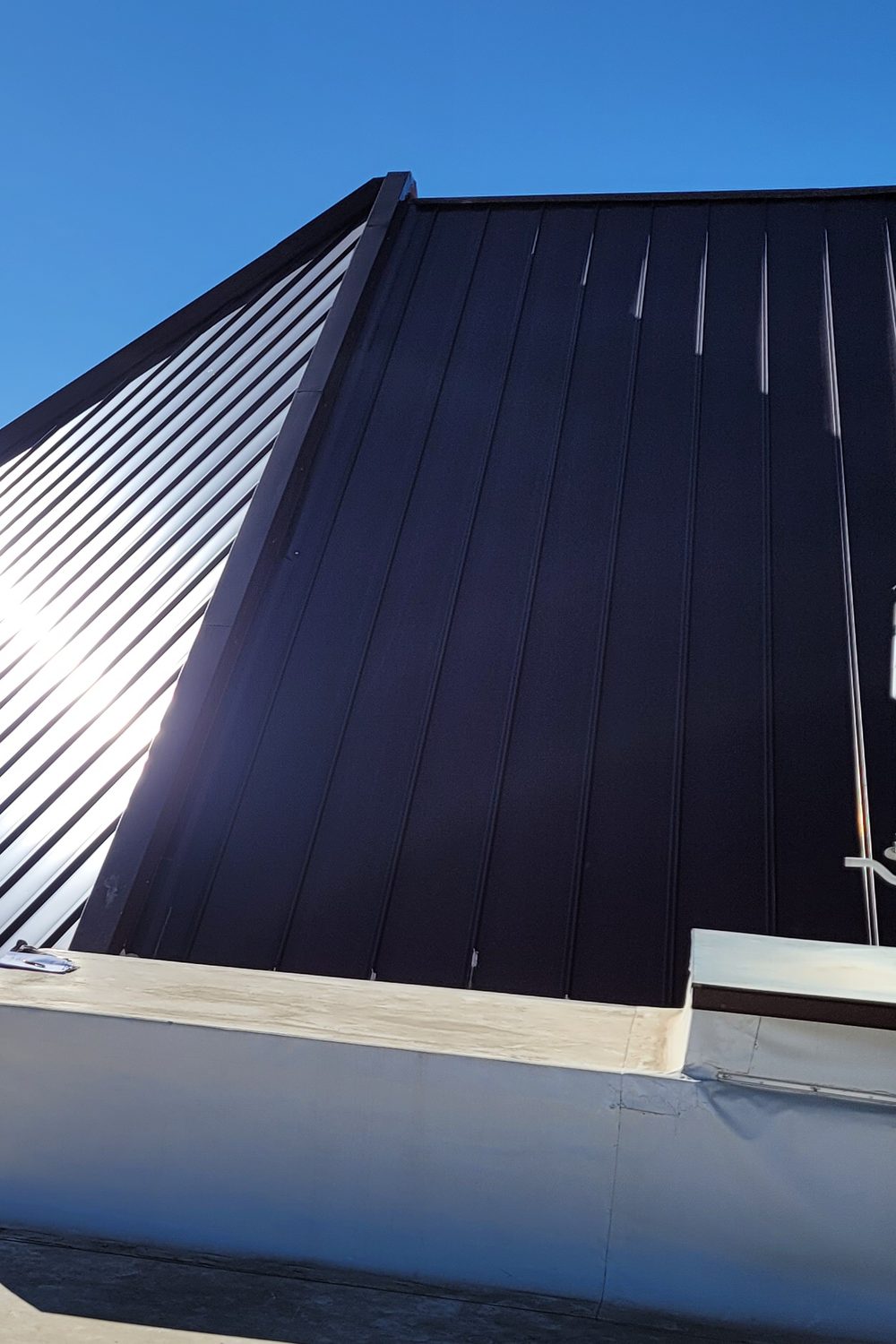
Standing seam, exposed-fastener and architectural metal panels, roll-formed in-house and specified for long ownership horizons.
Specifying a TPO roof for your commercial property? Start with an inspection.
Tell us about the building, current roof condition and the problem you need to solve. Tectum will discuss inspection access and the information needed to develop a repair, maintenance or replacement scope.
Phone
(719) 455-7663