MULTI-FAMILY & HOA ROOFING
Multi-Family Roofing — Built for HOA Boards and Property Managers
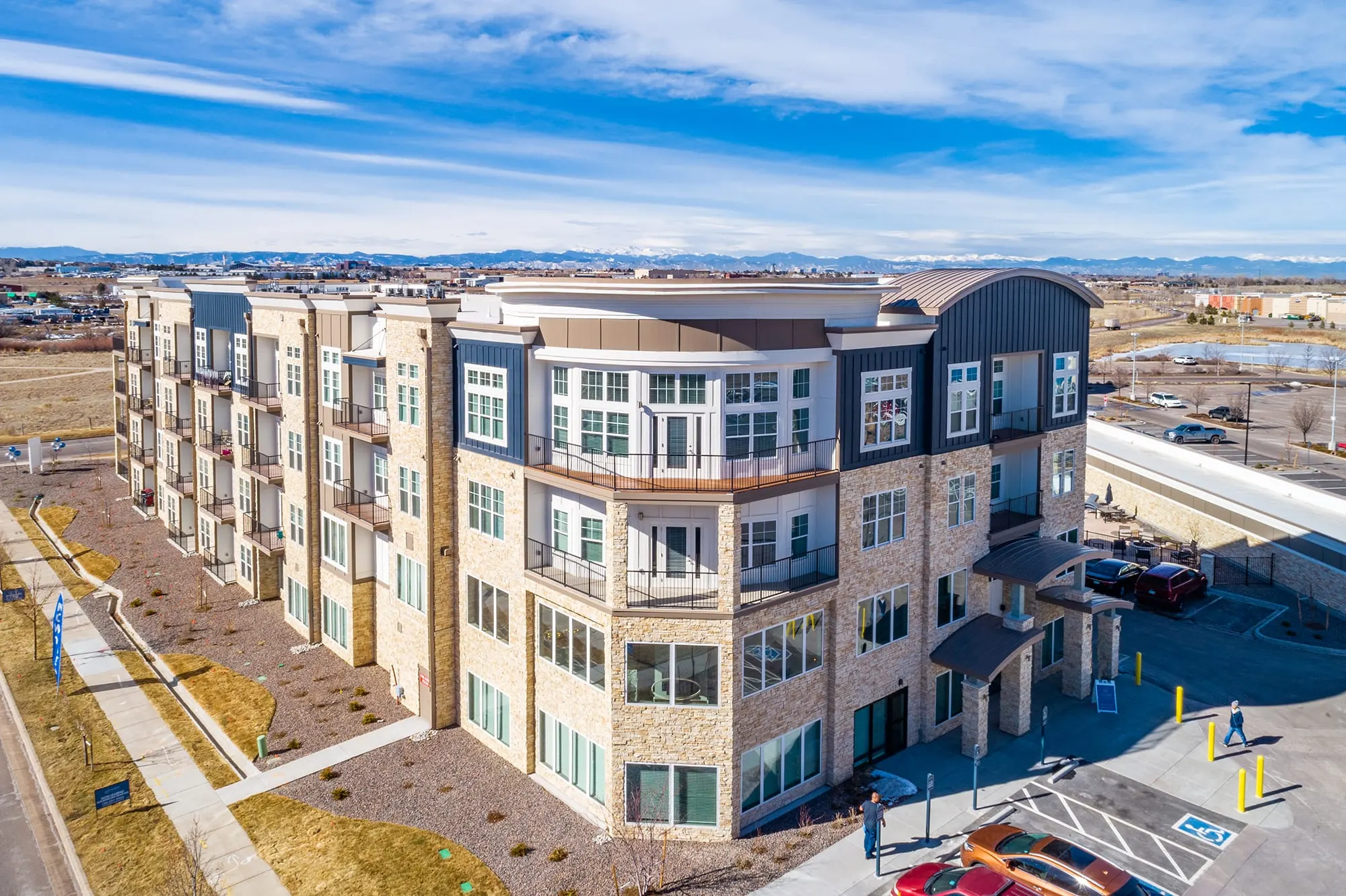
Multi-family commercial roofing — apartments, condominiums, HOA properties, and mixed-use multi-family — requires capital reserve alignment, board-defensible documentation, and resident-aware execution. Tectum specifies and installs TPO, PVC, EPDM, Metal systems engineered for multi-family economics across Colorado Springs, Pueblo, Castle Rock, Parker, and Denver.
Home > Industries > Multi Family
OVERVIEW
Why Multi-Family Roofing Is a Governance Project as Much as a Construction Project
Multi-family commercial roofing covers apartments, condominium communities, HOA-governed properties, and mixed-use multi-family buildings. Specifications and execution have to align with HOA capital reserve studies, board-defensible documentation, resident occupancy, and community governance structures. The technical roofing decisions are the easy part — getting the documentation, communication, and governance right is what makes or breaks the project.
Property Managers
Multi-family property managers coordinate roofing decisions across HOA boards, owners, residents, and ownership entities. Tectum produces condition reports, capital planning forecasts, and execution scopes formatted for board presentation — eliminating the translation layer between contractor jargon and board governance.
HOA Boards
HOA boards face fiduciary duty to homeowners on every capital decision. Roof replacement is often the single largest capital expense in an HOA's reserve study. Tectum provides documented inspection findings, multiple system options with side-by-side comparison, and warranty-backed proposals defensible at owner meetings and audit reviews.
Multi-Family Asset Managers / REITs
REITs and institutional multi-family asset managers run 7-10 year ownership cycles. Roofing decisions align with hold horizon, exit cap rate impact, and operating expense projections. Tectum's RAM Program produces portfolio-level reporting suitable for REIT executive use and investor disclosure.
Condo Association Owners
Condo associations govern roofing on behalf of unit owners with direct financial stake. Capital assessments, special assessments, and reserve funding all flow from roofing decisions. Tectum's documentation supports the special-assessment proposal, owner-meeting Q&A, and capital reserve study updates.
MULTI-FAMILY REQUIREMENTS
Four Multi-Family Requirements That Drive
Specification
| Requirement | Specification Implication |
|---|---|
| Capital reserve alignment | Specification must match the funding the HOA capital reserve study supports — often constrains premium specs unless special assessment is in play. |
| Board-defensible documentation | Written condition reports, photo evidence, manufacturer certifications, warranty documentation — formatted for owner meetings and audit reviews. |
| Resident occupancy | Buildings are occupied throughout execution — execution methodology must protect residents from noise, debris, water exposure, and traffic disruption. |
| Multi-decade governance cycle | HOA boards rotate. Documentation must outlive any single board so future boards understand the roofing decisions made and the warranty status preserved. |
RECOMMENDED MULTI-FAMILY SYSTEMS
Three Roof Systems That Fit Multi-Family
Specifications
EPDM Roofing
EPDM remains the dominant multi-family commercial roofing specification — cost-effective installation at multi-building scale, broad HOA capital reserve familiarity, strong cold-weather flexibility, and a 40+ year track record on multi-family roof installations. Most common spec across Front Range multi-family communities.
Best for: Most apartment buildings, condominium communities, HOA properties, multi-building portfolios
TPO Roofing
TPO is the second-most-common multi-family specification. White reflective surface reduces cooling load on residential units below. Heat-welded seams provide monolithic performance. Manufacturer warranty options up to 30-year NDL are available when the manufacturer, system and project qualify.
Best for: Newer multi-family construction, energy-code-compliance-driven specifications, cool-roof communities
Standing Seam Metal
Standing seam metal fits steep-slope multi-family buildings and communities planning a multi-decade hold — concealed fasteners, a 40–60-year service life and panels roll-formed in-house to length without field splicing.
Best for: Steep-slope buildings, long-hold communities, architectural intent
BOARD-DEFENSIBLE DOCUMENTATION
Documentation Formatted for HOA Boards, Property Managers, and Capital Reserve Studies
Multi-family roofing decisions are made by boards — not by individual property managers. Boards meet quarterly. Board members rotate annually. Board votes are recorded in meeting minutes that homeowners can review. Roofing documentation has to work at that governance pace and that transparency level.
Tectum produces multi-family roofing documentation engineered for board governance — written condition reports with photographic evidence, multiple system options with side-by-side technical and financial comparison, warranty documentation, and capital planning forecasts that integrate with the HOA’s capital reserve study. The board votes from the documentation. The property manager defends the decision from the same documentation. The next board, three years later, reads the same documentation.
| Document Type | Purpose |
|---|---|
| Written condition report | Documented inspection findings with photographic evidence — defensible at board meeting |
| System options comparison | 2–3 system options with technical and financial side-by-side comparison — board can choose informed |
| Capital reserve study integration | Roofing capital line items formatted for reserve study update |
| Special assessment supporting docs | Where special assessment is required, supporting docs that the property manager can hand owners |
| Warranty documentation | Manufacturer NDL warranty registration and coverage summary |
| Owner-meeting Q&A summary | Pre-built answers to the questions owners will ask the board |
RESIDENT-AWARE EXECUTION
Multi-Family Roofs Get Replaced Around the Residents
Multi-family buildings are occupied throughout roof replacement. Residents are home in the morning, in the evening, and on weekends. Children play on the property. Cars park in the lots below the work zones. Pets need outdoor access. Roofing execution has to account for the people who live there — not work as if the building were vacant.
Project-specific resident communication, access planning, property protection and work-zone coordination are established with property management before work begins. Depending on the property, that can include advance written notice, protected walkways and entrances, coordinated parking and staging, and a single escalation contact during the work.
Resident-Aware Execution — How It Is Planned
- Resident communication — project-specific notice and updates coordinated with property management
- Work zone delineation — barriers and signage separating residents from active overhead work
- Property protection — parking, entrances, balconies and amenities protected as the property requires
- Single escalation contact — one Tectum point of contact for resident concerns during execution
01. What's the best commercial roofing system for a multi-family property?
Low-slope multi-family buildings are most often roofed with EPDM or TPO; steep-slope buildings use standing seam metal or shingles. The right choice depends on roof slope, budget, energy goals and the community’s capital plan. Tectum’s inspection documents the options so the board or owner can decide.
02. Does Tectum work with HOA boards?
Yes. Tectum works with HOA boards, property managers and ownership groups, and understands that roofing decisions run through board approval, reserve studies and resident communication. Proposals are written to support that process with documented inspections, photographs and clear scope so the board can make an informed decision.
03. How does roofing affect an HOA capital reserve study?
The roof is usually one of the largest line items in a reserve study, so its documented condition and expected remaining service directly affect reserve contributions. Tectum’s inspection reports and RAM condition grades give boards defensible information for reserve planning rather than estimates.
04. Can multi-family roof work happen with residents in the building?
Yes. Tectum plans multi-family work around residents: phased scheduling by building, communication on noise and parking, protected entrances and walkways, and daily cleanup. Buildings stay watertight at the end of each workday.
05. How is multi-family roofing priced?
Multi-family roofing is priced on roof area, slope, system, tear-off requirements, access and the number of buildings involved. Multi-building communities often benefit from a phased program that spreads capital over several budget cycles. Tectum provides written proposals with scope and schedule for board review.
06. What areas does Tectum serve for multi-family roofing?
Tectum provides multi-family roofing across Colorado Springs, Pueblo, Castle Rock, Parker and Denver and the surrounding Front Range from its Colorado Springs headquarters. Tectum is licensed in all of its service areas. If your building is outside these cities, contact us — many Colorado projects are within reach.
07. Is multi-family roofing commercial or residential?
Apartment communities, condominium and HOA properties are treated as commercial roofing projects — they involve boards or ownership groups, multiple buildings, phased scheduling and commercial roof systems. Tectum manages them under the same documented inspection and project process it uses for other commercial buildings.
RELATED SERVICES
Related Systems, Services & Programs for Multi-Family Owners
PVC Roofing
Chemical- and grease-resistant single-ply for restaurants, industrial and healthcare buildings, with Class A assemblies available when specified.
EPDM Roofing
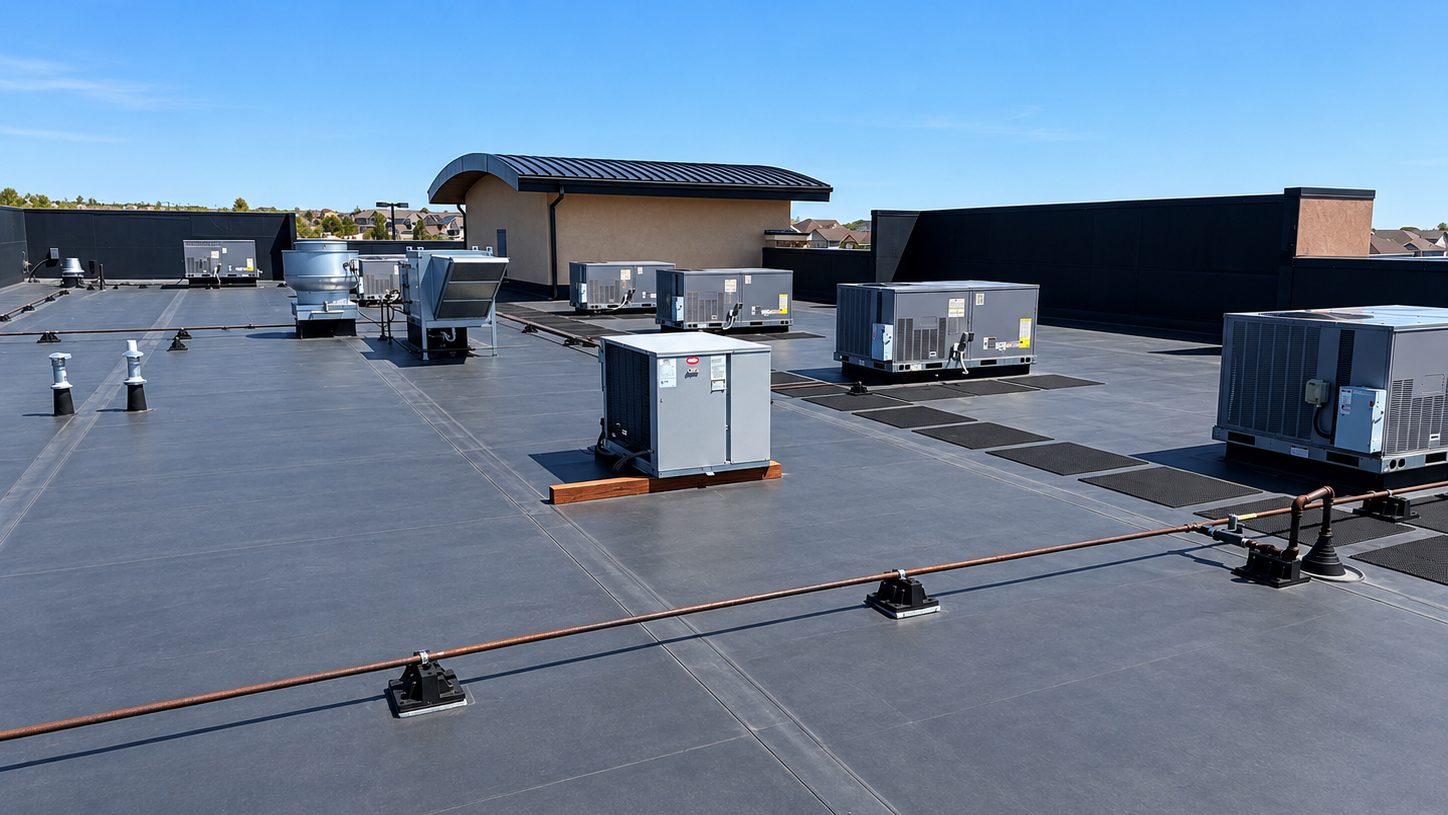
Proven synthetic-rubber membrane for multi-family, warehouse and cold-climate roofs, installed adhered, fastened or ballasted.
Roof Asset Management
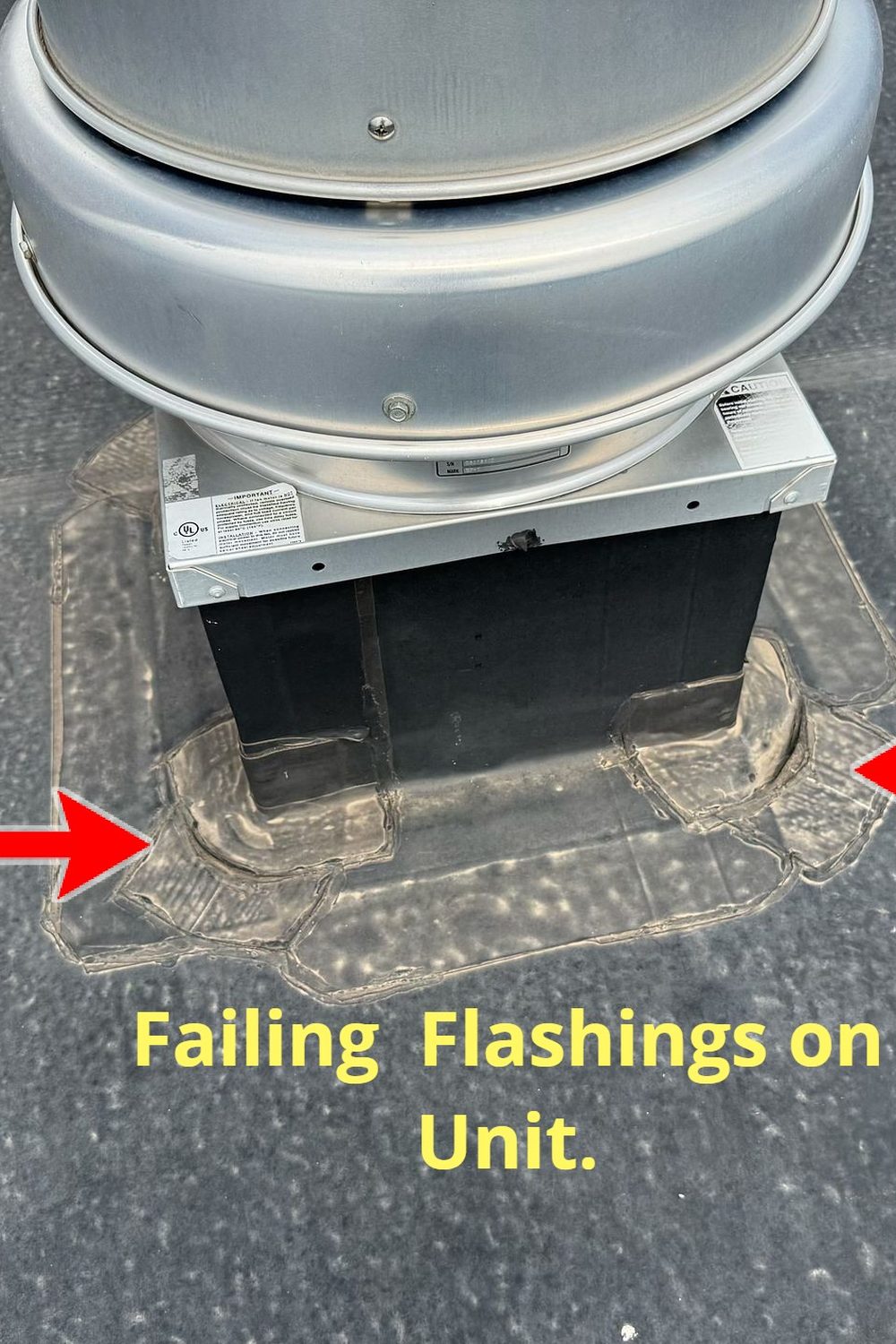
Scheduled inspections, A–F condition grading and photo reporting that keep commercial roofs performing and replacement planned, not forced.
Commercial Roof Inspection
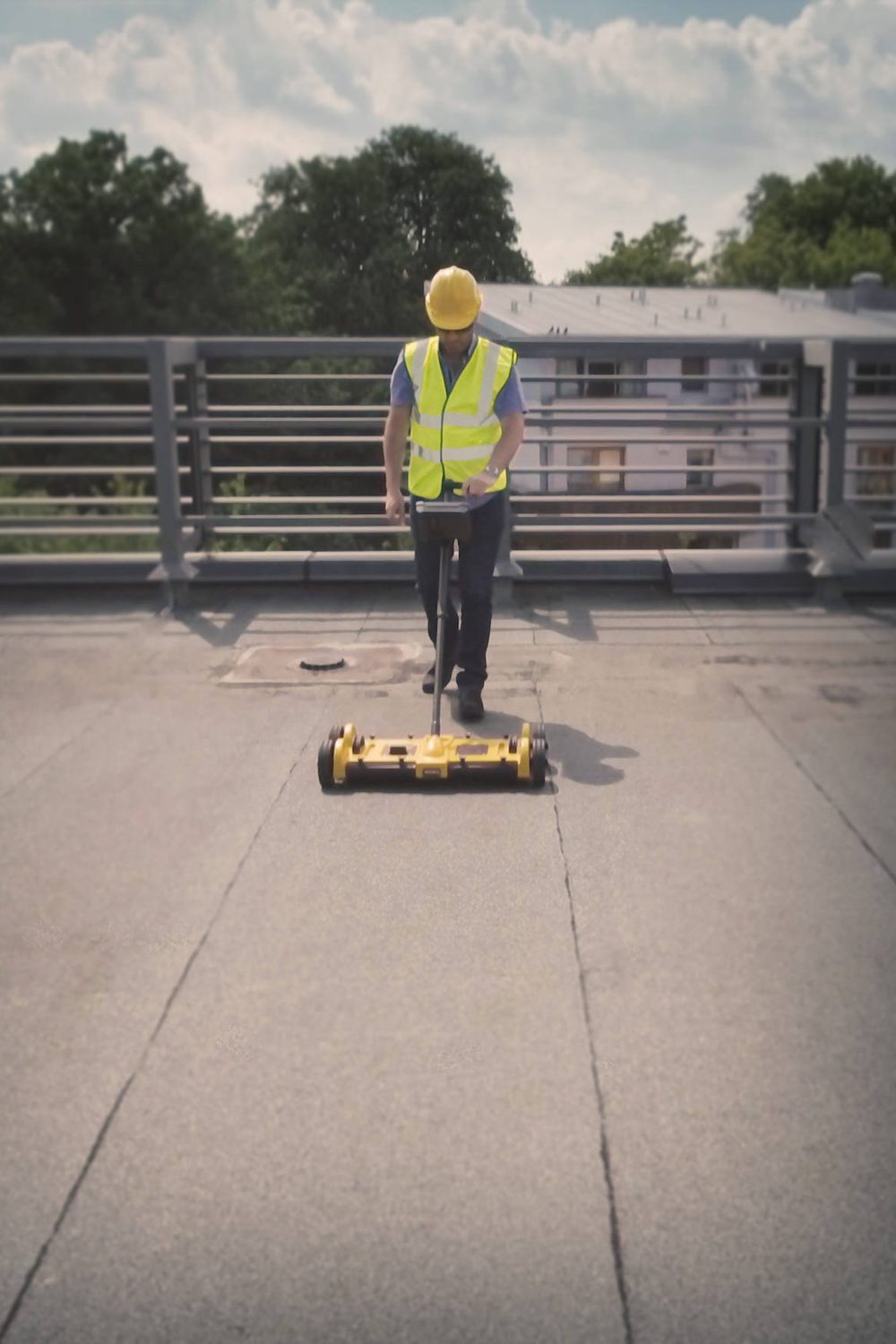
Documented commercial roof inspections with photographs, condition grading and a written report built for owners, managers and adjusters.
Multi-family roofing decisions affect boards, owners, and residents. Start with an inspection.
Tectum produces multi-family inspection documentation, system recommendations, and capital planning forecasts engineered for board governance and HOA capital reserve studies.
Phone
(719) 455-7663