719-455-ROOF
Tectum Roofing logo

ROOF INSPECTION

Commercial Roof Inspection Across Colorado

A documented commercial roof inspection is the starting point for every responsible roofing decision. Tectum delivers documented inspections — drawing on the Haag-certified training of its founder — with infrared moisture scanning where appropriate, photographic findings, and capital planning guidance for property managers, facility directors, and commercial owners across Colorado Springs, Pueblo, Castle Rock, Parker, Denver, and the Front Range.

Home > Commercial > Commercial Roof Inspection

OVERVIEW

Inspection Support for Commercial Roofing Systems

A commercial roof inspection is not just a walk-around. It’s a documented technical assessment of membrane condition, drainage performance, flashings, substrate moisture, and remaining service life — delivered as a written findings report property managers can hand to ownership, insurance carriers, or capital planning teams without translation.

Property Managers

Documented inspections that produce reports you can hand directly to ownership, capital planning teams, or insurance carriers — without translation.

Facility Directors

Baseline inspections for new building acquisitions, recurring inspections for operational buildings, and forensic inspections after storm events or active leaks.

Commercial Owners

Clear assessment of roof condition, remaining service life, and prioritized recommendations — so capital planning decisions are made on data, not guesses.

General Contractors

Pre-acquisition due diligence inspections, pre-warranty inspections for new construction, and existing-roof inspections for building envelope coordination.

KEY BENEFITS

Why Commercial Roof Inspection Requires a Disciplined Methodology

7-Step Documented Methodology

Every Tectum inspection follows the same 7-step process — membrane assessment, drainage analysis, flashing inspection, penetration review, substrate moisture testing, photographic documentation, and findings report compilation. Repeatable, defensible, and built to be cited in capital planning decisions.

Haag-Informed Inspection Methodology

Tectum’s inspection methodology draws on the Haag-certified training held by founder Sean Moriarty — a standardized approach to documenting roof condition, identifying damage causes and writing findings that hold up with owners, adjusters and consultants.

Infrared Moisture Scanning Where Appropriate

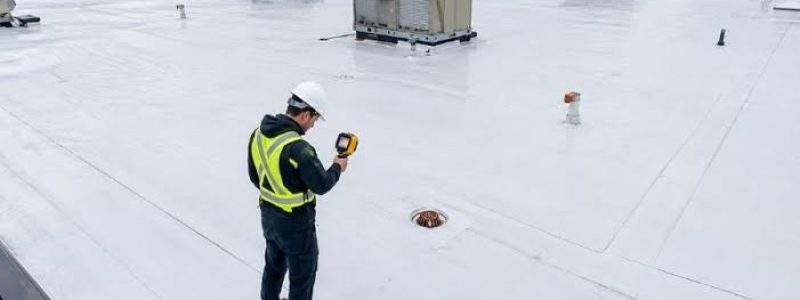
Surface-level inspection misses the majority of moisture intrusion. Tectum utilizes infrared thermal moisture scanning where appropriate and where conditions allow — identifying trapped water in insulation, hidden membrane failures, and saturation patterns invisible to the naked eye.

Capital Planning Guidance in Every Report

Tectum inspection reports include 5-to-10-year capital planning guidance — not just findings. You receive prioritized repair recommendations, estimated remaining service life, and budget direction so capital decisions are made on documented data rather than reactive guesswork.

Asset Management

Integrate your commercial roof inspection into your Asset Management and Roof Asset Management (RAM) systems. Receive actionable insights for long-term planning, budgeting, and preventative maintenance tracking.

INSPECTION PROCESS

The 7-Step Tectum Commercial Roof Inspection

01

02

03

04

Building & System Documentation

Inspector arrives on-site with property data already reviewed — building age, roof system, last inspection date, known issues, manufacturer warranty status. Existing documentation is verified and any gaps are flagged before the physical assessment begins.

Membrane
Condition
Assessment

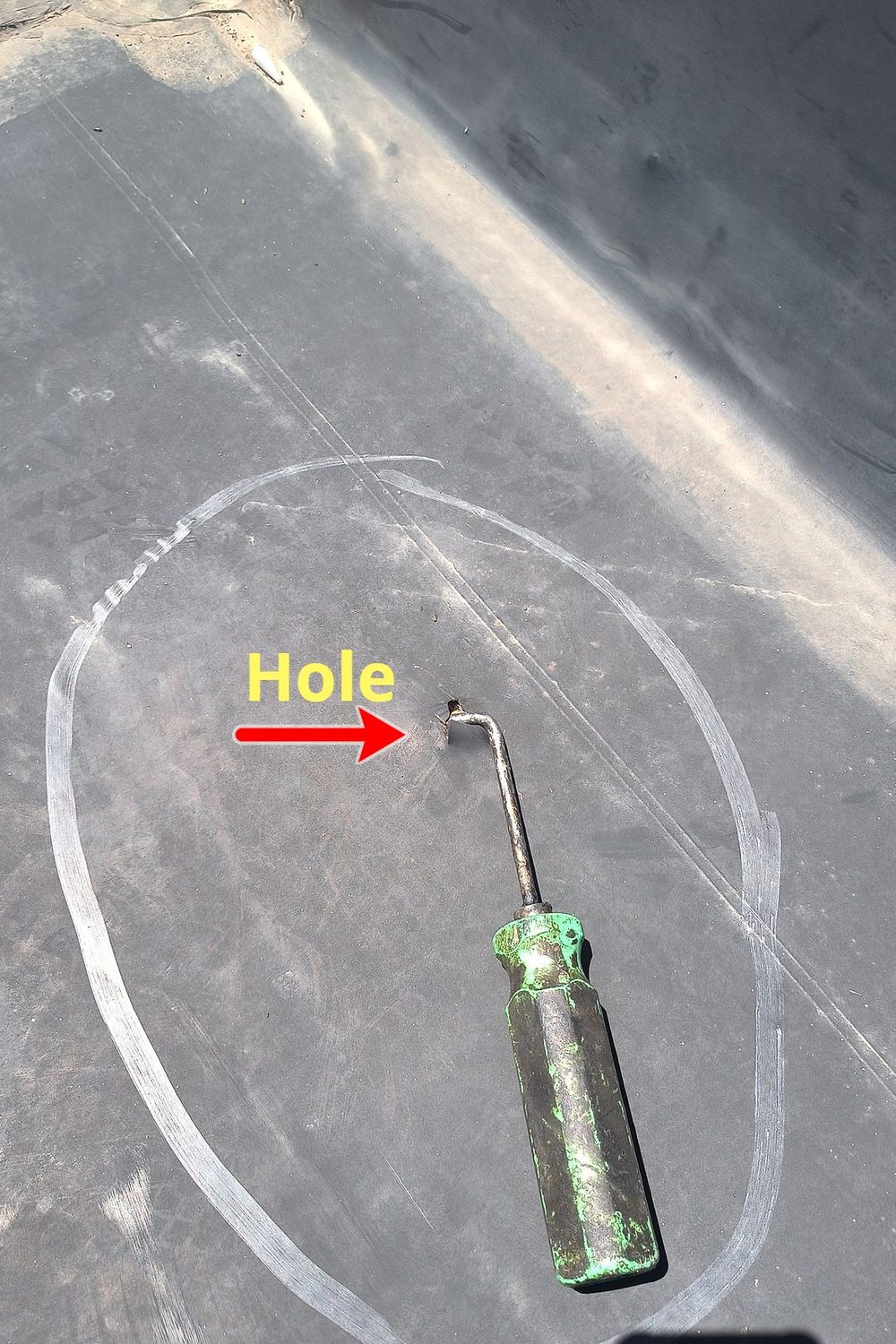
The primary roof membrane is inspected for surface condition, weathering, alligatoring, blistering, granular loss, UV degradation, and physical damage. Each finding is logged by location with photographs and condition severity.

Drainage
Performance
Analysis

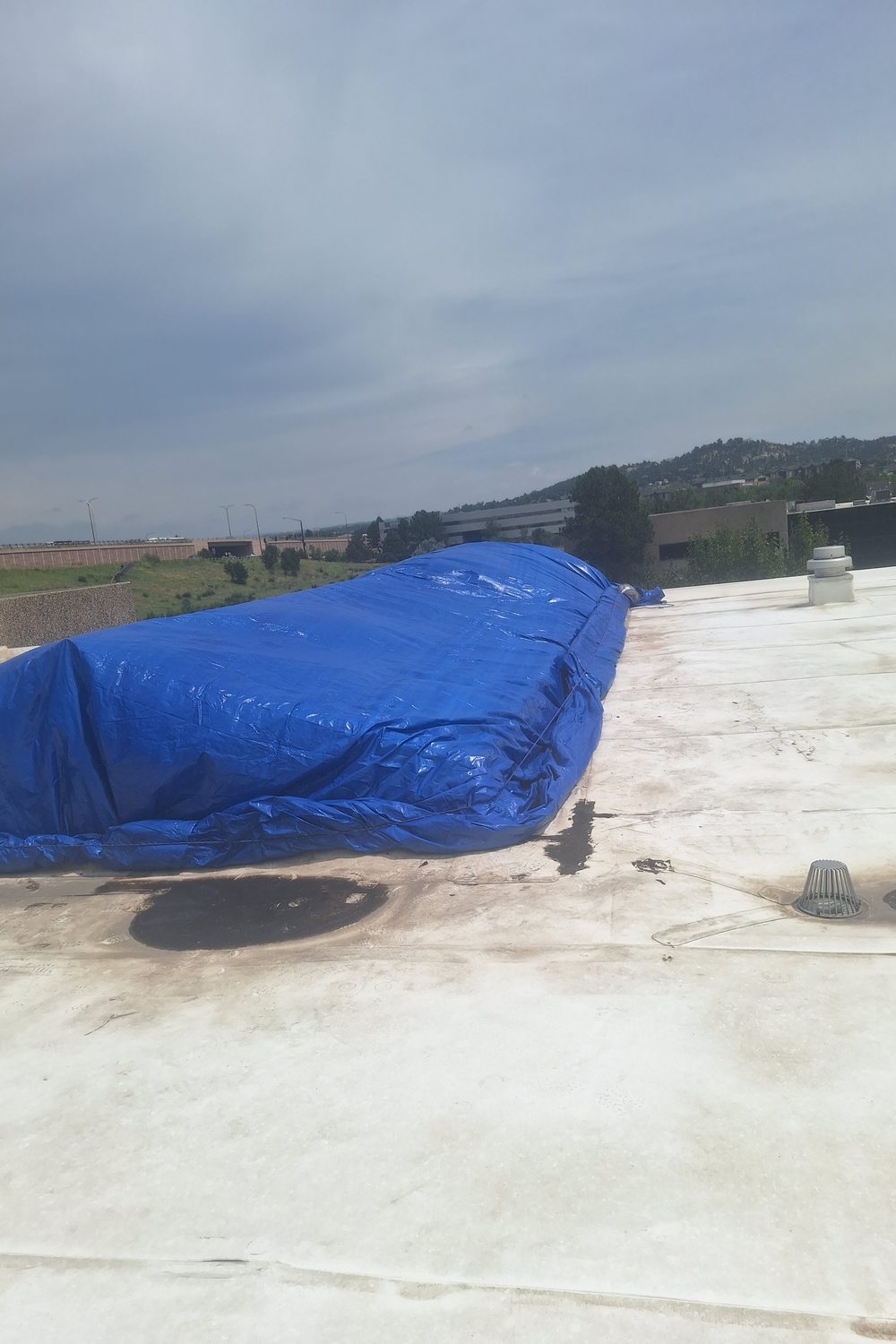
Drains, scuppers, gutters, and slope-to-drain pathways are inspected for blockages, deterioration, and standing water patterns. Ponding water locations are documented — these are early indicators of structural deflection or compromised drainage.

Flashing &
Penetration
Inspection

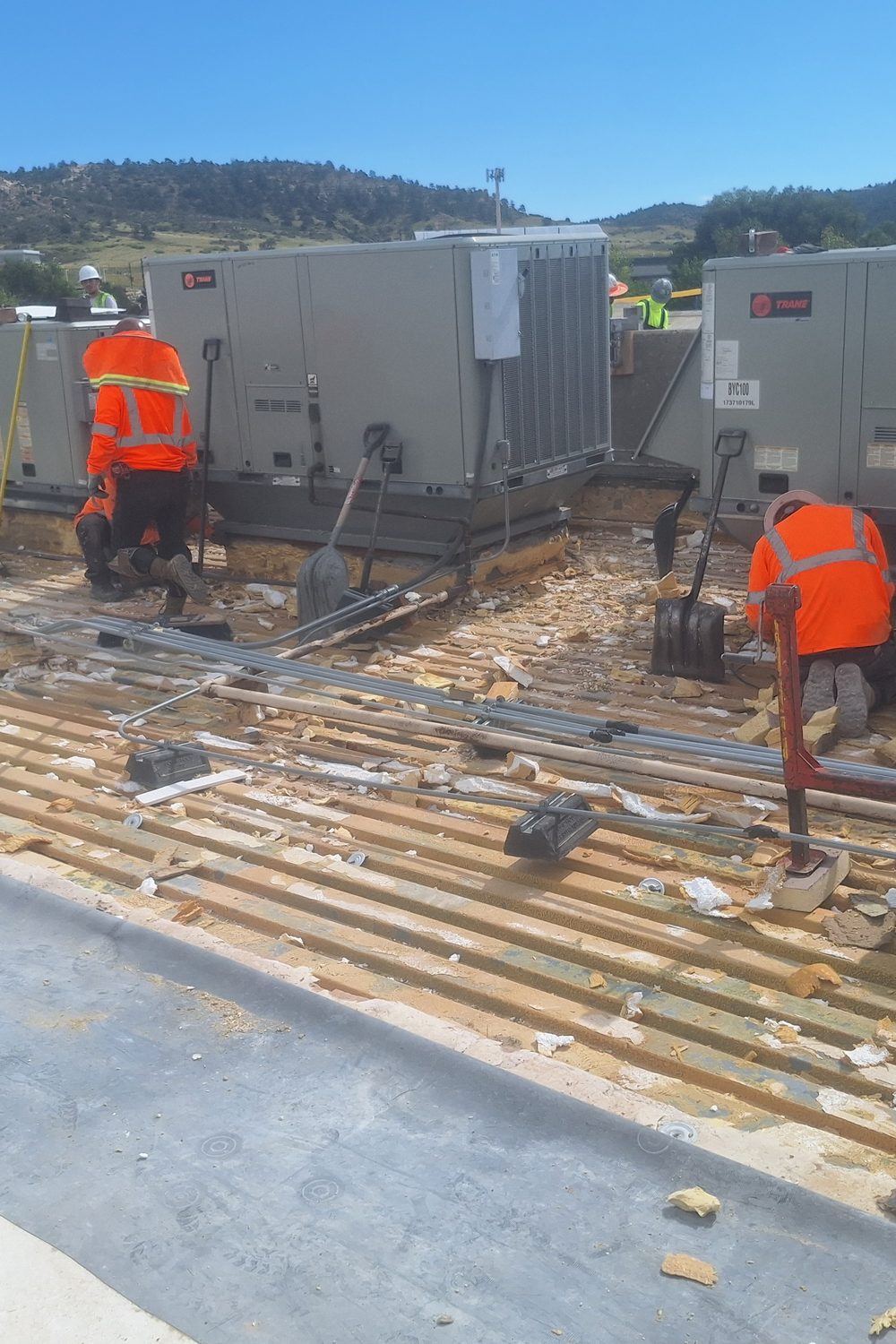
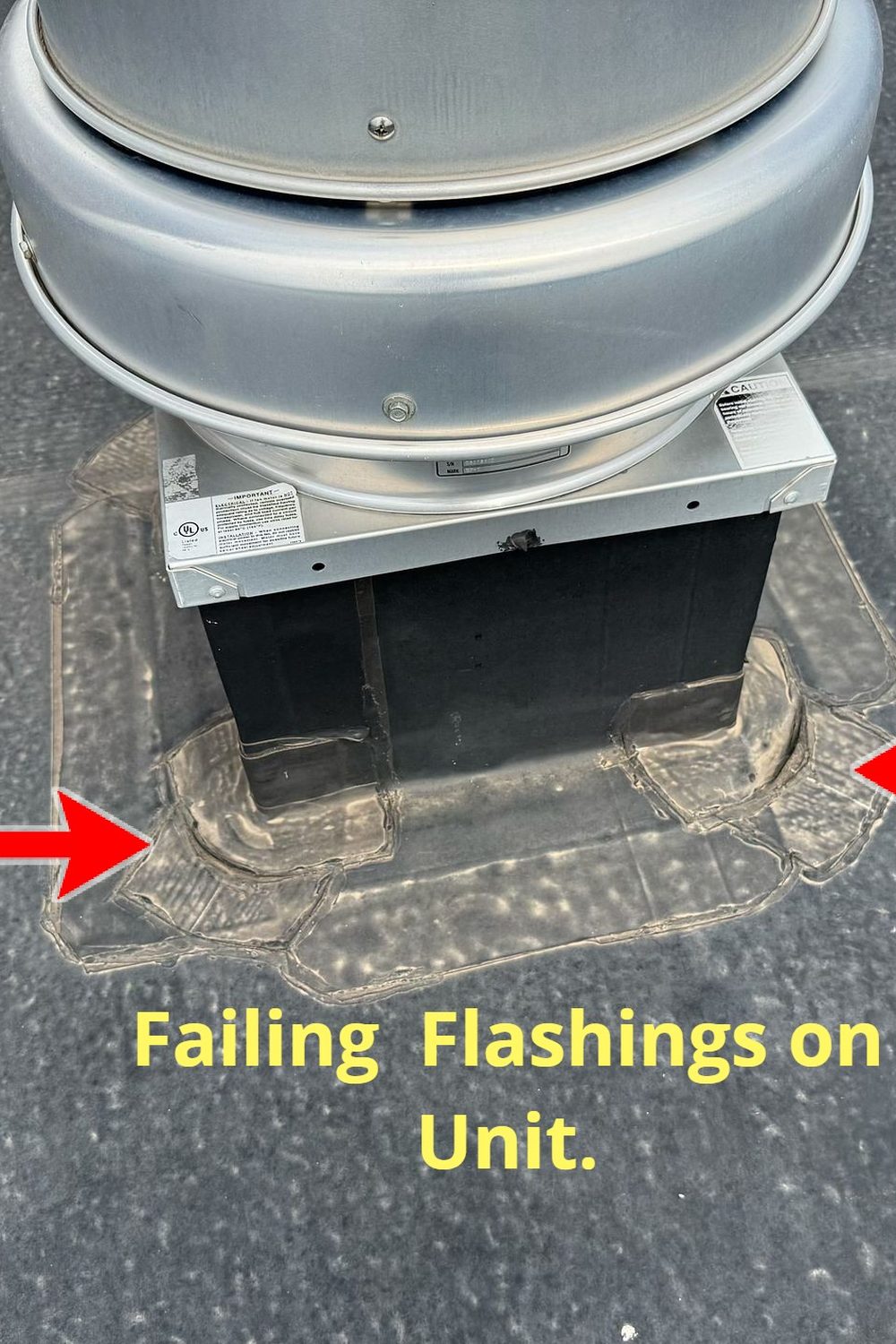
Every roof penetration is inspected individually — HVAC curbs, pipe penetrations, parapet flashings, perimeter terminations, and skylights. Flashings account for the majority of commercial roof leaks; this step is where most failures are first identified.

07

06

05

Written Findings
Report

The inspection concludes with a written findings report delivered once the assessment is complete. The report includes condition summary, prioritized recommendations, photographic evidence, infrared moisture findings where performed, 5–10-year capital planning guidance, and remaining service life estimates.

Photographic
Documentation

Throughout the inspection, every finding is documented with photographs — wide-context shots for location reference, close-up shots for condition evidence, and infrared captures for moisture findings. Documentation isn’t a separate step; it’s continuous throughout the inspection.

Substrate Moisture
Testing (Infrared)

Infrared thermal imaging, utilized where appropriate and where conditions allow, identifies trapped moisture in the insulation layer that is invisible to surface inspection. Saturation patterns and substrate damage are mapped and photographed for the findings report.

INSPECTION PROCESS

The 7-Step Tectum Commercial
Roof Inspection

01

Building & System
Documentation

Inspector arrives on-site with property data already reviewed — building age, roof system, last inspection date, known issues, manufacturer warranty status. Existing documentation is verified and any gaps are flagged before the physical assessment begins.

Arrow Down
02

Membrane Condition
Assessment

The primary roof membrane is inspected for surface condition, weathering, alligatoring, blistering, granule loss, UV degradation, and physical damage. Each finding is logged by location with photographs and condition severity.

Arrow Down
03

Drainage Performance
Analysis

Drains, scuppers, gutters, and slope-to-drain pathways are inspected for blockages, deterioration, and standing water patterns. Ponding water locations are documented — these are early indicators of structural deflection or compromised drainage.

Arrow Down
04

Flashing & Penetration
Inspection

Every roof penetration is inspected individually — HVAC curbs, pipe penetrations, parapet flashings, perimeter terminations, and skylights. Flashings account for the majority of commercial roof leaks; this step is where most failures are first identified.

Arrow Down
05

Substrate Moisture
Assessment

Infrared thermal imaging, utilized where appropriate and where conditions allow, identifies trapped moisture in the insulation layer that is invisible to surface inspection. Saturation patterns and substrate damage are mapped and photographed for the findings report.

Arrow Down
06

Photographic Documentation

Throughout the inspection, every finding is documented with photographs — wide-context shots for location reference, close-up shots for condition evidence, and infrared captures for moisture findings. Documentation isn’t a separate step; it’s continuous throughout the inspection.

Arrow Down
07

Written Findings Report

The inspection concludes with a written findings report delivered once the assessment is complete. The report includes condition summary, prioritized recommendations, photographic evidence, infrared moisture findings where performed, 5-to-10-year capital planning guidance, and remaining service life estimates.
Sample Findings Report

What’s Inside Every Tectum Inspection Report

Every Tectum inspection produces a comprehensive, actionable report. Property managers receive clear documentation of roof conditions, allowing informed decisions for maintenance, budgeting, and capital planning. The report includes high-resolution photographs, moisture analysis, and recommendations prioritized by urgency.

  • Executive Summary
  • Building & System Identification
  • Visual Condition Assessment
  • Infrared Moisture Scan Results
  • Drainage Performance Analysis
  • Flashing & Detail Review
  • Failure Mode Prioritization (Immediate / 6-Month / 12-Month / Monitoring)
  • Recommended Next Steps

Inspection Frequency

How Often Should a Commercial Roof Be
Inspected?

Regular inspections help maintain warranties, prevent unexpected failures, and optimize roof performance. Frequency depends on roof age, condition, and special events like storms or property acquisitions. Use this decision matrix to determine the appropriate inspection schedule for every commercial roof, ensuring accurate planning and risk management.

Building/Roof Condition Suggested Timing Why
Newly installed commercial roof At closeout, then follow the maintenance and warranty schedule Record the starting condition and keep the inspection and maintenance records required for the roof.
Roof in regular service Generally spring and fall; adjust to the roof and manufacturer requirements Check drainage, seams, flashings and damage from weather or rooftop activity.
Aging roof or recurring leaks Set a schedule from inspection findings; review after major storms Condition and repair history help determine whether closer monitoring or additional work is needed.
After hail or severe wind Arrange an inspection promptly when safe; contact your insurer promptly Document observed damage and check the policy requirements. Reporting requirements depend on the policy and applicable rules.
Multiple-property portfolio Coordinate roof-specific schedules through the RAM Program Track inspections and maintenance across the portfolio while keeping each roof's requirements visible.
Before a purchase or bid Inspect during due diligence or scope development Document current conditions before an acquisition decision or roofing proposal.

Systems We Inspect

Every Major Commercial Roofing System

Tectum inspections cover all major commercial roofing systems. Each system is evaluated using manufacturer standards and best practices, ensuring accurate condition assessments and preventative maintenance guidance. Inspectors document findings and provide actionable recommendations for every roofing type.

TPO Roofing

Most common single-ply roofing system. Durable, reflective, and warranty-supported.

Manufacturers: GAF, Versico, Johns Manville, Elevate, Duro-Last, IB Roof Systems

PVC Roofing

High-strength, chemical-resistant roofing ideal for commercial applications.

Manufacturers: Duro-Last, IB Roof Systems, Versico, GAF, Johns Manville, Elevate

EPDM Roofing

Long-life membrane for low-slope roofs with excellent waterproofing.

Featured EPDM brands: Versico, Elevate and Johns Manville.

Metal Roofing

Structural metal panels for roofs with high longevity and minimal maintenance.

Manufacturers: Sheffield Metals, Drexel Metals, Berridge, PAC-CLAD, Western States

Insurance Claim

Does Insurance Cover Commercial Roof Repair?

Tectum works directly with property owners and insurance adjusters to document and verify roof conditions. We clarify what insurance covers—including hail, wind, and impact from documented storm events—and what it does not, such as wear-and-tear or deferred maintenance. Where applicable, Tectum documents conditions and damage so a claim can be reviewed on evidence.

overall roof inspection

Forensic Damage Assessment

with photographic evidence and pre-existing condition baseline

Storm-Event Documentation

with photographic and written documentation where applicable

Haag-Informed Documentation

drawing on Haag-certified training held by Tectum’s founder

Adjuster Coordination

Tectum on-site to review scope with your adjuster

OUR WORK

Selected Tectum Projects

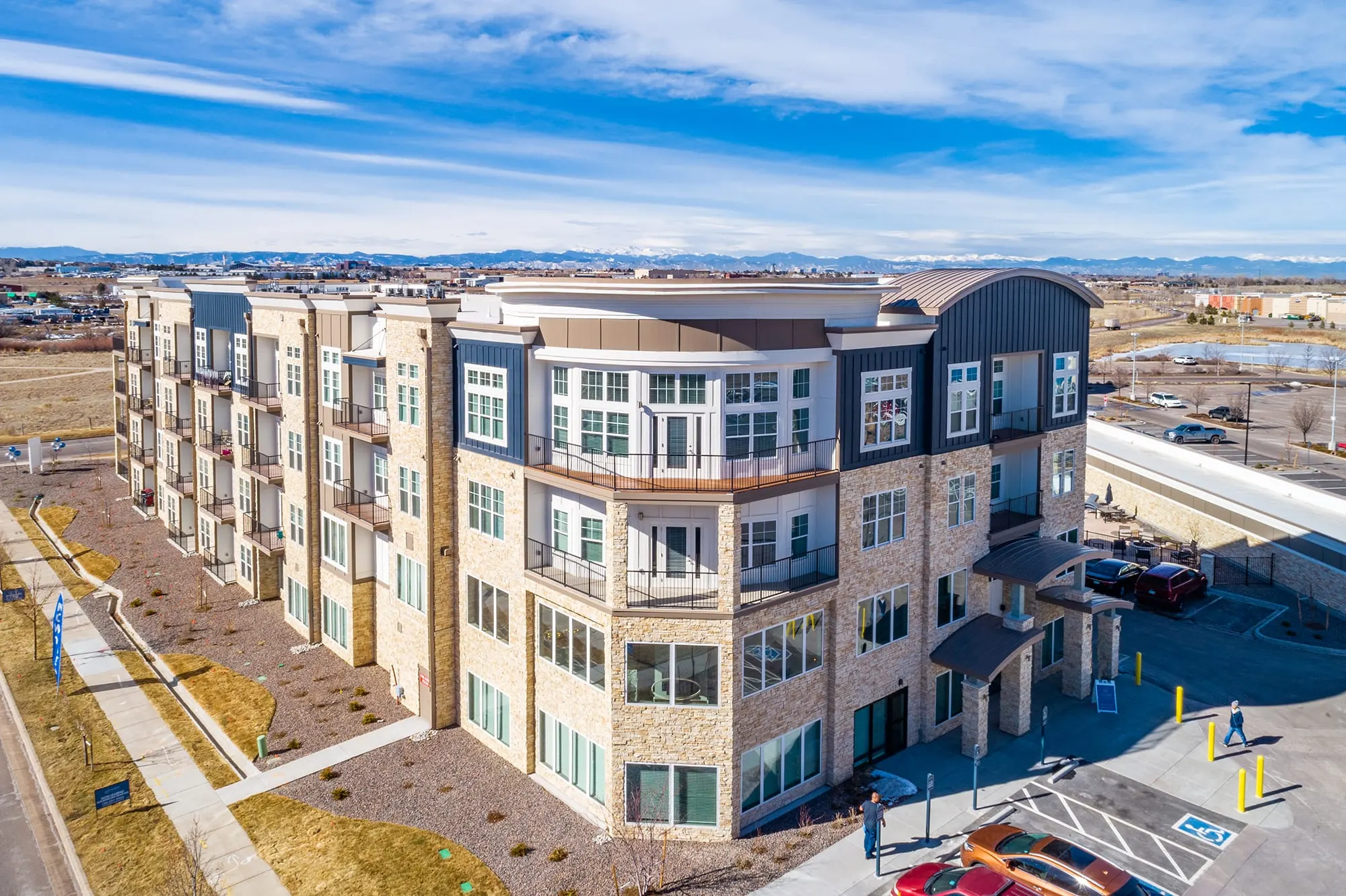
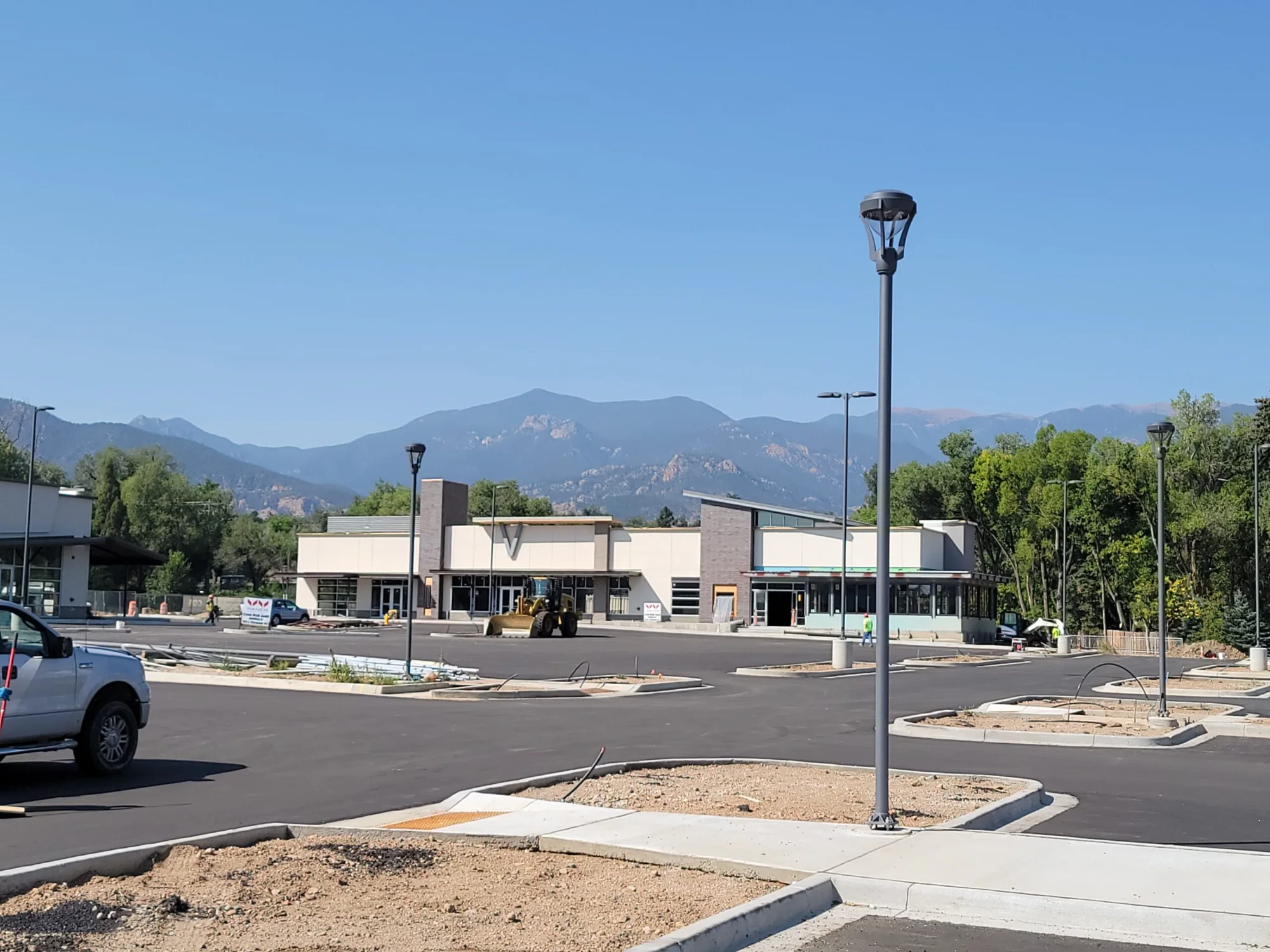
Creekwalk South in Colorado Springs, Colorado — standing seam roofing, paver systems and architectural metal by Tectum Roofing across the 5-building, $1.5M project
STANDING SEAM · PAVER SYSTEMS · ARCHITECTURAL METAL

Creekwalk South

Colorado Springs, CO · 5 Buildings · $1.5M Project

Watch Project Aerial
The Garrett Companies portfolio — aerial view of a multifamily apartment community roofed by Tectum Roofing, part of an 11-project, $9.5M portfolio
MULTI-PROJECT PORTFOLIO

The Garrett Companies Portfolio

11 Projects · $9.5M Portfolio

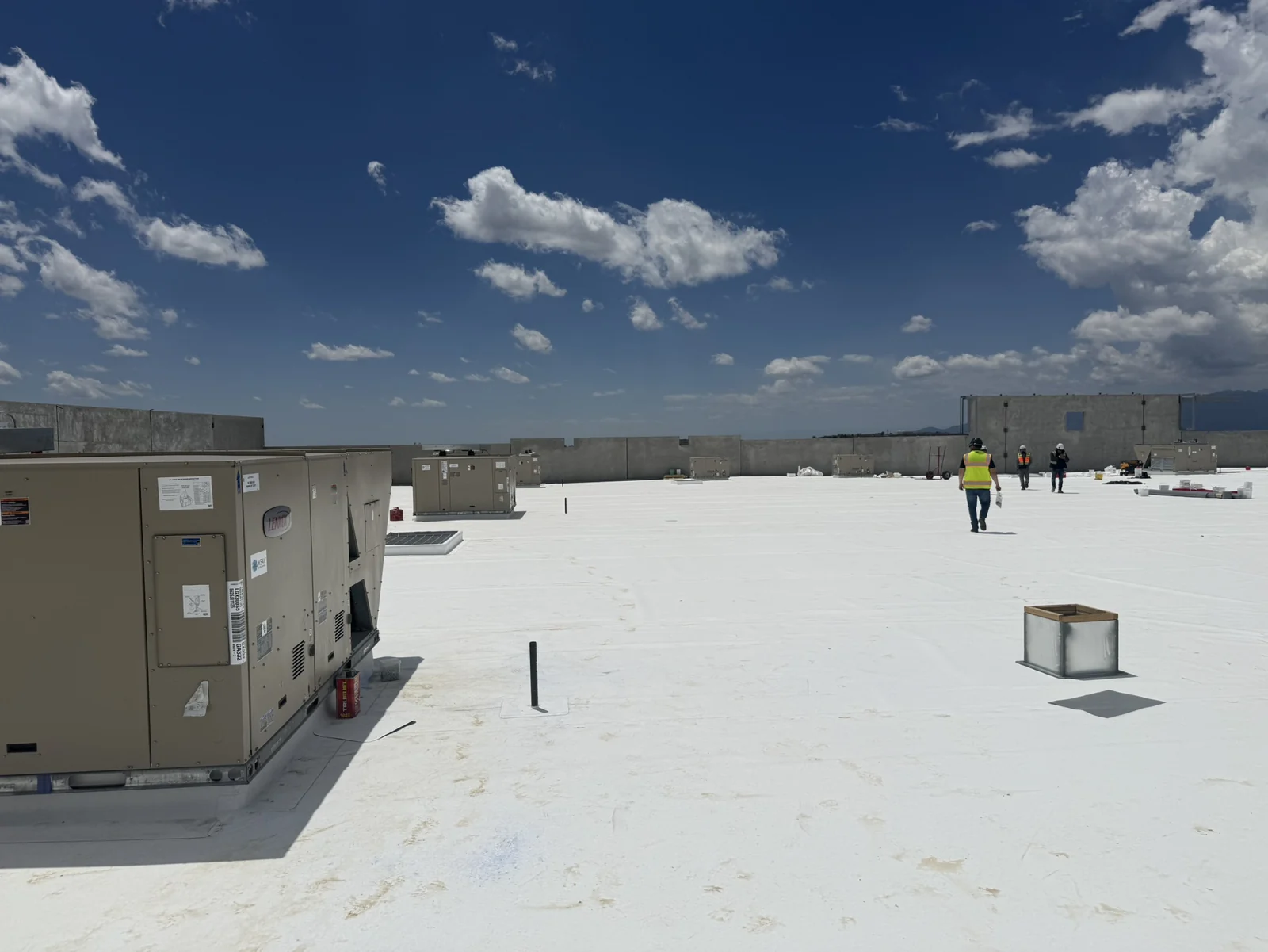
American Furniture Warehouse — commercial TPO roofing and ACM panel project by Tectum Roofing in Colorado
TPO ROOFING + ACM

American Furniture Warehouse

$2M Commercial Project

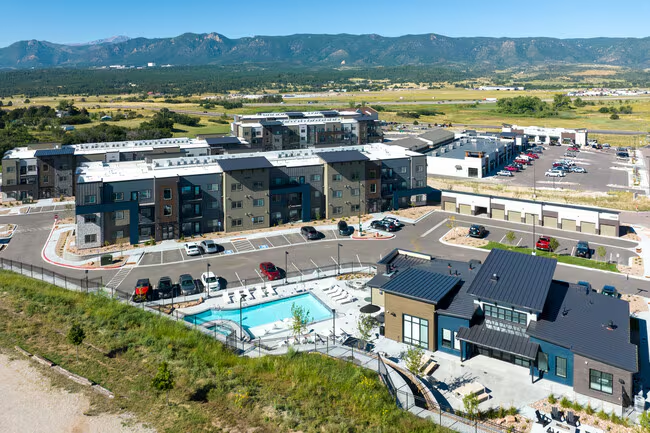
Monument Ridge Apartments in Monument, Colorado — aerial view with standing seam metal roofing, shingles, TPO, custom wall panels and gutters by Tectum Roofing
MULTI-SYSTEM ROOFING + METAL

Monument Ridge Apartments

Monument, CO

FAQ

Commercial Roof Inspection Frequently Asked Questions

The time on the roof depends on roof size, system type, the number of rooftop penetrations and how many buildings are involved. Most single-building inspections are completed in one site visit, with the written report and photographs delivered afterward. Large or multi-building portfolios are scheduled as a series of visits.

A Tectum inspection documents membrane condition, seams, flashings, penetrations, drainage, edge metal and rooftop equipment curbs, with photographs of every finding. Infrared moisture scanning is utilized where appropriate and where conditions allow, and the results are delivered in a written report with a condition grade and recommended actions. The report is yours to keep whether or not you hire Tectum for the work.

Infrared moisture scanning uses a thermal camera to detect temperature differences caused by wet insulation beneath the membrane — moisture a visual inspection cannot see. Locating trapped moisture matters because saturated insulation loses R-value, corrodes fasteners and decks, and determines whether a roof can be repaired or must be replaced. Tectum utilizes infrared scanning where appropriate and where roof and weather conditions allow.

The report is a written document with photographs of every finding, a roof plan noting where each condition was observed, an A–F condition grade, and prioritized recommendations for repair, maintenance or replacement. It is formatted for handoff to ownership, property managers, adjusters and consultants.

Most manufacturers and roofing associations recommend inspecting a commercial roof twice a year — typically spring and fall — plus after any significant hail or wind event. Regular inspections catch small failures at seams, flashings and drains before they become interior leaks. Tectum’s RAM Program includes two documented inspections per year at every tier.

Tectum provides commercial roof inspections across Colorado Springs, Pueblo, Castle Rock, Parker and Denver and the surrounding Front Range from its Colorado Springs headquarters. Tectum is licensed in all of its service areas. If your building is outside these cities, contact us — many Colorado projects are within reach.

Haag Certified Inspector is a credential earned through Haag’s training program in roof damage assessment and inspection methodology. Sean Moriarty, Tectum’s founder, holds this credential personally, and Tectum’s inspection process draws on that training. It is one of the reasons Tectum’s reports are written to be defensible with owners, adjusters and consultants — not sales documents.

RELATED SERVICES

Related Commercial Roofing Services

Explore related commercial roofing services that complement inspection — including repair, replacement, asset management, and emergency response. These services help property teams turn inspection findings into action.

Don't guess. Get a documented commercial roof inspection.

Every Tectum commercial roof inspection produces a written findings report with photographic evidence — delivered before any scope discussion or pricing conversation. The report is the deliverable. The diagnosis decides the next step.