COMMERCIAL ROOFING BY INDUSTRY
Commercial Roofing — Specialized for Every Industry
Industrial facilities, warehouses, multi-family properties, healthcare buildings, schools, and retail centers all have different roofing requirements. Tectum specifies and installs commercial roof systems engineered for each industry’s specific exposure profile, downtime sensitivity, and capital horizon. Serving Colorado Springs, Pueblo, Castle Rock, Parker, and Denver.
Home > Industries
WHY INDUSTRY-SPECIFIC ROOFING MATTERS
A Warehouse Roof Isn't a Healthcare Roof. A Multi-Family Roof Isn't a Restaurant Roof.
Most commercial roofing contractors treat every building as a generic commercial structure. The result is misspecified systems — TPO bid on chemical-exposure industrial buildings, ballasted EPDM bid where structural capacity doesn’t support it, and architectural metal bid where the ownership horizon doesn’t justify the capital. Each industry has specific roofing requirements that determine the right specification.
Tectum specifies by industry vertical because the differences are material. Industrial facilities deal with chemical and grease exposure that destroys some membranes within years. Warehouses deal with downtime sensitivity that forces phased installation. Multi-family properties deal with HOA governance that requires capital reserve alignment. Healthcare deals with fire code compliance that mandates Class A systems. The right roof depends on the building, the industry, and the operational profile.
FEATURED INDUSTRIES
Three Commercial Industries Tectum
Specializes In
Three industries where Tectum has the deepest project experience. Click any industry for exposures, systems and Front Range considerations.
Industrial
PVC, TPO and metal systems specified for chemical exposure, rooftop equipment loads and operations that cannot shut down for roofing work.
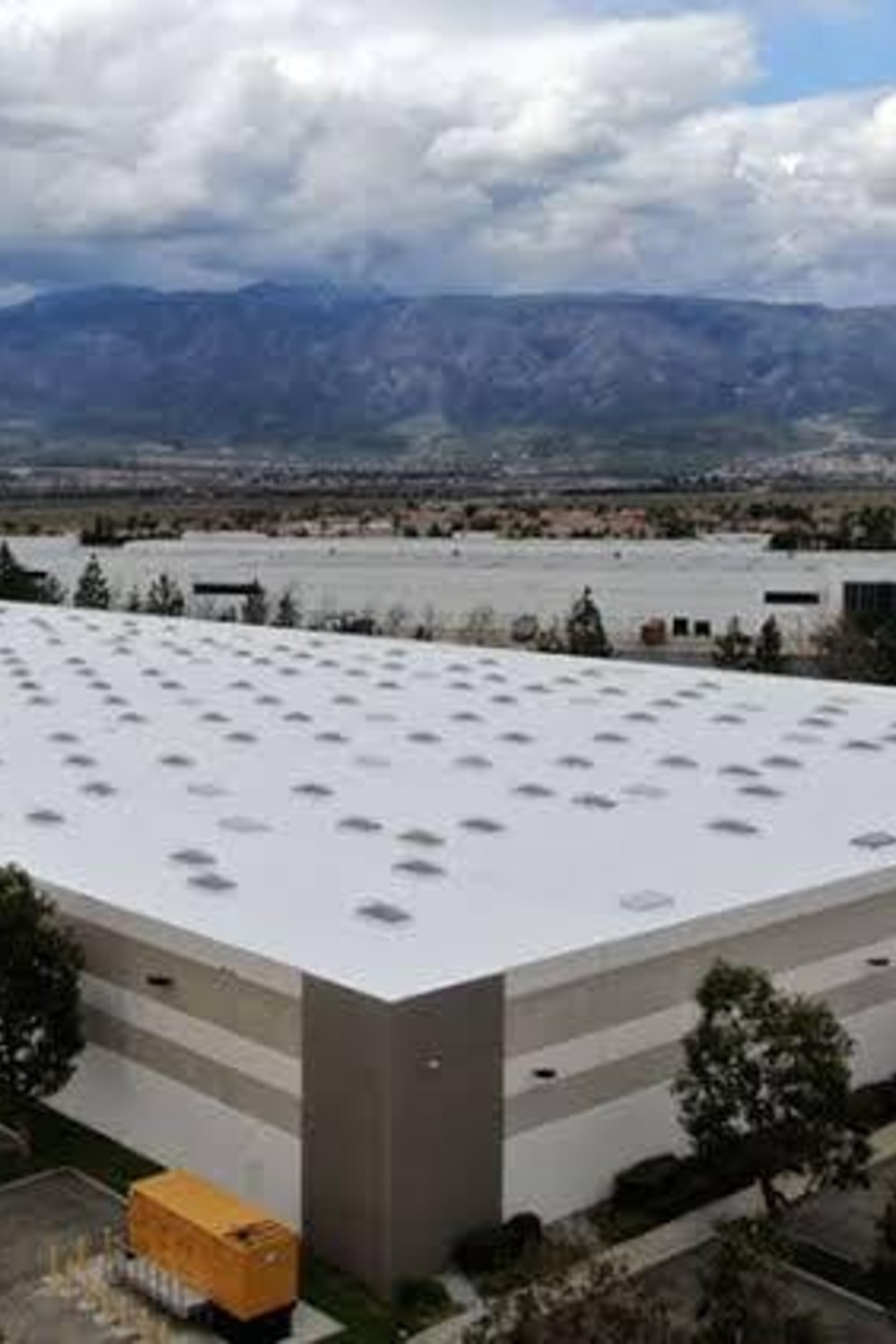
Warehouse Distribution
Wide-span low-slope roofing phased around dock operations, with systems chosen for cost efficiency, energy performance and long service.
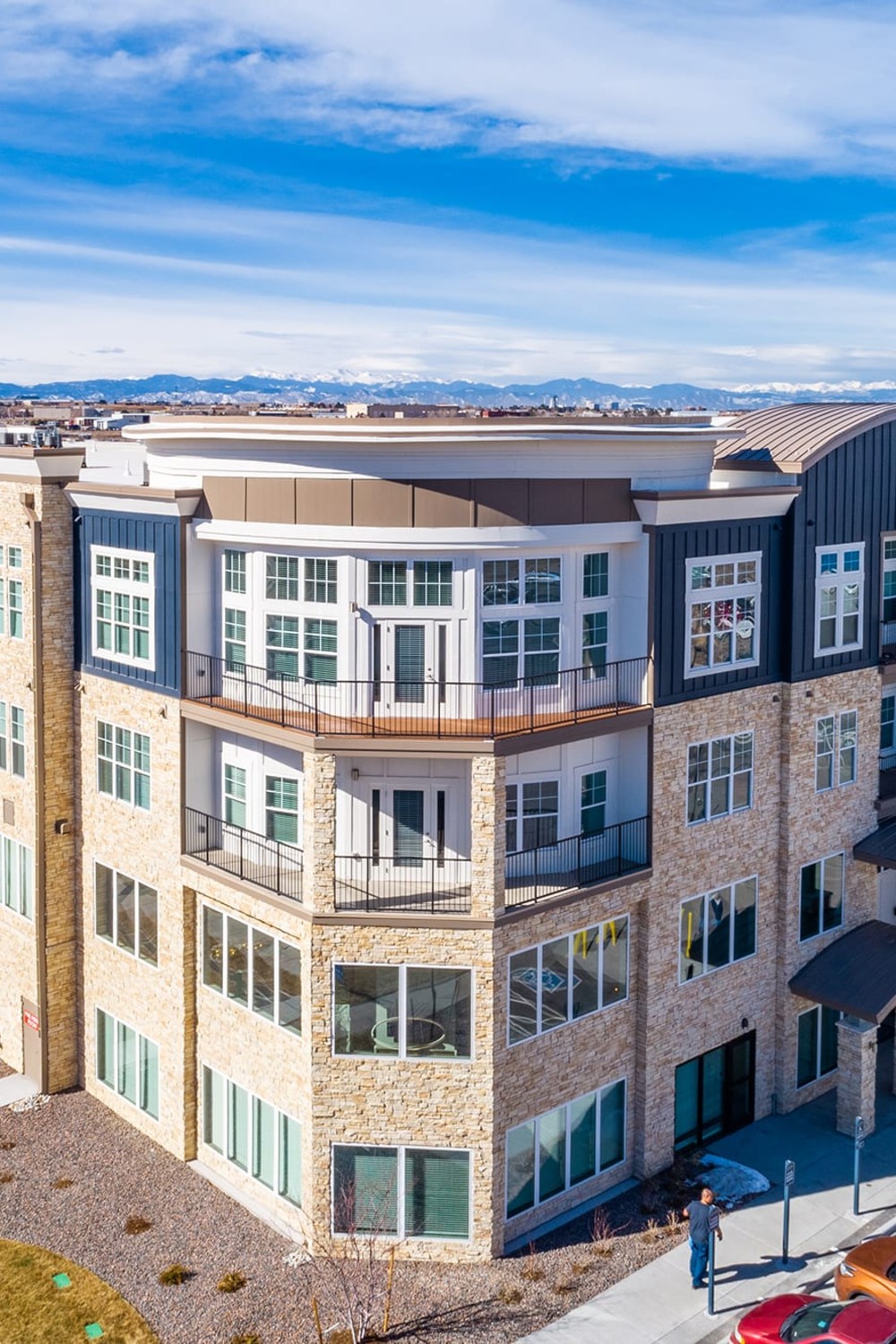
Multi-Family
Roofing for apartment and HOA communities: phased scheduling, resident communication and reporting written for boards and property managers.
ADDITIONAL INDUSTRIES SERVED
Four More Commercial Industries Tectum
Serves
Tectum’s commercial roofing capabilities extend beyond the three featured industries. Request an inspection for any of these building types today.
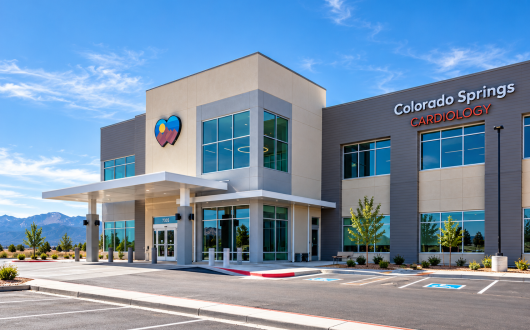
Healthcare
Hospitals, medical office buildings, long-term care, and outpatient facilities. PVC dominates healthcare specification because of its fire-rated assembly options, chemical resistance and long service record.
Retail
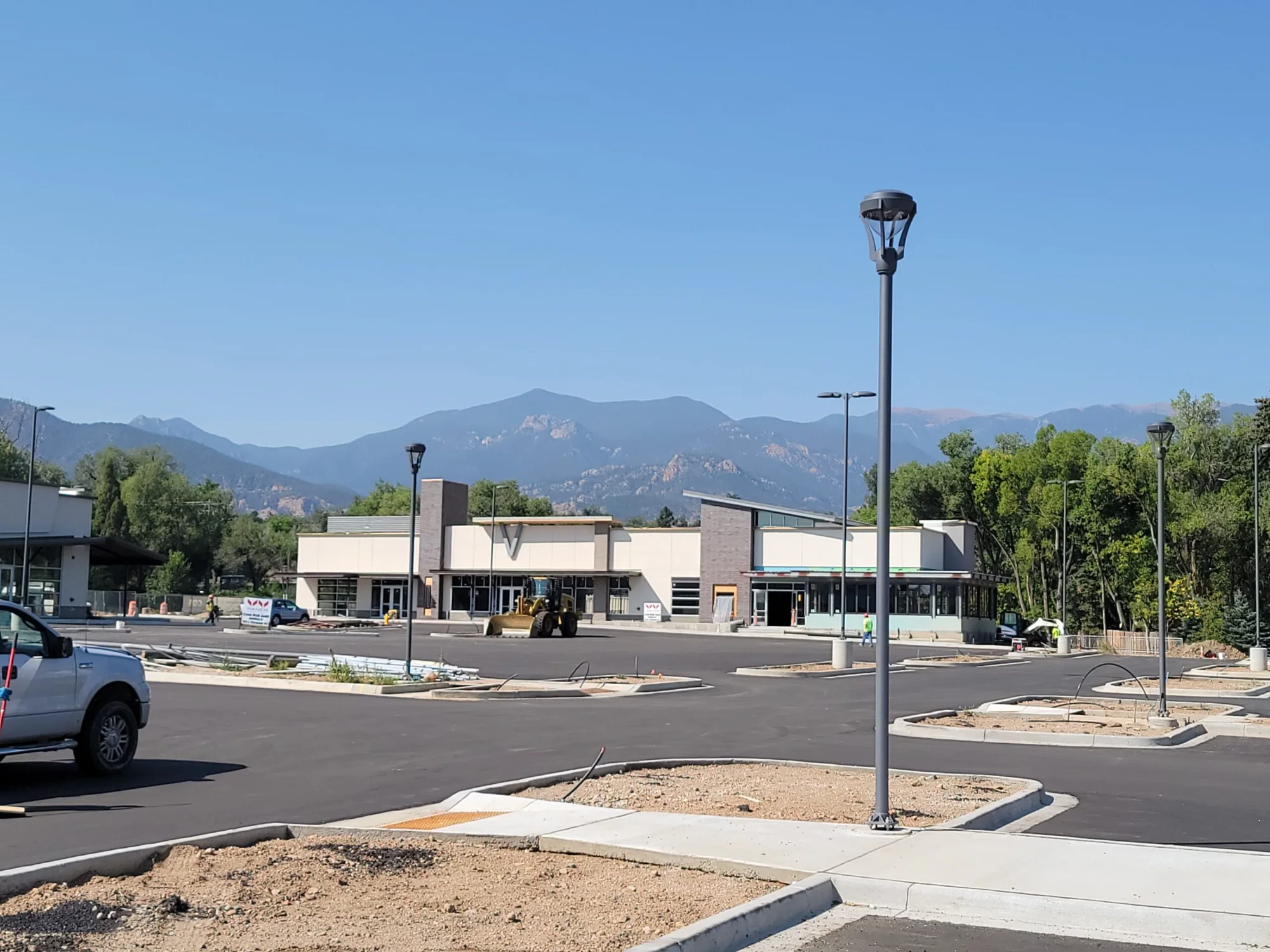
Shopping centers, strip retail, big box, and standalone retail buildings. Tenant turnover, signage penetrations, and HVAC equipment loads drive specification decisions on retail roofs.
Education
K-12 schools, charter schools, college and university facilities. Summer-only execution windows, budget approval cycles, and Class A fire code requirements drive education roofing specifications.
Office
Class A and Class B office buildings, mixed-use commercial, and professional service facilities. Tenant occupancy, mechanical equipment loads, and architectural intent shape office building specifications.
SYSTEM SELECTION BY INDUSTRY
Which Roof Systems Fit Which Industries
The matrix below shows Tectum’s recommended primary and secondary system specifications by industry vertical. Final specification depends on building-specific assessment — exposure profile, capital horizon, structural capacity, and operational requirements.
| Industry | Primary System | Secondary System | Avoid |
|---|---|---|---|
| Industrial / Manufacturing | PVC (chemical exposure) | Metal | Under-specified single-ply |
| Warehouse & Distribution | TPO | EPDM (ballasted on capable decks) | Under-specified single-ply |
| Multi-Family | EPDM | TPO | Ballasted on light decks |
| Healthcare | PVC (fire-rated assemblies available) | Standing seam metal | EPDM (fire performance gap) |
| Retail | TPO | PVC (restaurant tenants) | Generic membrane without penetration scope review |
| Education (K-12 / Higher Ed) | TPO or PVC | Standing seam metal | Assemblies that do not meet the district's fire requirements |
| Office | TPO | Architectural metal panels | Generic single-ply on architecturally visible roofs |
INDUSTRY-SPECIFIC SPECIFICATION
How Tectum Specifies Roofing for Industry-Specific Requirements
Tectum’s specification methodology adds industry-specific evaluation layers to the standard building assessment. Each industry has unique exposure profiles, regulatory requirements, and operational constraints that drive system selection decisions.
01
02
03
04
Industry Exposure
Profile
What does this building actually experience? Industrial chemical exposure, restaurant kitchen exhaust, warehouse traffic and pallet loads, multi-family resident foot traffic, healthcare facility cleanliness requirements. Documented exposure profile drives membrane chemistry selection — the foundation of every system decision.
Operational
Continuity
Requirements
How disruptive can roofing work be? Warehouse and distribution operate around-the-clock — work must be phased to maintain dock operations. Healthcare facilities can't shut down for roofing. Multi-family roofs require resident notification protocols. Each industry's downtime tolerance shapes phasing, crew planning, and execution methodology.
Regulatory & Code
Compliance
What does the code require? Healthcare and education facilities mandate Class A fire performance. Industrial buildings may carry insurance carrier specifications. Multi-family HOA requirements drive capital reserve alignment. Specification has to match the regulatory environment — not just the building physics.
Capital Horizon &
Ownership Profile
Who owns the building and how long are they keeping it? Industrial owners often run multi-decade holds. Multi-family REITs run 7-10 year cycles. Healthcare facilities are typically multi-decade. Retail tenants may have shorter horizons than landlords. Specification must align with the ownership horizon — not just the building's physical life.

Four More Commercial Industries Tectum Serves
Industry Exposure Profile
What does this building actually experience? Industrial chemical exposure, restaurant kitchen exhaust, warehouse traffic and pallet loads, multi-family resident foot traffic, healthcare facility cleanliness requirements. Documented exposure profile drives membrane chemistry selection — the foundation of every system decision.
Operational Continuity Requirements
How disruptive can roofing work be? Warehouse and distribution operate around-the-clock — work must be phased to maintain dock operations. Healthcare facilities can't shut down for roofing. Multi-family roofs require resident notification protocols. Each industry's downtime tolerance shapes phasing, crew planning, and execution methodology.
Regulatory & Code Compliance
What does the code require? Healthcare and education facilities mandate Class A fire performance. Industrial buildings may carry insurance carrier specifications. Multi-family HOA requirements drive capital reserve alignment. Specification has to match the regulatory environment — not just the building physics.
Capital Horizon & Ownership Profile
Who owns the building and how long are they keeping it? Industrial owners often run multi-decade holds. Multi-family REITs run 7-10 year cycles. Healthcare facilities are typically multi-decade. Retail tenants may have shorter horizons than landlords. Specification must align with the ownership horizon — not just the building's physical life.
WHY TECTUM
Why Property Managers Trust Tectum Across
Multiple Industry Verticals
Industry-Specific
Project Experience
Commercial reroofing experience across multi-family, retail and commercial properties, industrial and warehouse facilities, and medical and healthcare buildings — with specifications written for each building type’s exposures and operating constraints.
Specification
Methodology
Industry exposure profile → operational continuity → regulatory compliance → capital horizon. Tectum’s 4-layer specification methodology ensures the recommendation matches the building, the industry, and the ownership profile — not a generic commercial template.
Manufacturer-
Agnostic Certification
Tectum is a certified/approved contractor with GAF, Elevate, Duro-Last, IB Roof Systems, Versico and Johns Manville. Tectum works with Sheffield Metals, Drexel Metals, Berridge, PAC-CLAD, Alucobond and Western States. That breadth means we can specify what each industry actually needs — not pitch the one system we’re locked into.
In-House Metal
Fabrication
Full in-house metal fabrication shop with New Tech SSQ II roll formers and CIDAN folders and shears. For industries that require custom flashings, copper details, or architectural metal panels (healthcare, retail, education, office), Tectum manufactures the metal in-house instead of waiting on supplier lead times.
01. Does Tectum specialize in specific industries?
Tectum’s commercial roofing work spans industrial and manufacturing facilities, warehouses and distribution centers, multi-family communities, healthcare, education, retail and office buildings. The systems and details differ by building type, so each specification is written for the industry’s exposures, operating constraints and compliance requirements.
02. Why does industry matter for commercial roofing?
Industry determines the exposures and constraints the roof has to handle: chemical and grease exhaust in industrial and food facilities, resident occupancy in multi-family, code and fire requirements in healthcare and education, and dock operations in distribution. Matching the system and the project plan to those realities is what keeps the roof performing and the building operating.
03. Does Tectum work on industrial buildings with chemical exposure?
Yes. Chemical fumes, grease and process exhaust degrade many membranes, so Tectum typically specifies PVC or a metal system for those exposures and details the assembly around vents and process equipment. The specification is confirmed against manufacturer requirements so warranty coverage is preserved.
04. What's the most common multi-family roofing system?
Low-slope multi-family buildings are most often roofed with EPDM or TPO, with standing seam metal and shingles on steep-slope buildings. System choice depends on the building’s roof slope, budget, energy goals and the community’s capital plan, and multi-building communities often standardize on one system for easier long-term management.
05. Does Tectum understand HOA and property management governance?
Yes. Tectum works with HOA boards, property managers and ownership groups, and understands that roofing decisions run through board approval, reserve studies and resident communication. Proposals are written to support that process with documented inspections, photographs and clear scope so the board can make an informed decision.
06. What areas does Tectum serve for industry-specific roofing?
Tectum provides industry-specific commercial roofing across Colorado Springs, Pueblo, Castle Rock, Parker and Denver and the surrounding Front Range from its Colorado Springs headquarters. Tectum is licensed in all of its service areas. If your building is outside these cities, contact us — many Colorado projects are within reach.
Your industry has specific roofing requirements.
Every Tectum engagement begins with a documented inspection and an industry-specific system recommendation — matched to your building’s exposure profile, regulatory environment, and capital plan.
Phone
(719) 455-7663