
PVC ROOFING SYSTEMS
PVC Roofing Systems for Demanding Commercial Buildings
Tectum Roofing helps commercial property teams evaluate PVC roof repairs, maintenance and replacement. We review the building, rooftop equipment and operating needs before developing a scope. Serving Colorado Springs, Pueblo, Castle Rock, Parker and Denver.
Home > Systems > PVC Roofing
OVERVIEW
What Is PVC Roofing?
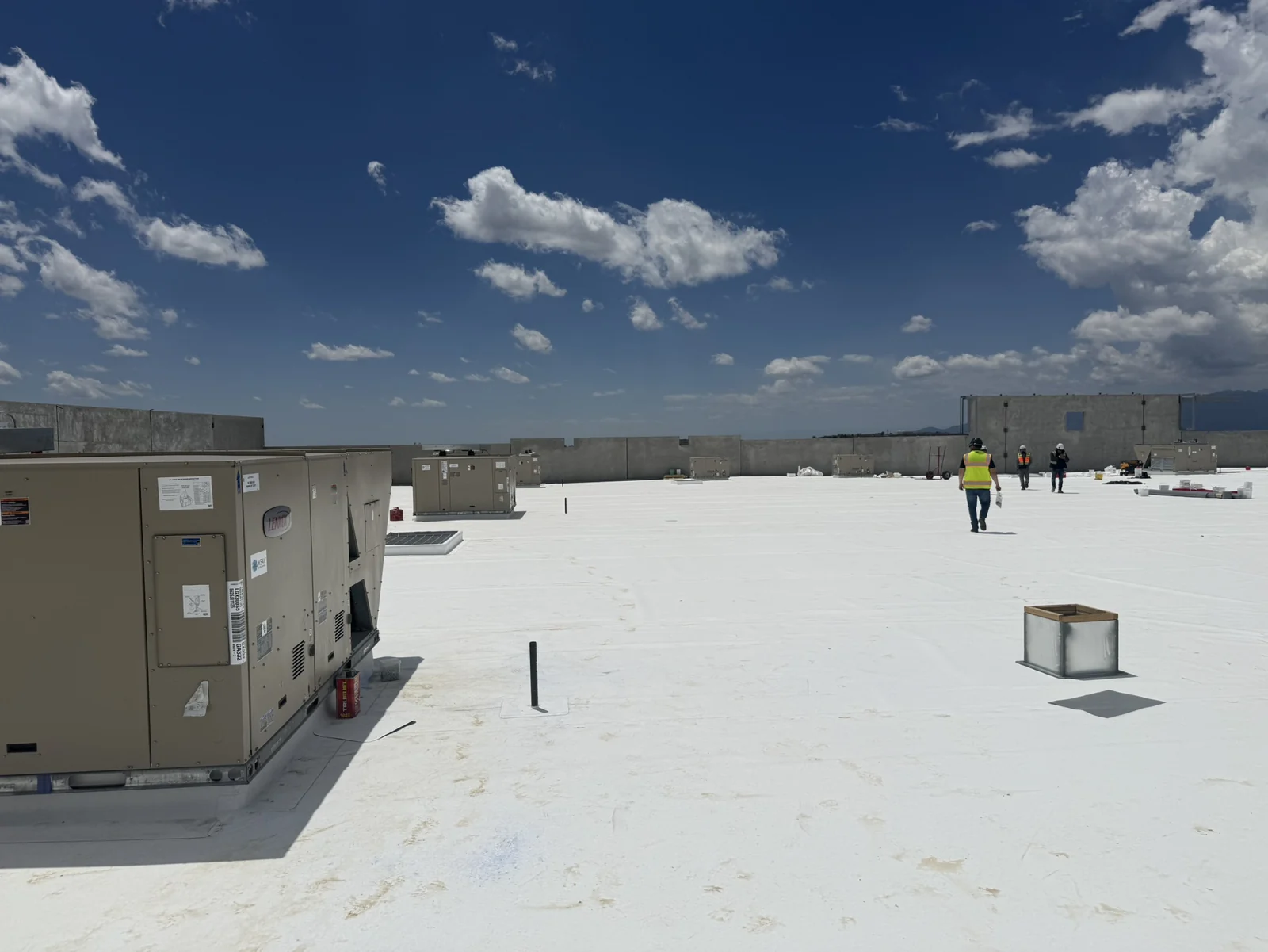
PVC (polyvinyl chloride) is a thermoplastic single-ply roofing membrane with heat-welded seams. Reinforced PVC products are available in different thicknesses, colors and formulations, including some with KEE modifiers. The selected product and complete assembly determine the relevant performance ratings.
PVC can be worth considering where roof exposure includes kitchen exhaust or industrial operations. Review the specific substances, concentrations and manufacturer guidance; chemical resistance does not automatically mean warranty coverage.
Industrial Property Managers
Document rooftop chemicals, process exhaust and equipment access needs. Compare product compatibility and the complete assembly before selecting a roof system.
Restaurant & Hospitality Owners
Review kitchen exhaust, grease containment and cleaning needs with the roofing scope. Confirm product-specific compatibility and written warranty exclusions.
Healthcare Facility Managers
Coordinate roof work with facility access, rooftop equipment and operational needs. Confirm the required fire-rated assembly and maintenance responsibilities.
Commercial Property Owners (Long Hold)
For owners planning a long hold, we compare installation cost, maintenance needs, warranty terms and replacement options over the intended ownership period. PVC may be a suitable option when its specified performance matches the building’s needs.
PVC AT A GLANCE
PVC System Specifications
| Specification | Detail |
|---|---|
| Membrane thickness | Specified per project for service life and Front Range conditions |
| Product thickness examples | 50-, 60- and 80-mil examples; confirm the selected product data sheet |
| Installation methods | Mechanically attached, adhered or induction welded where the selected system allows |
| Slope and drainage | Low-slope applications; confirm drainage, applicable code and manufacturer requirements |
| Fire rating | Class A assemblies available when specified and when the assembly qualifies |
| Chemical resistance | Product- and exposure-specific; review compatibility guidance and warranty exclusions |
| Wind uplift performance | Attachment designed to the project's wind requirements; can meet applicable FM requirements when specified |
| Service-life planning | Depends on the assembly, installation, exposure and maintenance; inspect condition for planning |
| Warranty options | Project-specific written terms; confirm product, assembly and contractor eligibility |
| Material composition | Reinforced PVC with formulation and reinforcement varying by product |
| Reflectivity (cool roof) | Solar reflectance and SRI are different measurements; use current ratings for the selected product |
KEY BENEFITS
What to Consider When Choosing PVC
Product-Specific Chemical Resistance
Some PVC products offer useful resistance to certain greases and chemicals. Compatibility depends on the product and the actual exposure. Share exhaust, cleaning agents and process information so the proposed system can be checked against manufacturer guidance. Routine containment and cleaning still matter.
Class A Fire-Rated Assemblies When Specified
Fire classifications apply to tested roof assemblies, not just the membrane name. Confirm the deck, insulation, cover board, attachment and other components against the required assembly listing. Tectum develops the roof scope around the project requirements.
Plan Around Roof Condition
Service life varies with the complete assembly, installation, weather, rooftop use and maintenance. Use roof-condition findings and maintenance records to plan repairs and future replacement. A membrane type alone cannot establish a fixed lifespan or guarantee fewer replacements.
Written Manufacturer Warranty Options
Warranty availability and coverage depend on the selected product, assembly, contractor eligibility and project. Compare written terms, exclusions and maintenance responsibilities with the proposal. Chemical resistance and chemical-damage coverage are separate questions.
SYSTEM SELECTION
Match the Roof System to the Building
TPO and PVC can both be suitable for commercial low-slope roofs. We compare the building’s use, existing roof, drainage, rooftop exposure and manufacturer requirements before recommending a system.
For repair or replacement planning, share leak history, roof age if known, drawings and equipment changes. An inspection helps identify repairable details, wet or deteriorated materials and the information needed for a written scope.

| Building Profile | What to Evaluate |
|---|---|
| Office, retail or warehouse | Compare suitable PVC and TPO assemblies, drainage, maintenance needs and written costs. |
| Industrial / manufacturing | Identify process emissions, chemical exposure and equipment access; check product compatibility. |
| Restaurant / food service | Review exhaust deposits, containment and cleaning requirements with the selected manufacturer. |
| Healthcare facility | Coordinate roof access, operational constraints and the required tested fire-rated assembly. |
| Chemical exposure / fume venting | Confirm the substances and exposure conditions; compatibility does not guarantee warranty coverage. |
| Long-term ownership | Compare repairability, maintenance responsibilities, current condition and replacement planning. |

INSTALLATION METHODS
Three Methods to Install PVC
Mechanically Fastened
Specified fasteners and plates secure the membrane as part of an approved assembly. The deck, attachment pattern and roof zones must suit the project’s requirements. Review access, sequencing and the selected manufacturer’s details before choosing the method.
Fully Adhered
Adhered systems bond the membrane to an approved substrate with compatible adhesive. Substrate preparation and application conditions affect the result. Wind performance depends on the complete tested assembly rather than the method’s name alone.
RhinoBond Induction Welded
Induction-welded systems, such as RhinoBond where approved, bond compatible PVC membrane to specially coated plates. Fasteners secure the plates through the roof components to the deck. Membrane compatibility, plate layout and tested assembly requirements must be confirmed.
PVC MANUFACTURER OPTIONS
Compare PVC Product Families
The manufacturers below offer PVC roofing products to discuss during project planning. Select the product family for the building’s exposure, assembly requirements and availability. Confirm current contractor eligibility and the exact manufacturer warranty in the written proposal.
Elevate
PVC product manufacturer
Elevate PVC
Single-ply PVC membrane
Versico
PVC product manufacturer
Versico PVC
Single-ply PVC membrane
IB Roof Systems
PVC product manufacturer
IB Roof Systems PVC
Single-ply PVC membrane
Duro-Last
PVC product manufacturer
Duro-Last PVC
Prefabricated PVC membrane
GAF
Gold Elite Commercial Contractor
EverGuard PVC
Single-ply PVC membrane
Johns Manville
PVC product manufacturer
Johns Manville PVC
Single-ply PVC membrane
01. When should I specify PVC instead of TPO?
Compare specific PVC and TPO products against the building’s use, rooftop exposure, assembly requirements and written warranty terms. PVC may be worth evaluating around kitchen exhaust or industrial processes, but the actual substances and manufacturer compatibility guidance matter more than a blanket material preference.
02. How long does PVC roofing last in Colorado?
There is no fixed lifespan for every PVC roof. Installation, the complete assembly, weather exposure, rooftop traffic and maintenance affect service life. Condition findings and roof records help plan repairs and replacement. Warranty duration is not a prediction of how long the roof will last.
03. Is PVC a suitable roof for a restaurant?
Some PVC products offer resistance to certain grease and chemical exposures associated with food service. That does not make every PVC roof suitable for every exhaust condition, or every TPO roof unsuitable. Confirm the selected product’s compatibility, containment and cleaning requirements, and written warranty exclusions.
04. How do PVC and TPO roofing costs compare?
The cost difference depends on the products, insulation, attachment, existing roof, access, disposal and project scope. Request comparable written proposals for systems that suit the building. An inspection helps establish the scope before a reliable project price can be prepared.
05. What manufacturer PVC does Tectum install?
Product options to discuss include PVC systems from Duro-Last, IB Roof Systems, Versico, GAF, Johns Manville and Elevate. Product availability, suitability and current contractor eligibility for a proposed manufacturer warranty should be confirmed with the written project proposal.
06. What areas does Tectum serve for PVC roofing?
Tectum serves commercial properties in Colorado Springs, Pueblo, Castle Rock, Parker and Denver. Share your property address so we can confirm service availability, access and project requirements.
07. Which PVC manufacturer does Tectum primarily install?
There is no single default product for every property. Compare the roof assembly, exposure, availability, installation details and written warranty options. The proposal should identify the chosen product and explain how it fits the building.
08. Can a PVC roof be repaired or restored instead of replaced?
Localized seam, flashing or penetration problems may be repairable if the surrounding membrane and assembly are suitable. Wet materials, widespread deterioration or recurring leaks need further investigation. Coating or restoration requires product compatibility and manufacturer approval. Start with an inspection to determine a practical scope.
RELATED SERVICES
Related Commercial Roofing Services
TPO Roofing
Heat-welded white single-ply membrane specified by thickness and attachment for Front Range hail, UV and wind exposure.
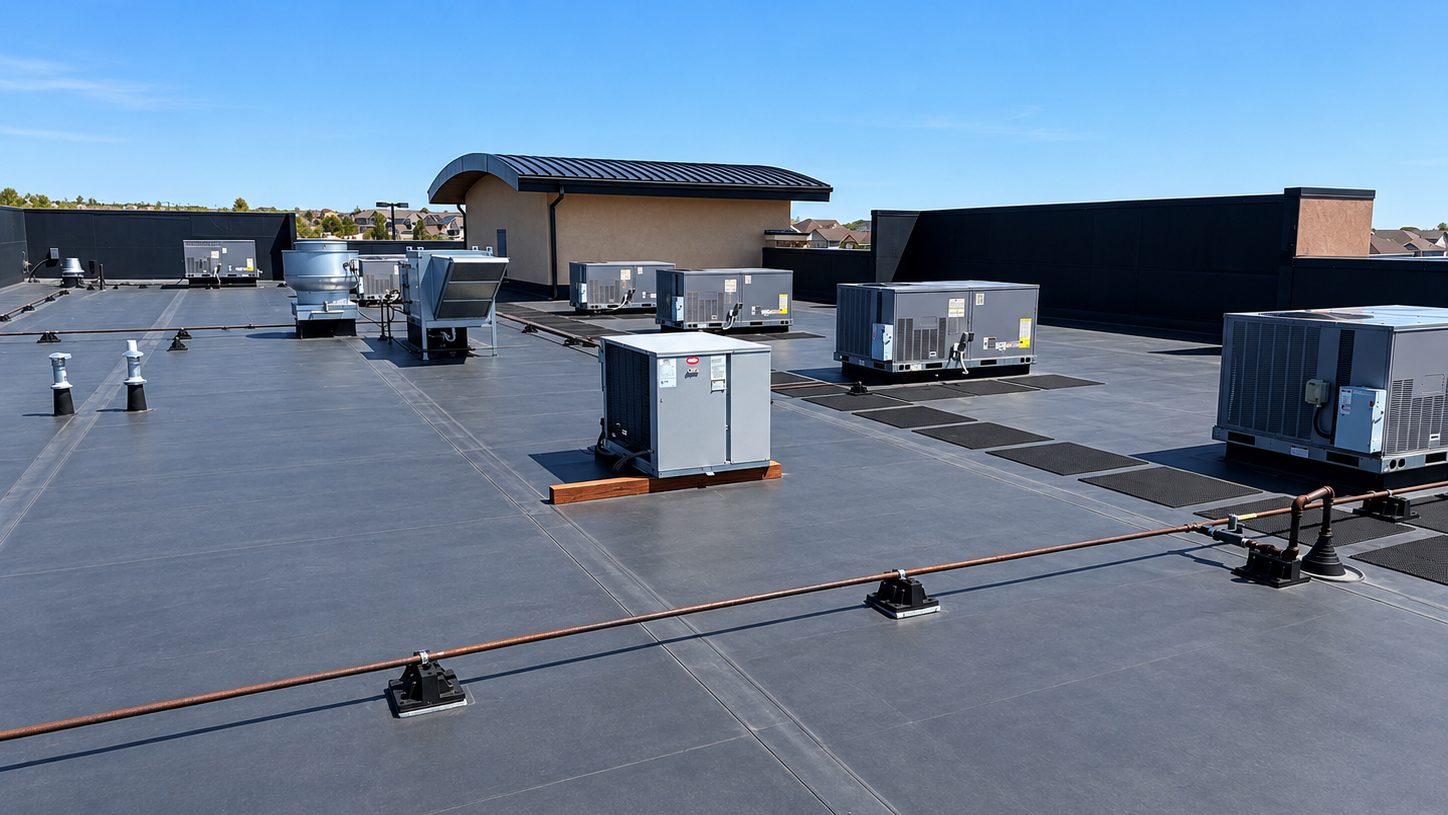
EPDM Roofing
Proven synthetic-rubber membrane for multi-family, warehouse and cold-climate roofs, installed adhered, fastened or ballasted.
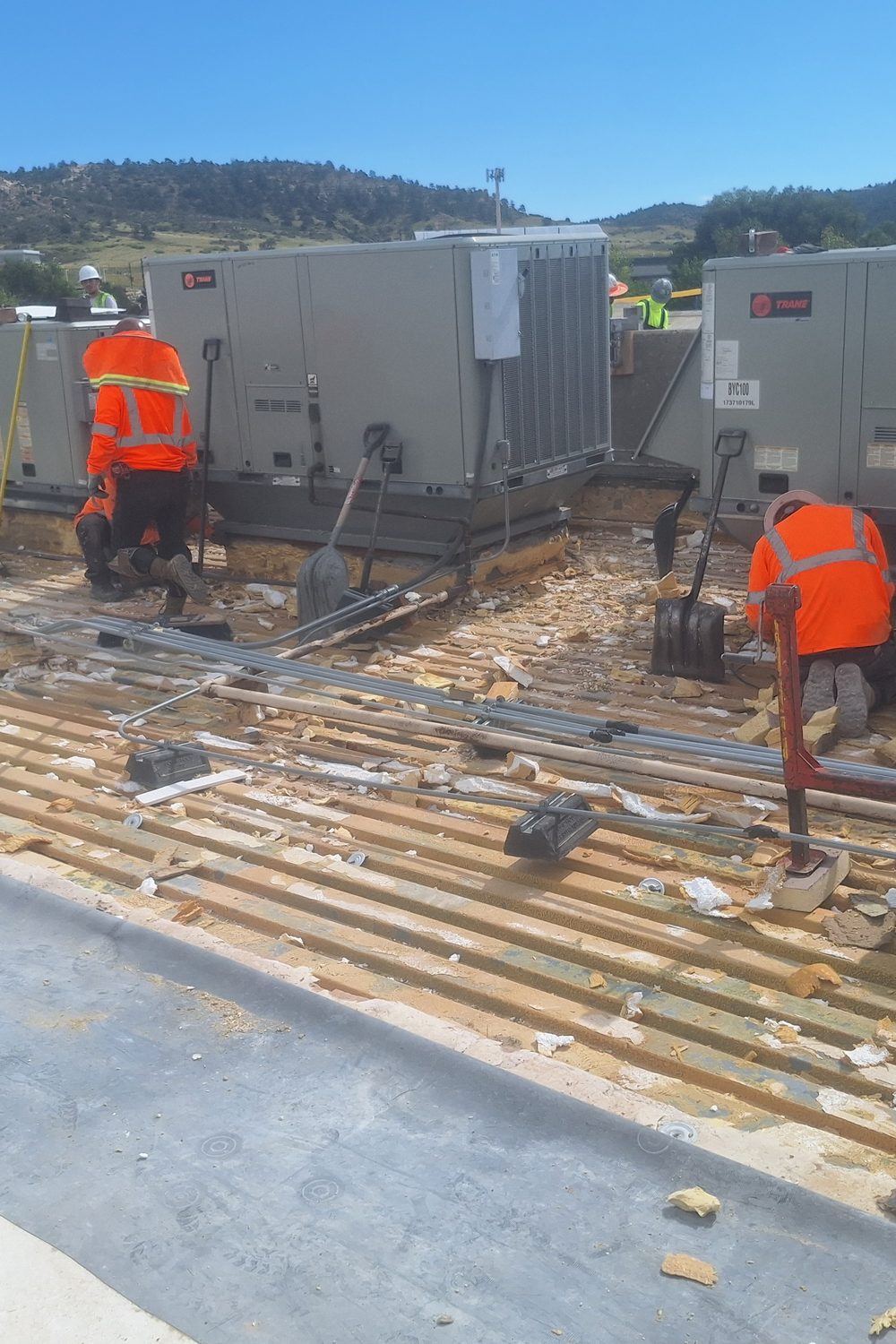
Roof Replacement
Options-based replacement of TPO, PVC, EPDM, built-up and metal roofs, phased around your operations and registered for manufacturer warranty where the project qualifies.
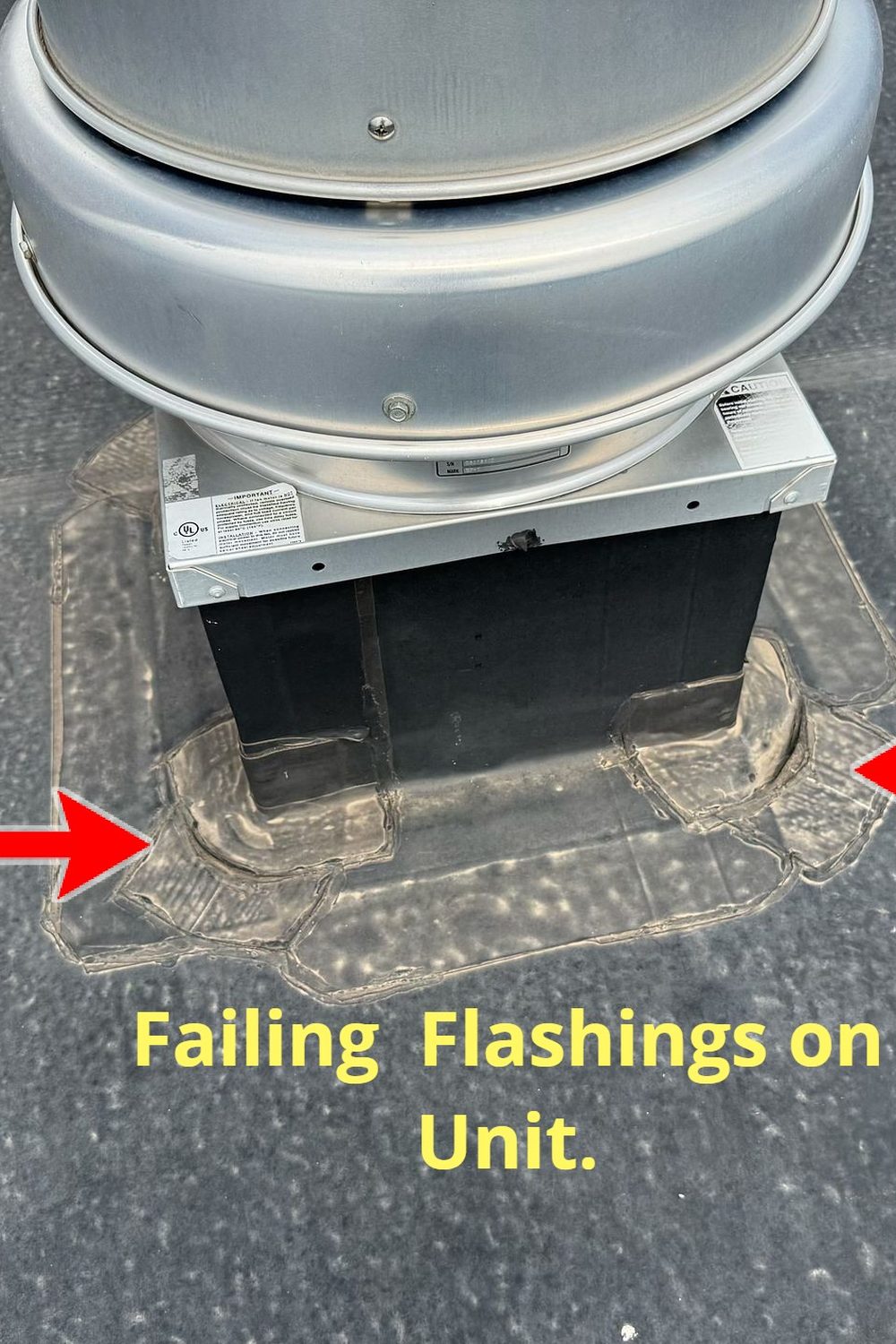
Roof Asset Management
Scheduled inspections, A–F condition grading and photo reporting that keep commercial roofs performing and replacement planned, not forced.
Specifying PVC for an industrial, restaurant, or healthcare property? Start with an inspection.
Tell us about leaks, roof condition, rooftop equipment and access needs. Tectum can help define the inspection information needed to plan PVC roof repairs, maintenance or replacement.
Phone
(719) 455-7663