STANDING SEAM · PAVER SYSTEMS · ARCHITECTURAL METAL
Commercial metal roofing provides durable, long-term performance for Colorado buildings, including Denver, Colorado Springs, and Pueblo. Tectum combines proven in-house fabrication with select industry-leading manufacturers to deliver systems engineered for wind, hail, and fire performance. Our metal roofs are designed to meet the unique requirements of industrial, commercial, and architectural projects, providing reliable protection and low maintenance over decades.
Home > Systems > Metal Roofing
Commercial metal roofing covers three distinct systems: standing seam (concealed-fastener panels with raised vertical seams), exposed fastener (corrugated or R-panel with visible fasteners), and architectural metal panels (decorative wall and roof systems including aluminum composite material). Each uses different gauges, finishes, and substrates depending on building requirements, climate exposure, and architectural intent.
Exposed fastener metal is the dominant specification for industrial, agricultural, and manufacturing buildings. Cost-effective at large scale, simple to install, and durable under industrial exposure. The default specification for warehouse, manufacturing, and equipment storage applications.
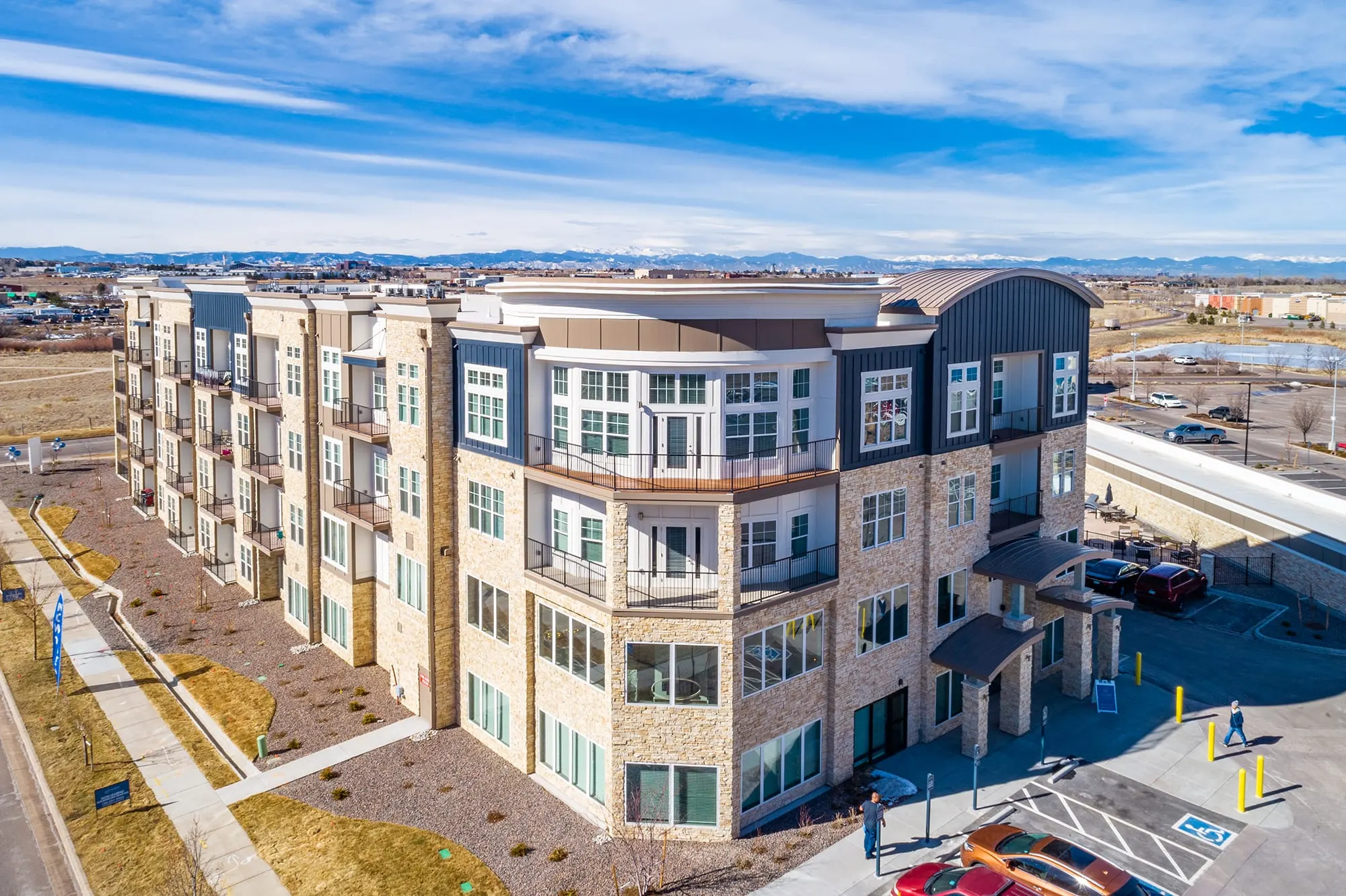
Standing seam metal and architectural panel systems deliver the design flexibility, color palette, and concealed-fastener aesthetic that modern commercial architecture demands. Common on office, healthcare, education, and mixed-use development specifications.
For commercial owners planning a 30-50 year ownership horizon, metal is the only roof system that aligns with the hold period. Single-ply membranes require capital replacement once or twice during a 50-year hold. A properly specified metal roof carries through the entire period.
For commercial buildings with steep-slope roof designs — common on hospitality, religious, and architectural commercial structures — metal is often the only viable specification. Single-ply membranes are limited to low-slope applications.
Commercial metal roofing isn’t one system — it’s three. Tectum specifies the right subsystem based on building use, architectural intent, and exposure profile.
Architectural metal panels include aluminum composite material (ACM), insulated metal panels (IMP), and decorative wall and roof systems used to define architectural identity on commercial buildings. Available in extensive color palettes, multiple finish options, and panel profiles. Common on office, healthcare, mixed-use, and institutional commercial buildings where exterior design matters.
Spec snapshot: Architectural finishes · ACM / IMP systems · Custom color and profile options
Ideal for: Office, mixed-use, healthcare, education, branded retail, architectural design-forward buildings
Standing seam metal is the premium commercial metal roof system. Concealed-fastener design with raised vertical seams (typically 1.5″ to 3″ tall) that mechanically lock or are field-seamed for weathertight performance. No exposed fasteners means no penetration points to fail over time. 24- and 22-gauge steel and 0.032″–0.040″ aluminum are standard.
Spec snapshot: Service life 40-60 yrs · Premium concealed-fastener · 22-24 gauge steel / aluminum
Ideal for: Architecture-forward commercial, healthcare, education, multi-decade hold, steep-slope
Exposed fastener metal — also called R-panel, PBR-panel, or through-fastened — is the workhorse of industrial commercial roofing. Corrugated metal panels installed with visible mechanical fasteners. Cost-effective at scale, simple installation, broad availability. 24- and 26-gauge steel are standard. Service life of 30-40 years with proper maintenance of fastener seals.
Spec snapshot: Service life 30-40 yrs · Cost-effective · 24-26 gauge steel
Ideal for: Industrial, agricultural, manufacturing, warehouse, equipment storage, low-budget commercial
Most commercial roofing contractors install metal panels and flashings ordered from a supplier. Tectum operates a full in-house fabrication shop — New Tech SSQ II roll formers and CIDAN folders and shears — to manufacture standing seam panels, custom flashings, copper components, and architectural details directly to project specifications. Quality, sizing, and securement are controlled in-house, not at a distant warehouse.
In-house fabrication isn’t a marketing claim. It’s an operational capability that affects every metal project Tectum executes — panel length precision, custom profiles for non-standard buildings, on-demand turnaround for emergency flashing replacement, and the ability to fabricate one-off copper details and patina finishes that suppliers can’t deliver.
| Capability | Equipment / Specification | What It Enables |
|---|---|---|
| Roll Forming | New Tech SSQ II roll formers | Standing seam panels manufactured to exact project length — no field splicing required |
| Folding & Shearing | CIDAN industrial folders and shears | Custom flashings, edge metals, gutters, and counter-flashings to architectural specifications |
| Custom Copper & Patinas | Hand fabrication + chemical patina application | Statuary, Verde, and custom patina finishes on architectural copper components |
Panel length precision: Standing seam panels manufactured to exact roof length — eliminating field splices that compromise weathertight performance
Custom profile capability: Non-standard panel profiles, custom radius bends, and architectural details that suppliers don’t stock
Turnaround speed: Emergency flashing and panel fabrication on-demand — not waiting on supplier lead times during active projects
Quality control: Every formed component is inspected at the Tectum shop before it leaves for the project site
Custom copper portfolio: Hand-fabricated copper gutters, downspouts, architectural panels, decorative flashings, and finials
Patina finishing: Chemical patina application in Statuary, Verde, and custom finishes — accelerating the natural weathering process for architectural design intent
| Specification | Detail |
|---|---|
| Material options | Galvanized steel, Galvalume steel, aluminum, copper, zinc, stainless steel |
| Standard gauges (steel) | 22, 24, 26 gauge (lower number = thicker) |
| Standard gauges (aluminum) | 0.032", 0.040", 0.050" |
| Standing seam panel widths | 12", 16", 18" (most common) |
| Slope range | Standing seam: 3:12 min · Exposed fastener: ½":12" min · Architectural: varies |
| Finish options | Kynar 500 / PVDF (premium 30-year finish), SMP (silicone-modified polyester), Galvalume mill finish |
| Fire rating | Class A assemblies available when specified and when the assembly qualifies |
| Typical Colorado service life | Standing seam: 40–60 yrs · Exposed fastener: 30–40 yrs · Architectural: 40+ yrs |
| Warranty options | Manufacturer weathertightness warranties up to 30 years are available when specified and eligible; finish warranties per manufacturer |
Properly specified standing seam and architectural metal systems deliver 40-60 year service lives — double or triple the lifespan of any single-ply membrane. For commercial owners on multi-decade ownership horizons, metal is the only roof system that aligns with the hold period.
Metal panels are mechanically attached with fastening systems engineered for the project’s wind uplift requirements, and can be installed to applicable FM requirements when specified. Heavier gauges (22-24) handle Colorado hail exposure with minimal cosmetic damage and no functional perforation — a significant advantage on the Front Range hail corridor.
Standing seam metal has no exposed fasteners, no seam adhesives, and no membrane chemistry to degrade. Maintenance is typically limited to gutter clearing, debris removal, and periodic inspection of edge metal. Lowest lifecycle maintenance cost of any commercial roof system.
Standing seam and architectural panels deliver the profiles, colors and concealed-fastener look design-forward buildings call for. Manufacturer weathertightness warranties up to 30 years are available when specified and eligible.
Metal is not the right specification for every commercial building. Single-ply membranes — TPO, PVC, EPDM — typically deliver better economics on low-slope commercial roofs with a 20-30 year ownership horizon. Metal earns its premium on specific building profiles where the longer service life, lower maintenance, and architectural flexibility justify the capital investment.
The Tectum methodology evaluates ownership horizon, building use, architectural intent, and roof slope before recommending metal. When metal fits, it fits exceptionally well. When it doesn’t, single-ply is the better answer.
| Building Profile | Metal Specification Fit |
|---|---|
| Industrial / agricultural / manufacturing | Strong fit — exposed fastener metal |
| Multi-decade hold (30+ years) | Strong fit — standing seam premium |
| Architecture-forward commercial | Strong fit — standing seam or architectural panels |
| Steep-slope commercial building | Strong fit — often only viable option |
| Healthcare / education | Strong fit — long life + design flexibility |
| Low-slope general commercial | Poor fit — specify TPO or PVC instead |
| Short hold horizon (under 15 years) | Poor fit — capital cost not justified |
Commercial metal roofing is manufacturer-specific — panel profiles, finish warranties and engineering details vary by manufacturer. Tectum works with Sheffield Metals, Drexel Metals, Berridge, PAC-CLAD, Alucobond and Western States. Tectum fabricates standing seam panels in-house on New Tech SSQ II roll formers and specifies the manufacturer that fits the project.
Standing seam, architectural metal
Premium architectural standing seam
Standing seam, wall panels
Industry-leading PVDF finishes
Exposed-fastener and standing-seam metal
Western US manufacturing
Aluminum composite panels (ACM)
Premium architectural ACM for facades
There is no single best system. TPO fits most general commercial buildings, PVC handles chemical, grease and restaurant exhaust exposure, EPDM suits cold-climate and multi-family applications, and metal serves long ownership horizons and steep-slope or architectural profiles. Tectum specifies the system that fits the building’s use, exposure, budget and capital plan.
Both are heat-welded white single-ply membranes with reflective surfaces. PVC uses plasticized chemistry that resists grease, oils and chemical exposure, which makes it the specification for restaurants, food processing and industrial facilities. TPO typically costs less and performs well for general commercial use. Warranty availability depends on the manufacturer, system and project.
Service life depends on the system, installation quality, thickness, rooftop traffic and maintenance more than on the calendar. Colorado’s hail, UV and freeze-thaw exposure shortens the life of roofs that are not inspected and maintained. Regular inspections and prompt repair of seams, flashings and drains are the biggest factors in reaching a roof’s full service life.
Mechanically fastened systems attach the membrane through the insulation to the deck with plates and screws along the seams. Fully adhered systems bond the membrane to the substrate with adhesive across the entire surface. Adhered systems resist wind uplift and flutter well and give a smooth appearance; mechanically fastened systems install faster and cost less. The right choice depends on deck type, building height, wind exposure and budget.
Yes. Tectum installs standing seam and exposed-fastener metal roofing, metal wall panels and ACM panels, and fabricates standing seam panels and architectural sheet metal in-house at its Colorado Springs shop. Tectum works with Sheffield Metals, Drexel Metals, Berridge, PAC-CLAD, Alucobond and Western States.
Tectum provides commercial roof system installation across Colorado Springs, Pueblo, Castle Rock, Parker and Denver and the surrounding Front Range from its Colorado Springs headquarters. Tectum is licensed in all of its service areas. If your building is outside these cities, contact us — many Colorado projects are within reach.
Both are heat-welded white single-ply membranes with reflective surfaces. PVC uses plasticized chemistry that resists grease, oils and chemical exposure, which makes it the specification for restaurants, food processing and industrial facilities. TPO typically costs less and performs well for general commercial use. Warranty availability depends on the manufacturer, system and project.
Start with the building’s exposure: chemical or grease exhaust points to PVC; cold-climate multi-family or budget-driven wide-span roofs often suit EPDM or TPO; long ownership horizons, steep slopes and architectural intent favor metal. Then weigh warranty goals, rooftop traffic, energy performance and budget. Tectum’s inspection and specification process walks through those factors with you.
Service life depends on the system, installation quality, thickness, rooftop traffic and maintenance more than on the calendar. Colorado’s hail, UV and freeze-thaw exposure shortens the life of roofs that are not inspected and maintained. Regular inspections and prompt repair of seams, flashings and drains are the biggest factors in reaching a roof’s full service life.
Yes. Tectum inspects, repairs and replaces modified bitumen and built-up (BUR) roofs in addition to TPO, PVC, EPDM and metal. Repairs use materials compatible with the existing system, and when a built-up roof reaches the end of its life Tectum will specify the replacement system that fits the building.
Chemical- and grease-resistant single-ply for restaurants, industrial and healthcare buildings, with Class A assemblies available when specified.
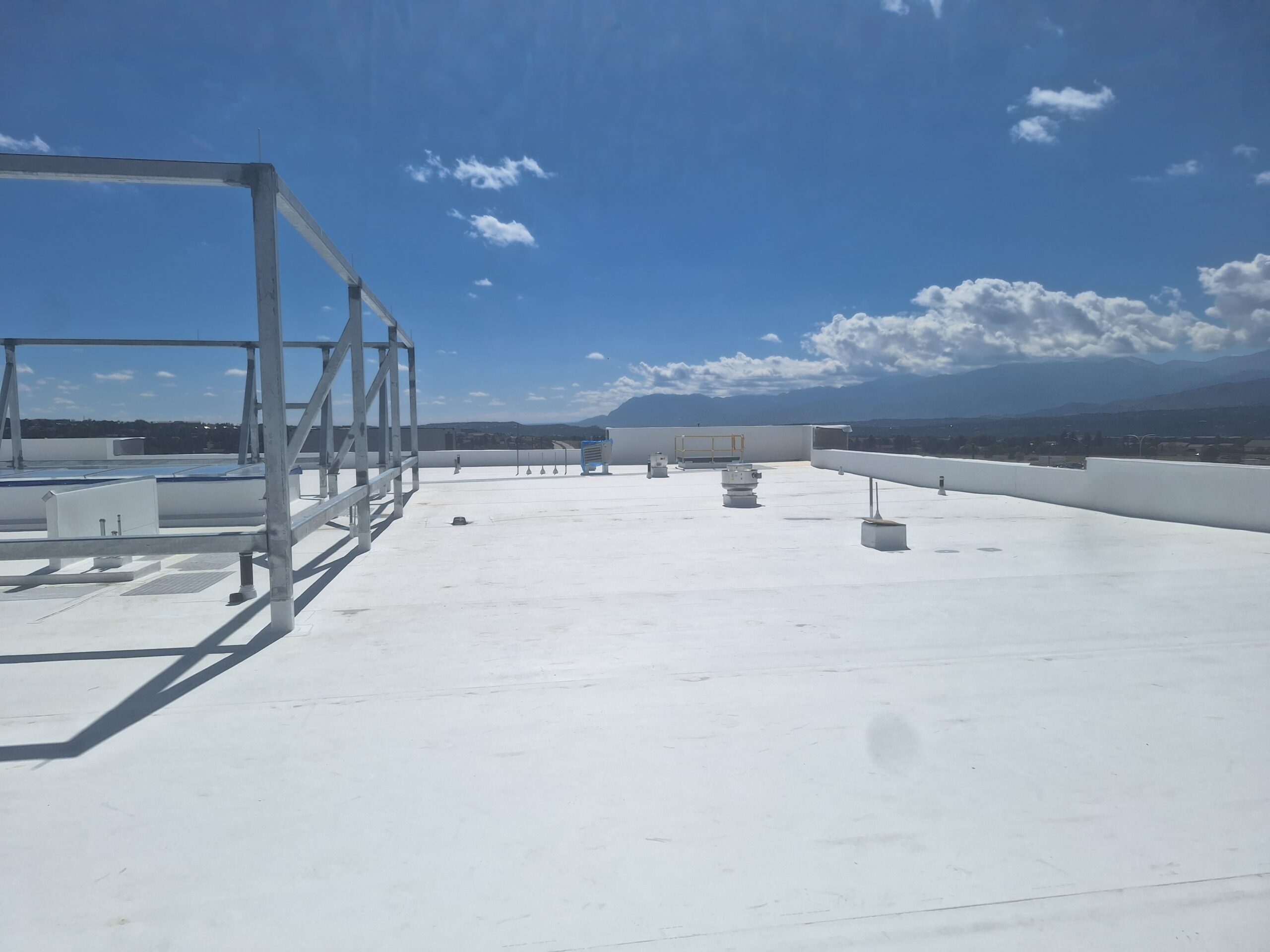
Heat-welded white single-ply membrane specified by thickness and attachment for Front Range hail, UV and wind exposure.
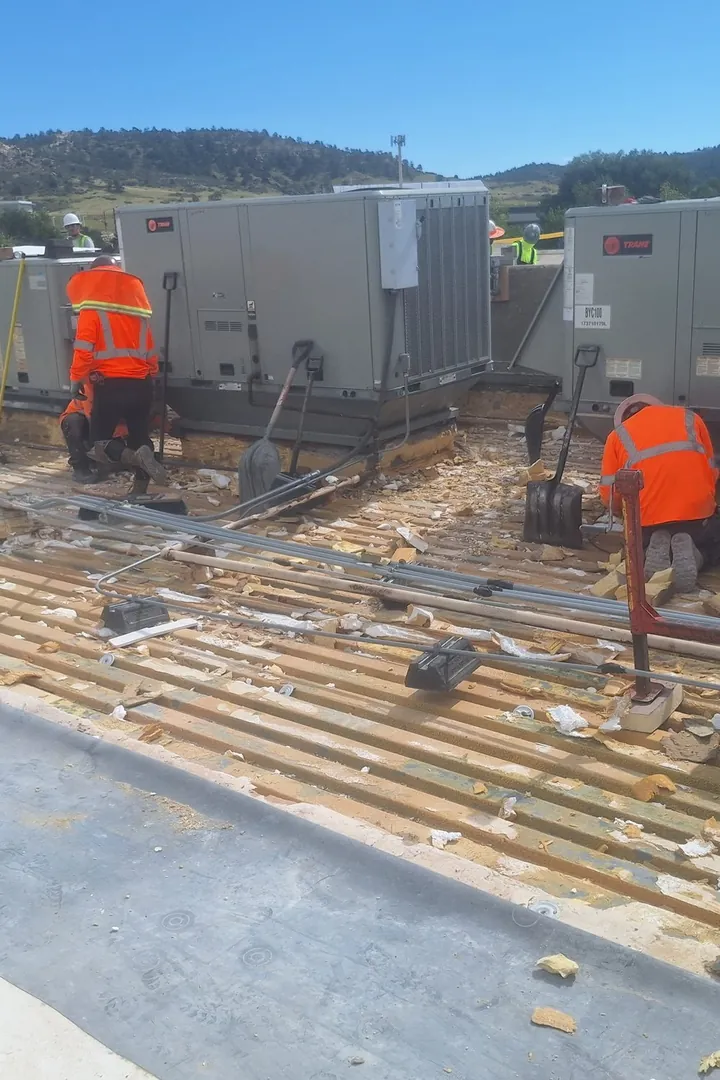
Options-based replacement of TPO, PVC, EPDM, built-up and metal roofs, phased around your operations and registered for manufacturer warranty where the project qualifies.
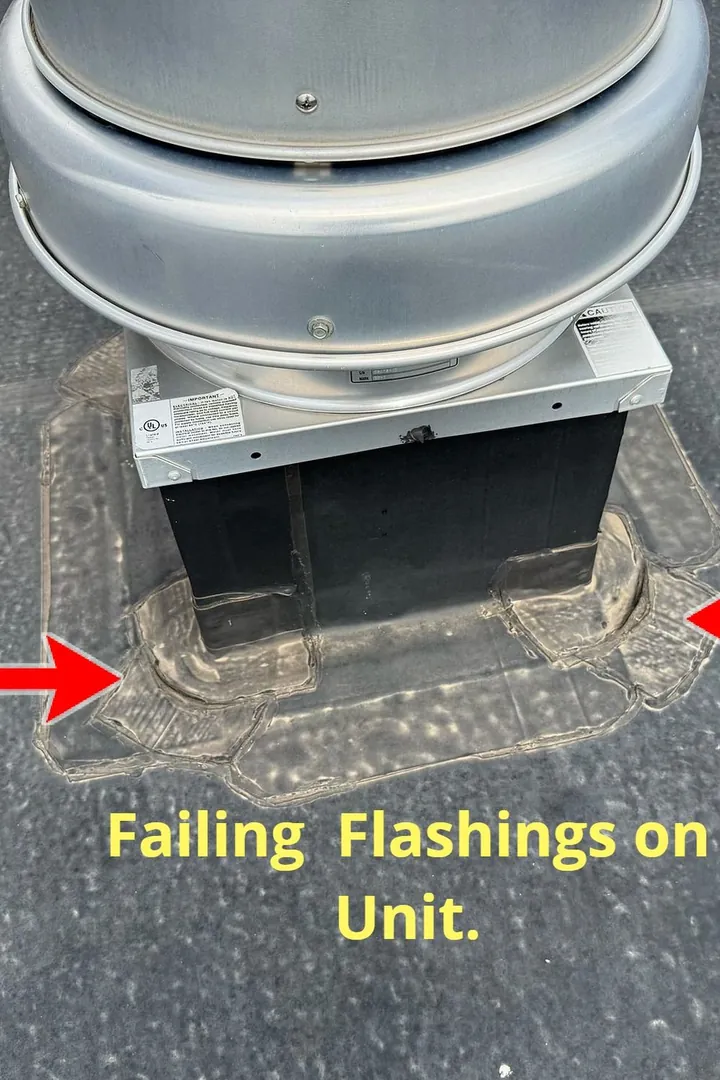
Scheduled inspections, A–F condition grading and photo reporting that keep commercial roofs performing and replacement planned, not forced.