STANDING SEAM · PAVER SYSTEMS · ARCHITECTURAL METAL
Warehouse and distribution facility roofing is the largest commercial vertical by square footage — and the most operationally sensitive. Tectum specifies and installs TPO, ballasted EPDM, and standing seam metal systems on wide-span warehouses and distribution centers across Colorado Springs, Pueblo, Castle Rock, Parker, and Denver. Phased execution maintains dock operations. Cost-efficient at scale.
Home > Industries > Warehouse Distribution
Warehouses, distribution centers, fulfillment facilities, and logistics hubs combine three roofing challenges no other commercial vertical faces simultaneously: massive square footage (often 100,000-1,000,000+ sqft), wide-span structural design with limited rooftop equipment, and around-the-clock operations that won’t tolerate downtime. Specification has to balance capital efficiency at scale with operational continuity throughout execution.
Third-party logistics operators run distribution and fulfillment around the clock — every hour of dock downtime costs revenue. Tectum's phased execution methodology maintains active dock operations during roof replacement, with crew deployment matched to peak/off-peak shift patterns.
Distribution facility owners face wide-span roof areas where cost-per-square-foot drives specification economics. Tectum balances capital efficiency (TPO, or ballasted EPDM where the deck supports it) with operational performance — strong service life at scale.
REITs holding industrial and logistics portfolios need predictable capital planning across multiple warehouse properties. Tectum's RAM Program produces portfolio-wide condition reports and capital forecasts formatted for REIT executive reporting and investor disclosure.
Combined manufacturing-distribution operations face dual exposure profiles — process emissions from production zones plus standard distribution scale. Specification often varies by roof section: PVC over production, TPO or EPDM over distribution. Tectum specifies by exposure, not by building.
Generic commercial roofing assumes a building under 50,000 sqft with standard rooftop equipment and Monday-Friday business hours. Warehouse and distribution specification has to account for factors that don’t exist on most commercial buildings — and that materially affect both upfront cost and lifecycle economics.
| Factor | Specification Impact |
|---|---|
| Square footage (wide-span scale) | Cost-per-square-foot drives system economics — ballasted EPDM and mechanically fastened TPO often outperform fully adhered alternatives on capital efficiency. |
| Operational continuity / dock schedules | Phased execution methodology with crew deployment matched to shift patterns; off-hour and weekend work where dock operations preclude business-hours execution. |
| Structural deck capacity | Ballasted systems require structural capacity for 10–12 lbs/sqft ballast load — older warehouses may not support ballast specifications. |
| Insurance / FM Global requirements | Many institutional warehouse insurers specify assembly approvals, wind uplift ratings and fire ratings — Tectum can install to applicable FM requirements when specified, and documentation is provided where applicable. |
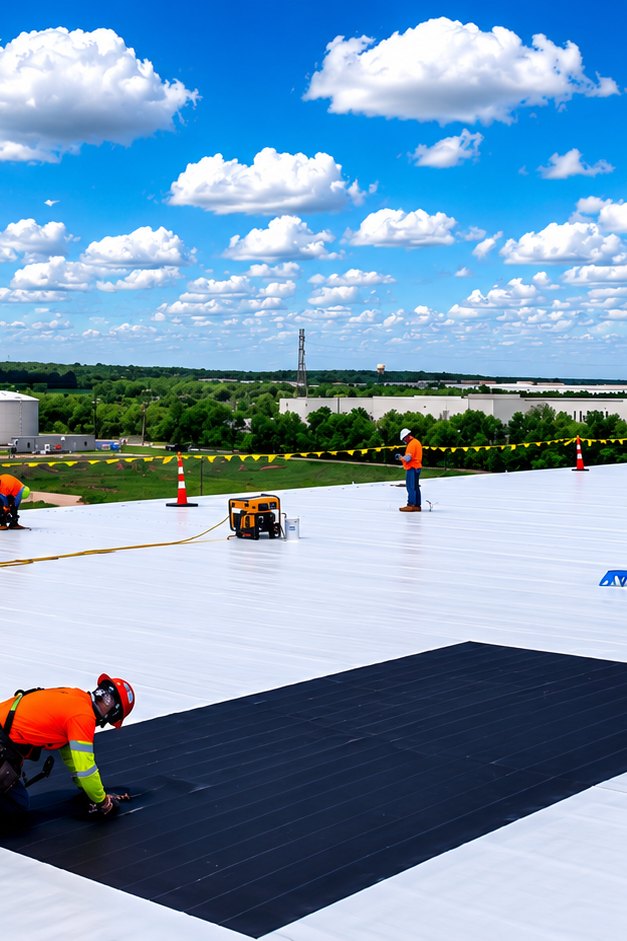
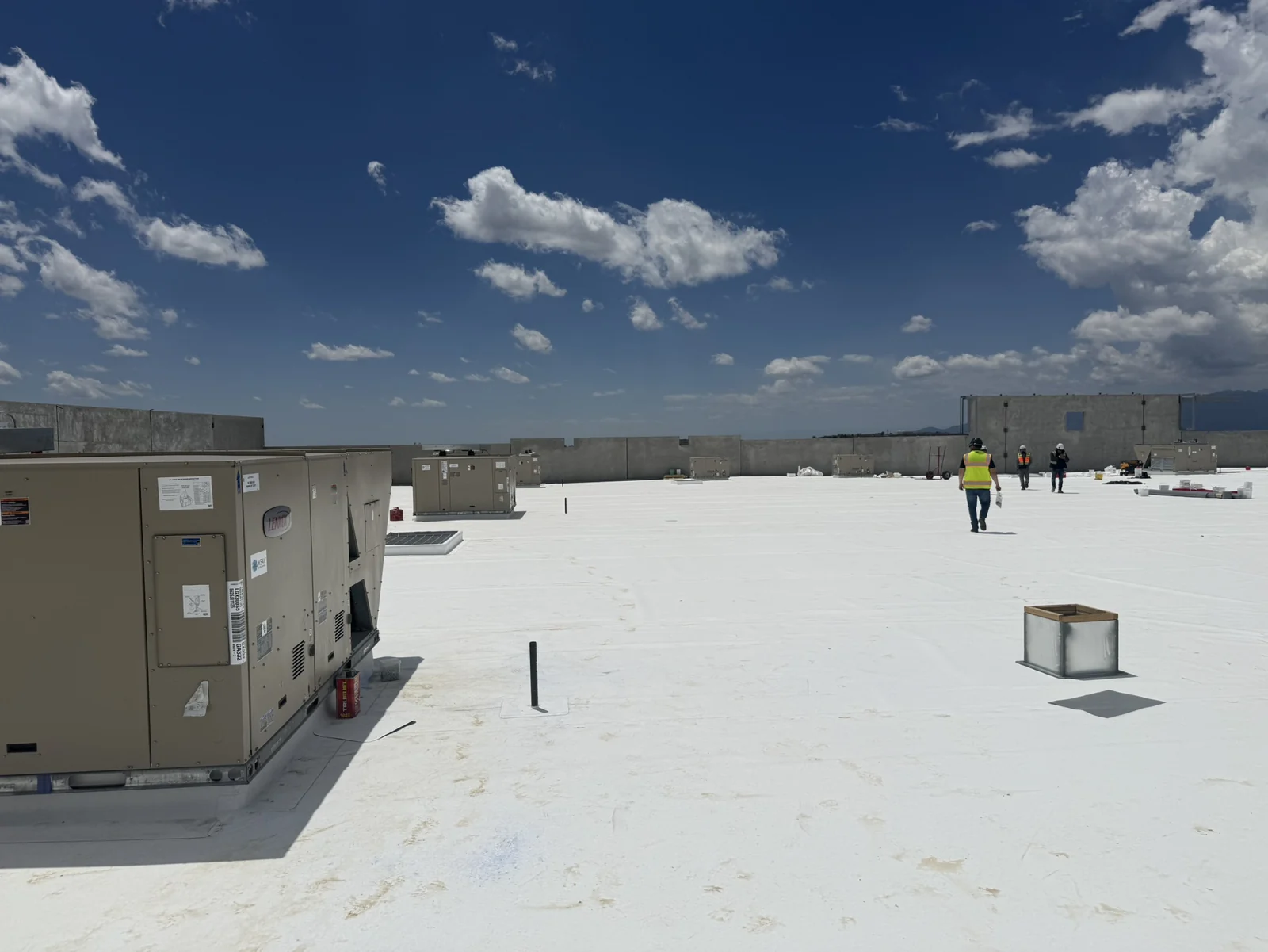
TPO is the dominant warehouse roofing specification — strong cost economics at wide-span scale, heat-welded seams for monolithic performance, manufacturer warranty options up to 30-year NDL when the project qualifies, and white reflective surface that reduces cooling load on conditioned warehouse spaces. Tectum is a GAF Gold Elite Commercial Contractor.
Best for: Most warehouse and distribution facilities, conditioned-space distribution, fulfillment centers
Ballasted EPDM remains a strong warehouse specification on buildings with adequate structural deck capacity. Loose-laid membrane held in place with stone ballast (10-12 lbs/sqft). Fastest installation method at wide-span scale, no fastener penetration points. Requires structural verification before specification — older warehouses may not carry the ballast load.
Best for: Large-square-footage warehouses with capable structural decks, minimal rooftop penetrations
Warehouse owners on multi-decade ownership horizons (30-50+ years) often specify standing seam metal for the 40-60 year service life and minimal maintenance economics. Tectum fabricates standing seam panels in-house — roll-formed to exact panel lengths for wide-span warehouse roofs without field splicing.
Best for: Multi-decade warehouse holds, industrial-distribution facilities, owner-occupied long-term assets
Resists fats, greases, oils, and solvents that degrade TPO. Designed specifically for food distribution, cold storage, and mixed manufacturing-distribution facilities, PVC roofing ensures long-term durability and performance. Provides 25–30 year service life.
Best for: Multi-decade warehouse holds, industrial-distribution facilities, owner-occupied long-term assets
Distribution and fulfillment warehouses don’t shut down for roofing. Inbound and outbound dock operations run on tight schedules. Order fulfillment cycles can’t be interrupted. 3PL contracts often carry uptime penalties that exceed the cost of the roof itself. Replacement has to execute around the operation.
Tectum’s warehouse execution methodology starts with operational planning — documenting dock schedules, peak shift patterns, equipment access routes, and downtime tolerance. The replacement scope is then phased to maintain critical operations throughout execution. Phasing is planned so dock operations continue during the work.
A 5,000-square-foot office roof and a 500,000-square-foot warehouse roof aren’t the same system at different sizes. Wide-span roofs face different drainage profiles, thermal expansion behavior, wind uplift dynamics, and capital economics. Specifications that work on smaller commercial buildings don’t always scale to warehouse dimensions.
| Consideration | Purpose |
|---|---|
| Drainage design | Slope-to-drain calculations matter more — ponding water on wide spans compounds drainage issues across larger areas |
| Thermal expansion | Larger membrane areas experience more cumulative expansion/contraction — fastening patterns and seam design must accommodate |
| Wind uplift | Wind pressure at building corners and edges is amplified — perimeter fastening density must be engineered for actual exposure |
| Equipment penetration density | Wide spans typically have lower penetration density — opens up ballasted system viability that smaller commercial doesn't support |
| Capital economics | Cost-per-square-foot becomes the dominant decision factor — specification choices that add 10–15% on a small roof add hundreds of thousands on a warehouse |
TPO is the most common warehouse specification because of its cost efficiency over wide-span roofs and its reflective white surface; EPDM is used where budget or cold-weather flexibility leads; standing seam metal serves owners with long holds. Tectum specifies based on the building’s deck, exposure, operations and capital plan.
Yes. Tectum phases warehouse roof work by area, keeps dock doors and truck lanes clear of staging, and coordinates crane and material deliveries with your operations team. The building stays watertight at the end of each workday so inventory is protected.
Ballasted EPDM works when the roof structure can carry the stone ballast, wind exposure is moderate, and the owner wants an economical system over a wide span. Tectum reviews the structure and exposure before recommending it, because ballast complicates inspection and leak detection.
A warehouse roof’s life depends on the system, membrane thickness, rooftop traffic and maintenance more than on the calendar. Scheduled inspections and prompt repair of seams, flashings and drains are what allow a warehouse roof to reach its full potential. Manufacturer warranty terms are the practical benchmark.
Tectum can install to applicable FM requirements when specified. If your carrier or your facility’s insurance program requires an FM-approved assembly, share the requirements at the inspection stage and Tectum will specify the system, attachment and documentation to match.
Tectum provides warehouse and distribution roofing across Colorado Springs, Pueblo, Castle Rock, Parker and Denver and the surrounding Front Range from its Colorado Springs headquarters. Tectum is licensed in all of its service areas. If your building is outside these cities, contact us — many Colorado projects are within reach.
For most distribution facilities TPO is the economical choice, with heat-welded seams and a reflective surface over wide-span roofs. PVC is specified when the facility handles chemicals, food, grease or process exhaust that would degrade TPO. Tectum prices both in writing when either could serve the building.
Chemical- and grease-resistant single-ply for restaurants, industrial and healthcare buildings, with Class A assemblies available when specified.
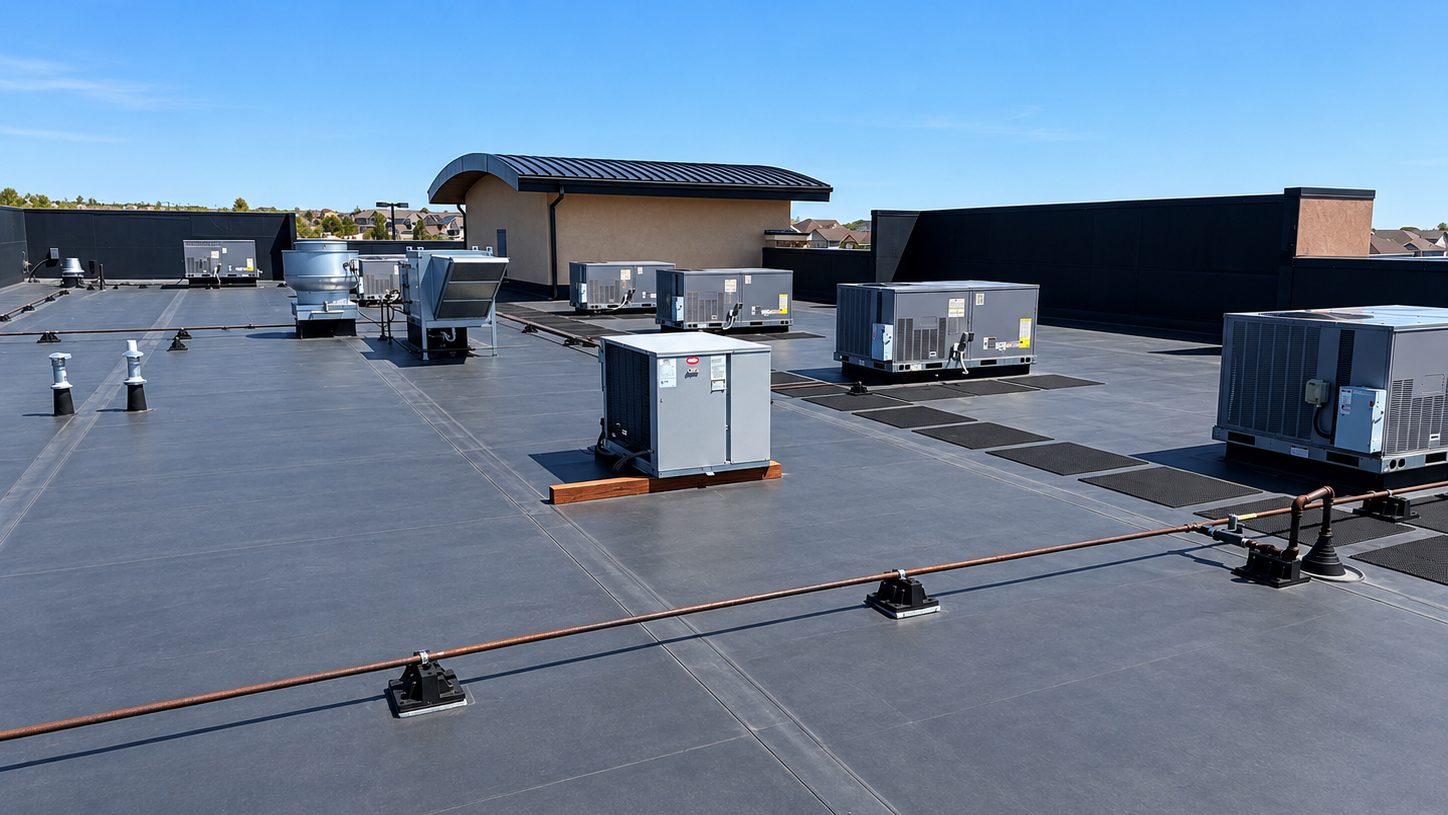
Proven synthetic-rubber membrane for multi-family, warehouse and cold-climate roofs, installed adhered, fastened or ballasted.
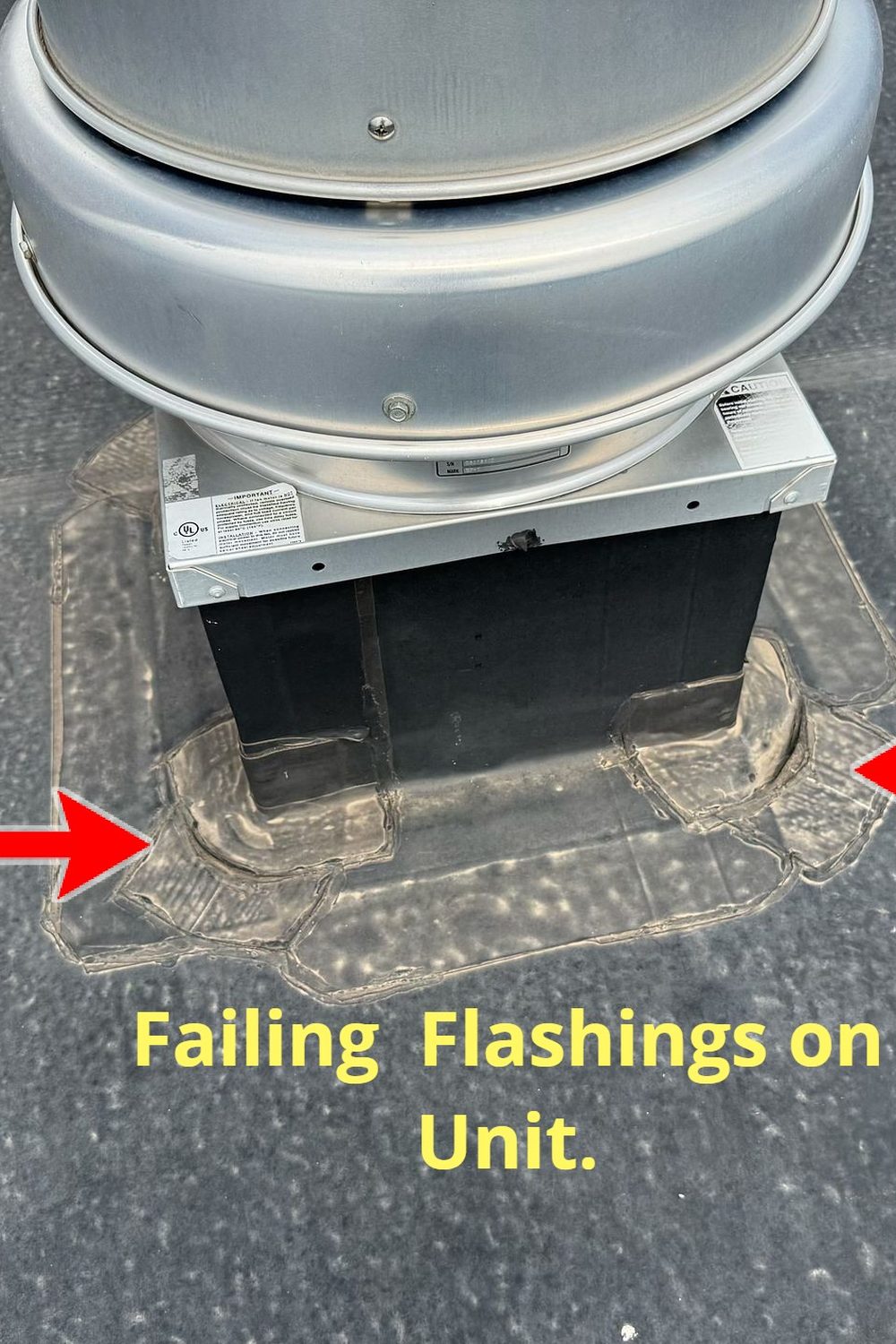
Scheduled inspections, A–F condition grading and photo reporting that keep commercial roofs performing and replacement planned, not forced.
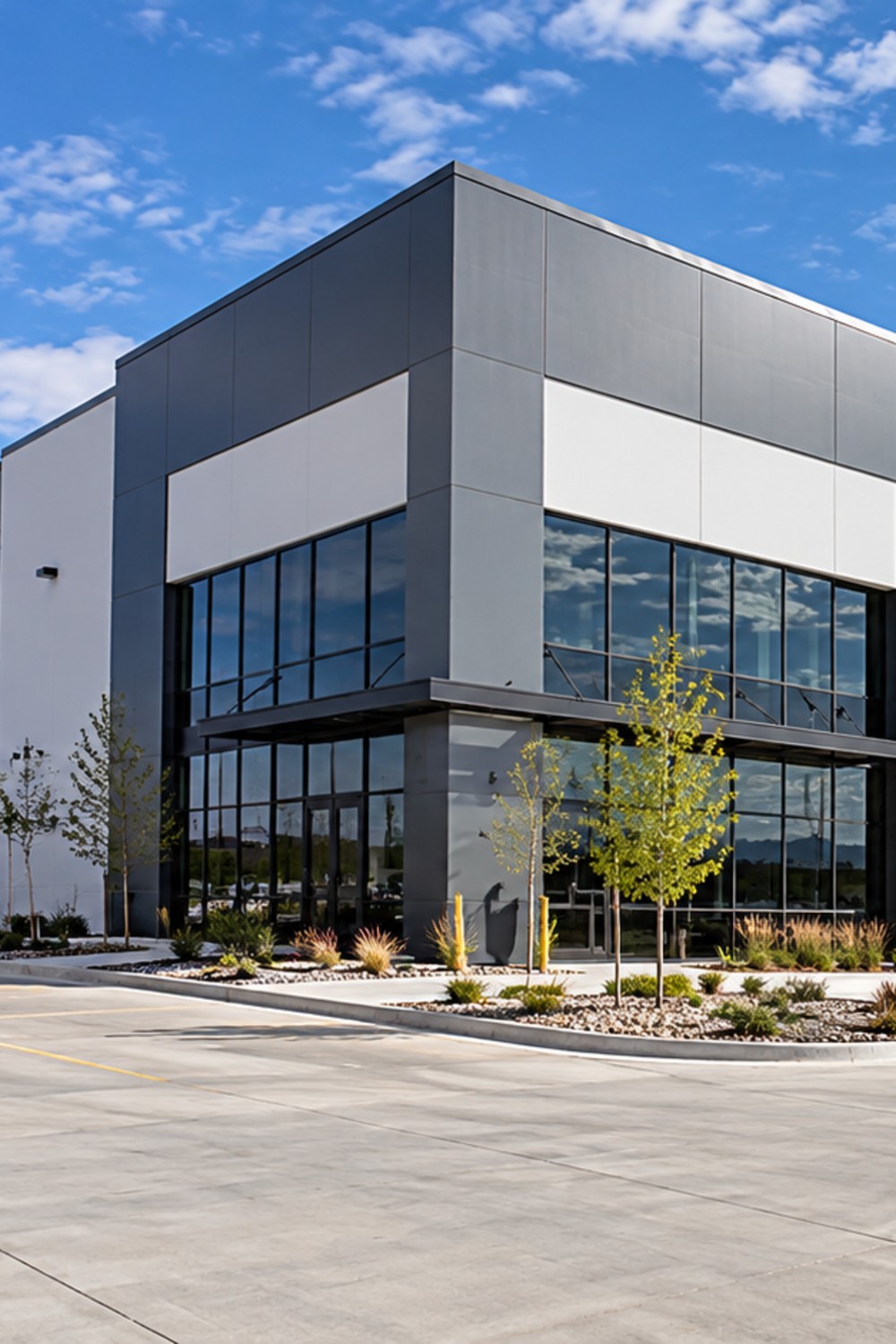
PVC, TPO and metal systems specified for chemical exposure, rooftop equipment loads and operations that cannot shut down for roofing work.
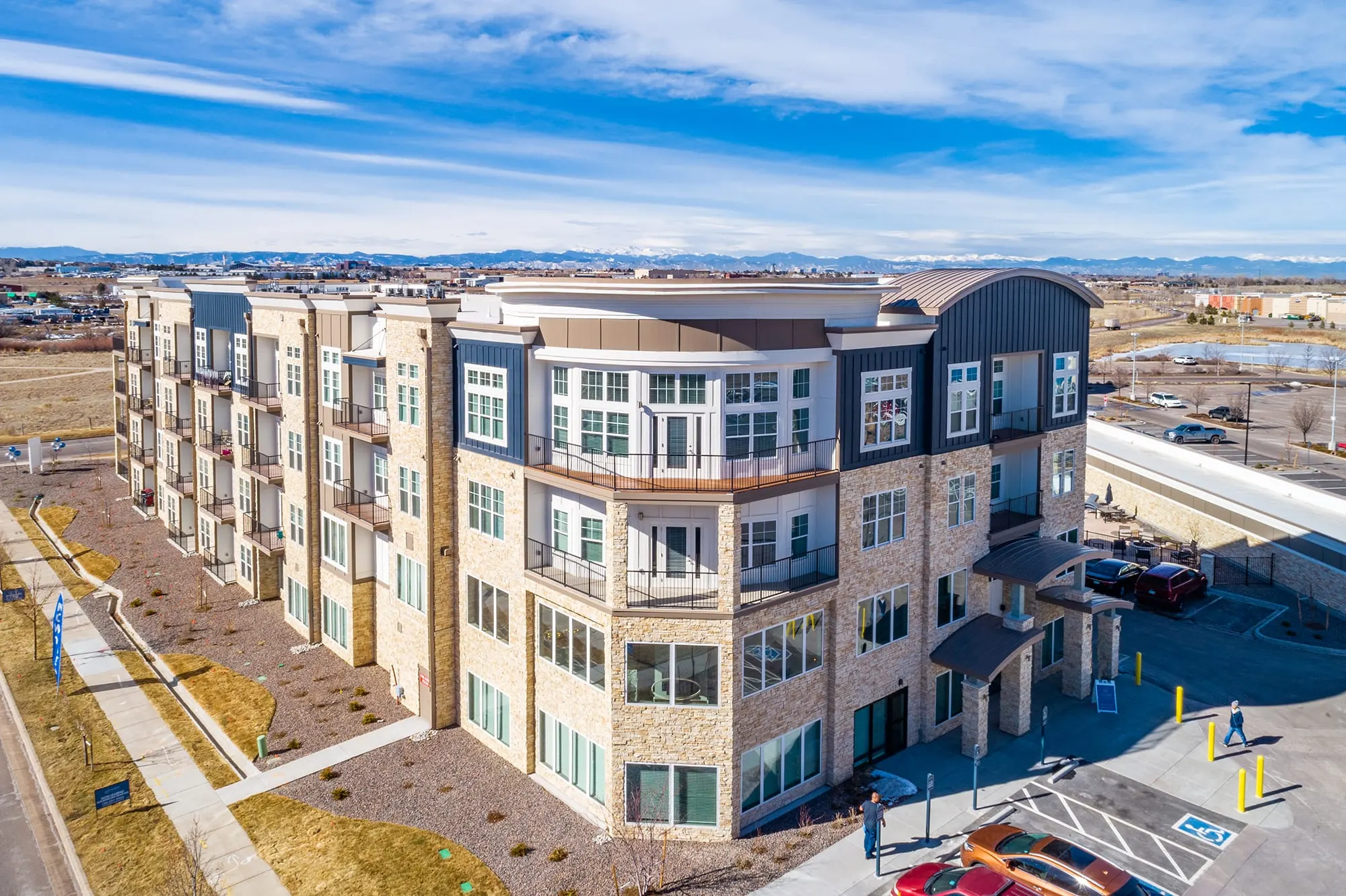
Tectum’s warehouse specification methodology accounts for dock schedules, operational continuity, structural capacity, and capital economics — before recommending a system.
(719) 455-7663
(719) 455-7663