STANDING SEAM · PAVER SYSTEMS · ARCHITECTURAL METAL
Tectum provides commercial roof preventative maintenance programs designed to identify developing problems, reduce avoidable repairs, and support longer roof service life. Through scheduled inspections, routine maintenance, documentation, and targeted corrective work, we help property owners and facility managers manage roofing systems proactively instead of waiting for leaks or failures.
Commercial roofs are continuously exposed to weather, rooftop traffic, drainage issues, debris, UV radiation, and temperature changes. Small deficiencies can develop into larger problems when they remain undetected.
Tectum’s preventative maintenance approach focuses on regularly evaluating roof condition, addressing manageable issues early, and documenting changes over time.
Routine roof evaluations help identify developing damage, deterioration, drainage concerns, and other conditions before they become larger problems.
Minor deficiencies such as vulnerable seams, flashing, penetrations, and localized damage can be addressed before they contribute to more extensive deterioration.
Roof drains, scuppers, gutters, and drainage paths are evaluated to help reduce standing water and moisture-related roofing problems.
Inspection findings and maintenance activity are documented to provide property owners with better visibility into roof condition and future needs.
Routine inspections can identify deteriorating seams, flashing, penetrations, membrane damage, and other vulnerabilities before they result in significant water intrusion.
Consistent maintenance can help preserve roofing components and maximize the usable service life of a commercial roof system.
Finding manageable problems earlier can reduce the likelihood of unexpected leaks and disruptive emergency roofing work.
Roof condition documentation helps owners understand when repairs, restoration, or eventual replacement should be considered and budgeted.
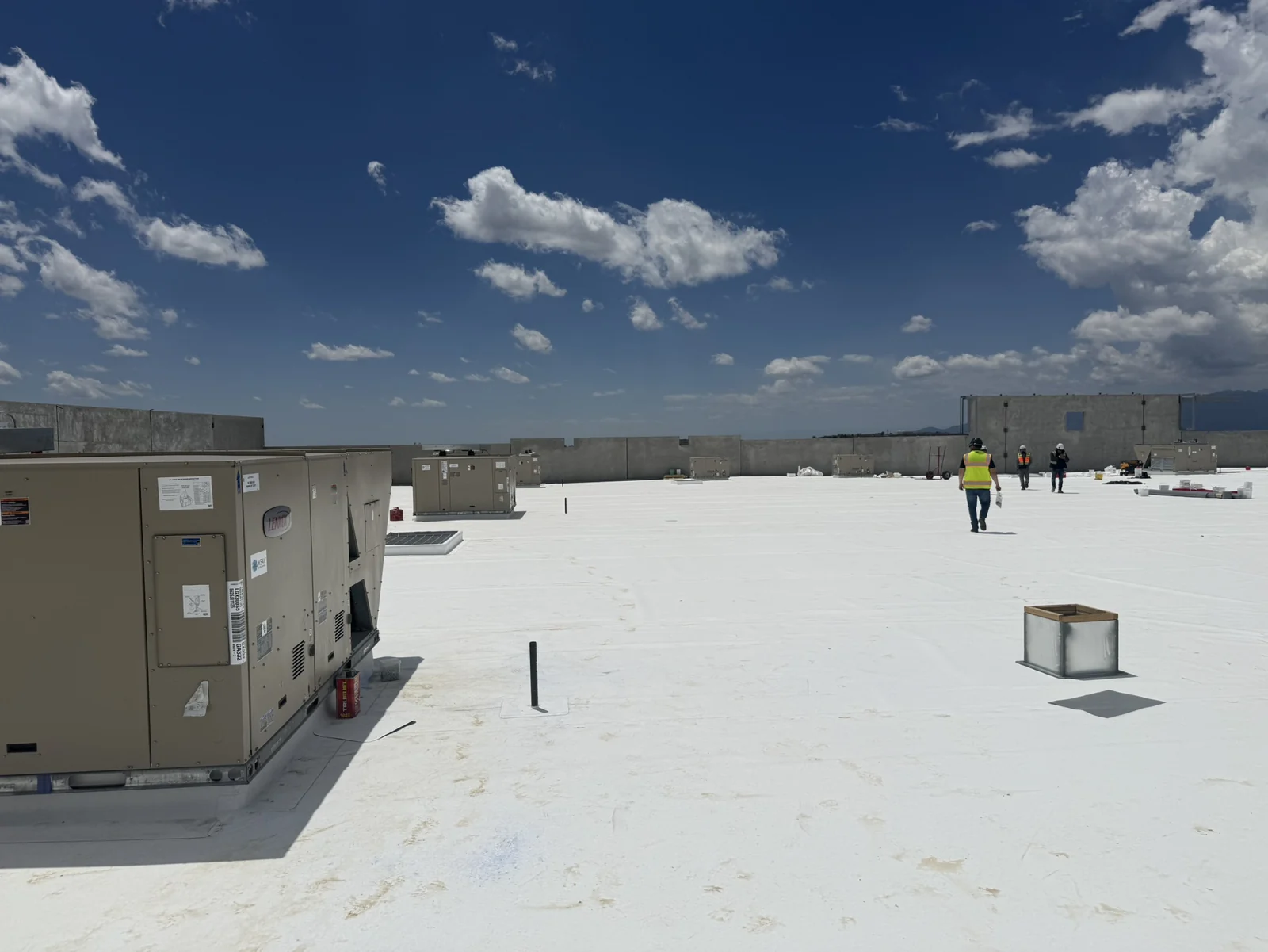
We begin by evaluating the existing roof system, overall condition, drainage, penetrations, flashing, seams, previous repairs, and visible areas of concern.
Inspection findings are documented to establish a baseline of the roof’s current condition and identify maintenance priorities.
We develop a maintenance approach based on roof type, age, exposure, condition, property requirements, and identified vulnerabilities.
Approved maintenance work is completed, including applicable minor repairs, drainage attention, sealing, flashing work, or other corrective measures within the agreed scope.
Future inspections allow our team to monitor changes in roof condition and help property owners plan for repairs, restoration, or replacement when necessary.
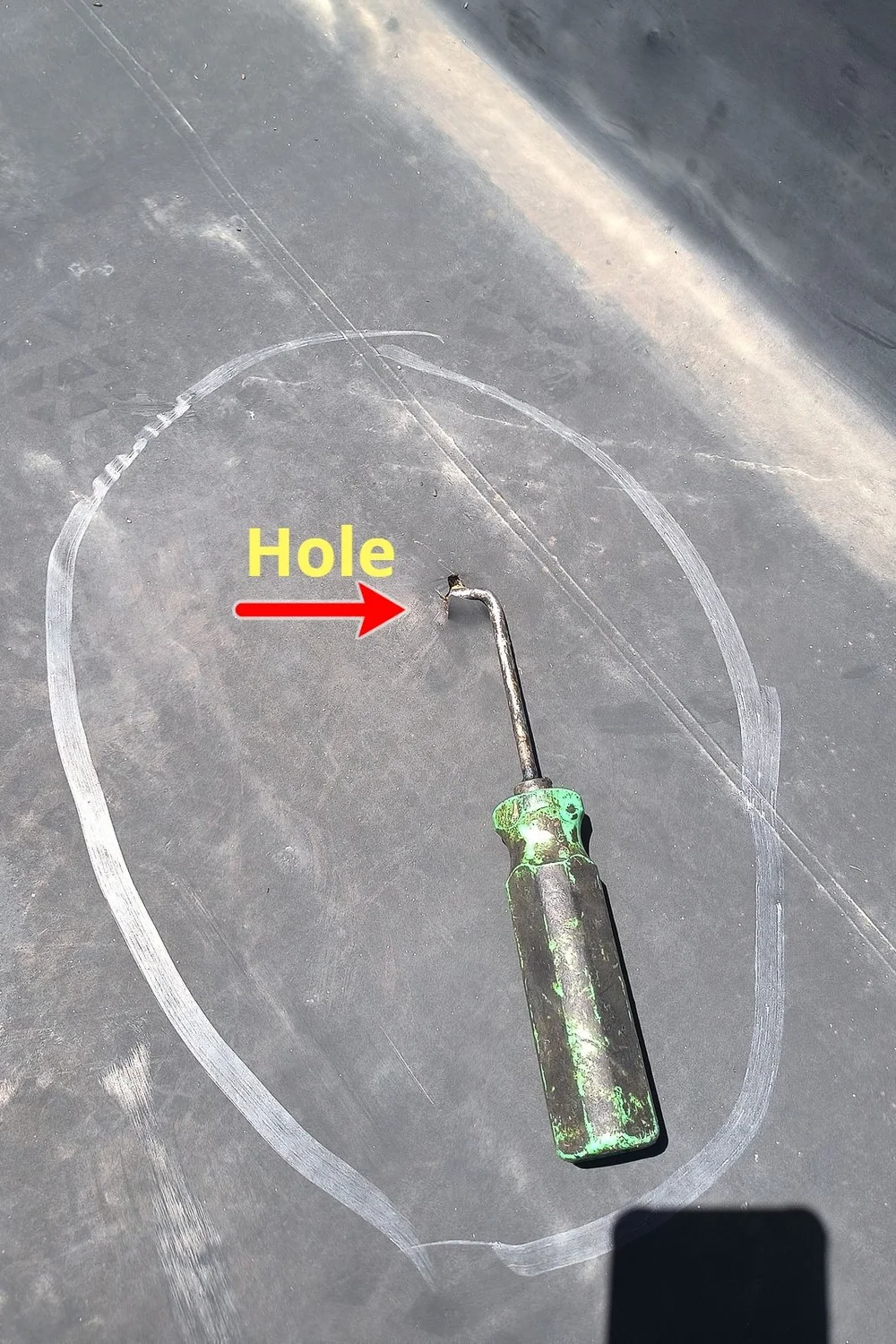
We begin by evaluating the existing roof system, overall condition, drainage, penetrations, flashing, seams, previous repairs, and visible areas of concern.
Inspection findings are documented to establish a baseline of the roof’s current condition and identify maintenance priorities.
We develop a maintenance approach based on roof type, age, exposure, condition, property requirements, and identified vulnerabilities.
Approved maintenance work is completed, including applicable minor repairs, drainage attention, sealing, flashing work, or other corrective measures within the agreed scope.
Future inspections allow our team to monitor changes in roof condition and help property owners plan for repairs, restoration, or replacement when necessary.
Preventative maintenance includes a documented inspection, clearing drains, scuppers and gutters, removing debris, resealing and repairing minor flashing and seam defects, checking rooftop equipment curbs and penetrations, and photographing the roof’s condition. Findings that need larger repair are scoped separately in writing.
Most manufacturers and roofing associations recommend inspecting a commercial roof twice a year — typically spring and fall — plus after any significant hail or wind event. Regular inspections catch small failures at seams, flashings and drains before they become interior leaks. Tectum’s RAM Program includes two documented inspections per year at every tier.
Yes. Most roof failures start at seams, flashings, drains and penetrations. Catching and correcting those details early keeps water out of the insulation and deck, which is what usually shortens a roof’s life. Consistent maintenance is the most cost-effective way to protect the investment in a commercial roof.
Yes. Clearing drains, resealing terminations and correcting small defects before storm season removes the most common causes of commercial roof leaks. Maintenance cannot prevent every storm-related problem, but it eliminates the predictable ones and documents the roof’s condition.
Yes. Hail damage to commercial membranes and metal is often not visible from the ground and can be missed entirely without a rooftop inspection. A documented inspection after a storm establishes the roof’s condition, records any damage with photographs, and gives you a clear basis for repair decisions and any insurance conversation. Contact Tectum after a storm and we will schedule the inspection.
Yes. Most manufacturer warranties require the roof to be maintained and may require records of inspection and repair. Documented preventative maintenance produces that record and keeps the roof in the condition the warranty assumes.
When failures become widespread rather than localized, moisture has saturated the insulation, repairs no longer hold, or the cost of ongoing repair approaches the value of a new system. Tectum’s inspection reports and RAM condition grades identify that point so replacement can be planned and budgeted rather than forced by a failure.
Explore related commercial roofing services that support replacement planning, including inspections, preventative maintenance, and roof asset management. These services help property teams understand roof conditions, plan next steps, and manage long-term roof performance.
Targeted repair of leaks, seams, flashings and storm damage, documented with photographs and matched to the existing roof system.
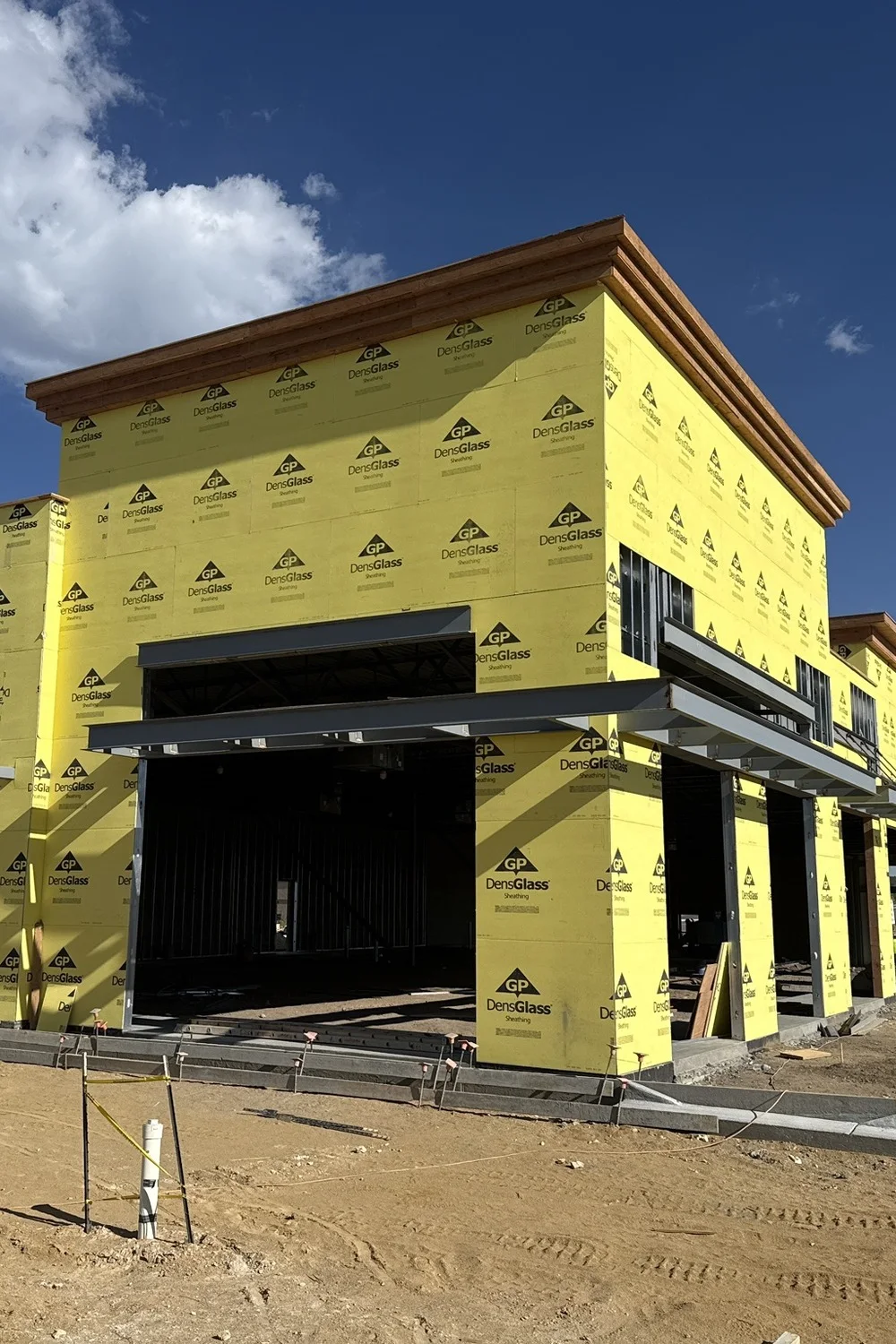
Roof-to-wall transitions, coping, flashings and wall panels inspected and repaired as one system to keep water out of the building.
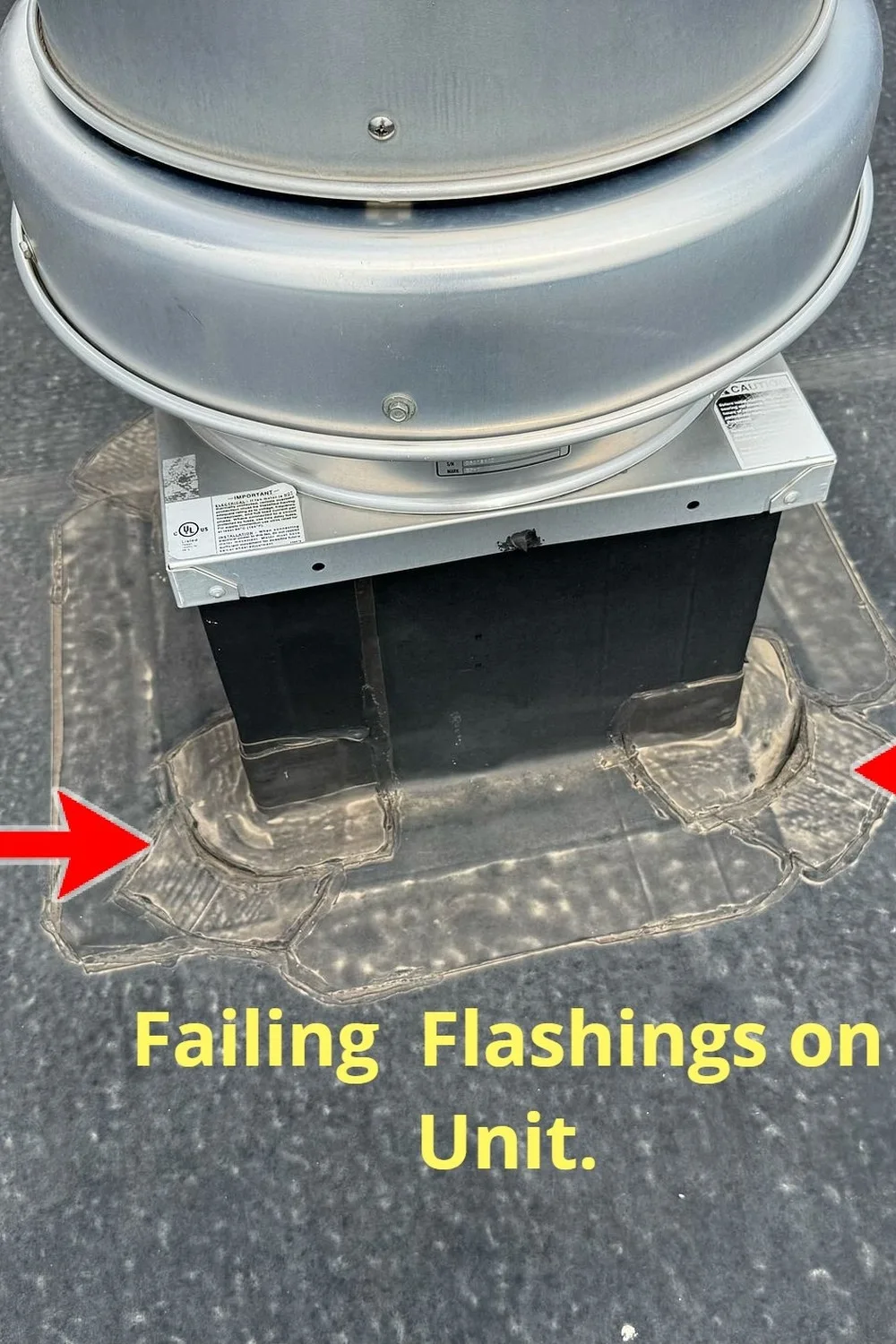
Scheduled inspections, A–F condition grading and photo reporting that keep commercial roofs performing and replacement planned, not forced.
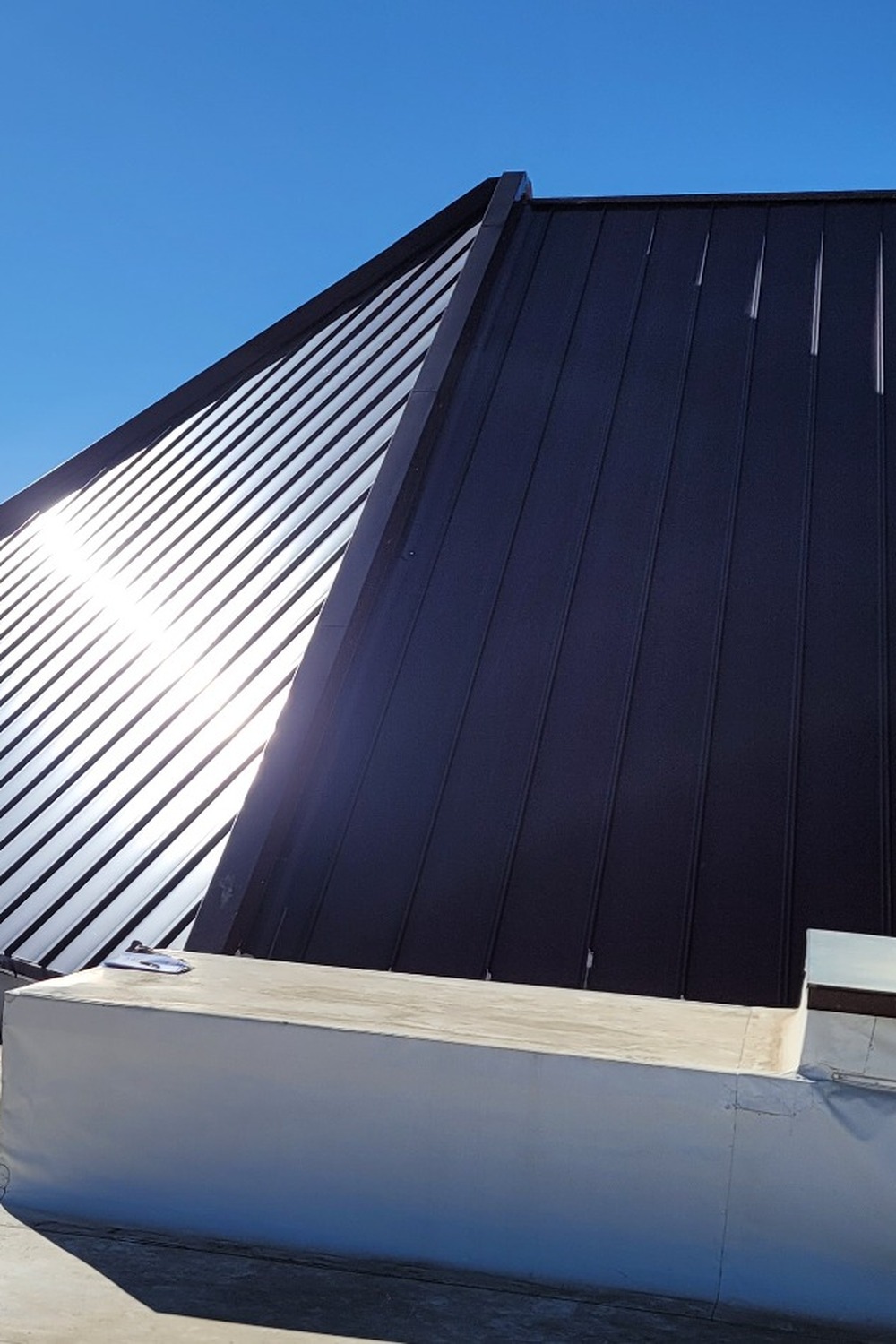
Custom coping, fascia, gutters, trim and flashings fabricated in-house and installed to fit the building and its roof system.
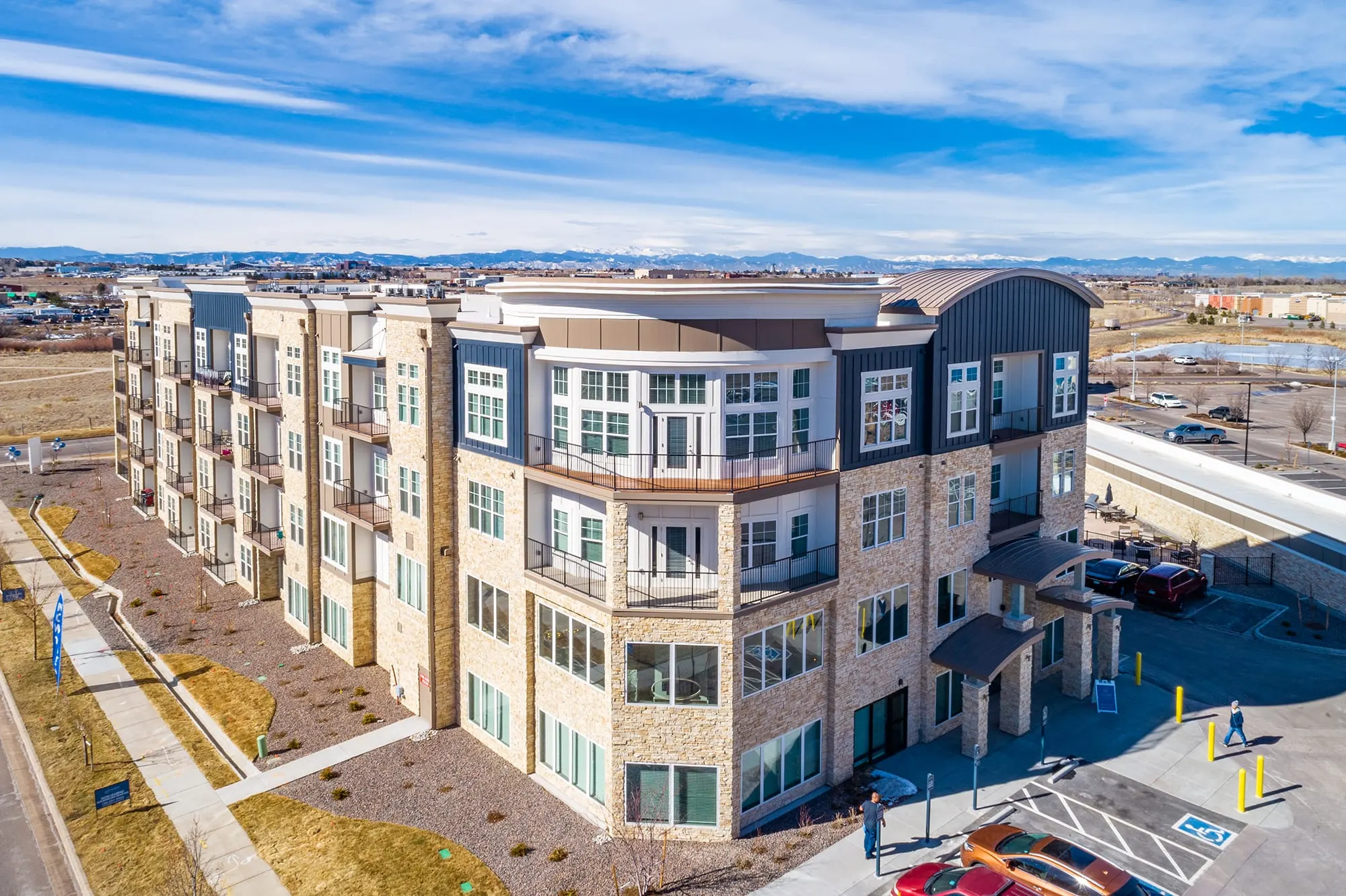
Start with a documented roof inspection and build a preventative maintenance strategy around your property’s actual condition and long-term roofing needs.
(719) 455-7663