In the world of roofing materials, few options exude the elegance and durability of slate. However, traditional slate roofing comes with its own set of challenges, from its:
- Weight
- Cost to its
- Installation complexities.
Enter synthetic slate roofing, a modern alternative that aims to replicate the allure of natural slate while addressing some of its drawbacks. In this guide, we’ll explore the world of synthetic slate roofing, taking you through the details you need to know!
Table of Contents
What is Slate Roofing?
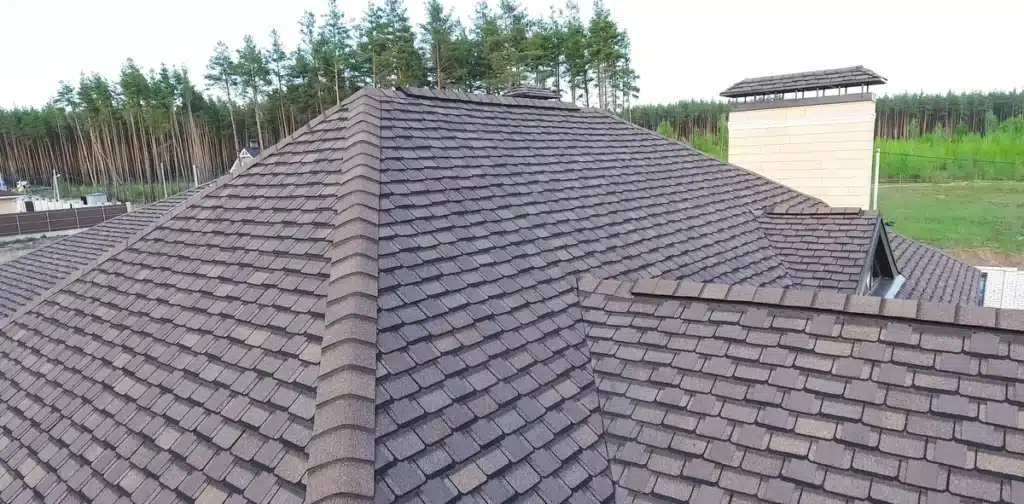
Slate roofing has a rich history dating back centuries. Quarried from natural stone, typically slate, it is renowned for its distinctive appearance characterized by its smooth, flat surface and subtle variations in color and texture.
Slate roofing is celebrated for its exceptional durability, often lasting a century or more with proper maintenance. Its resistance to fire, rot, and insect damage makes it a popular choice for homeowners seeking a long-term roofing solution that enhances the aesthetic appeal of their property.
What is Synthetic Slate Roofing?
Synthetic slate roofing is a modern alternative to traditional slate, engineered to replicate the appearance and performance of natural slate while offering additional benefits. Instead of being hewn from natural stone, synthetic slate is typically made from a blend of polymers, recycled materials, and other additives.
Through advanced manufacturing techniques, synthetic slate can closely mimic the look and texture of natural slate, offering homeowners a more affordable and lightweight alternative.
Pros and Cons of Traditional Slate Roofing
Traditional slate roofing boasts several advantages that have cemented its reputation as a premium roofing material.
✅ Pros:
- Timeless Aesthetic: Natural slate exudes elegance and sophistication, enhancing the curb appeal and value of any property.
- Longevity: With proper installation and maintenance, a traditional slate roof can last for over a century, outlasting many other roofing materials.
- Fire Resistance: Slate is inherently fireproof, providing an added layer of protection for the home.
- Environmental Sustainability: As a natural material, slate is environmentally friendly and can be recycled or repurposed at the end of its lifespan.
❌ Cons:
- Heavy Weight: Natural slate is significantly heavier than other roofing materials, requiring reinforced roofing structures and increasing installation costs.
- Cost: The high cost of sourcing, transporting, and installing natural slate can be prohibitive for many homeowners, making it a luxury option.
- Fragility: While durable, natural slate can be brittle and prone to chipping or cracking, especially during installation or severe weather events.
- Limited Color Options: Natural slate is available in a relatively narrow range of colors and textures, limiting design flexibility.
Pros and Cons of Synthetic Slate Roofing
Synthetic slate roofing offers a compelling alternative to traditional slate, with its own set of advantages and disadvantages.
👍 Pros:
- Affordability: Synthetic slate is typically more cost-effective than natural slate, making it accessible to a broader range of homeowners.
- Lightweight: Compared to natural slate, synthetic slate is lighter, reducing the structural requirements and installation complexity.
- Durability: Synthetic slate is engineered to be impact-resistant and less prone to chipping or cracking, ensuring long-term performance.
- Versatility: Synthetic slate is available in a wide range of colors, textures, and profiles, allowing for greater design flexibility and customization.
👎 Cons:
- Lifespan: While durable, synthetic slate may not have the same longevity as natural slate, with an average lifespan of 50-75 years.
- Appearance: While closely resembling natural slate, some homeowners may prefer the authentic look and feel of traditional slate.
- Environmental Impact: While many synthetic slate products incorporate recycled materials, the manufacturing process may have a higher environmental footprint compared to natural slate.
- Maintenance: While generally low-maintenance, synthetic slate roofs may require periodic cleaning and maintenance to preserve their appearance and performance.
3 Benefits of Synthetic Slate Roofing
To recap, here are the main benefits you can expect when you invest in synthetic slate.
1) Sustainability ♻️
Synthetic slate roofing offers significant environmental benefits compared to traditional slate. While natural slate is a finite resource that requires extensive quarrying and transportation, synthetic slate is often made from recycled materials such as plastics, rubber, and other sustainable components.
By opting for synthetic slate, homeowners can reduce their environmental footprint and contribute to conservation efforts without compromising on quality or aesthetics.
2) Ease of Installation 🔨
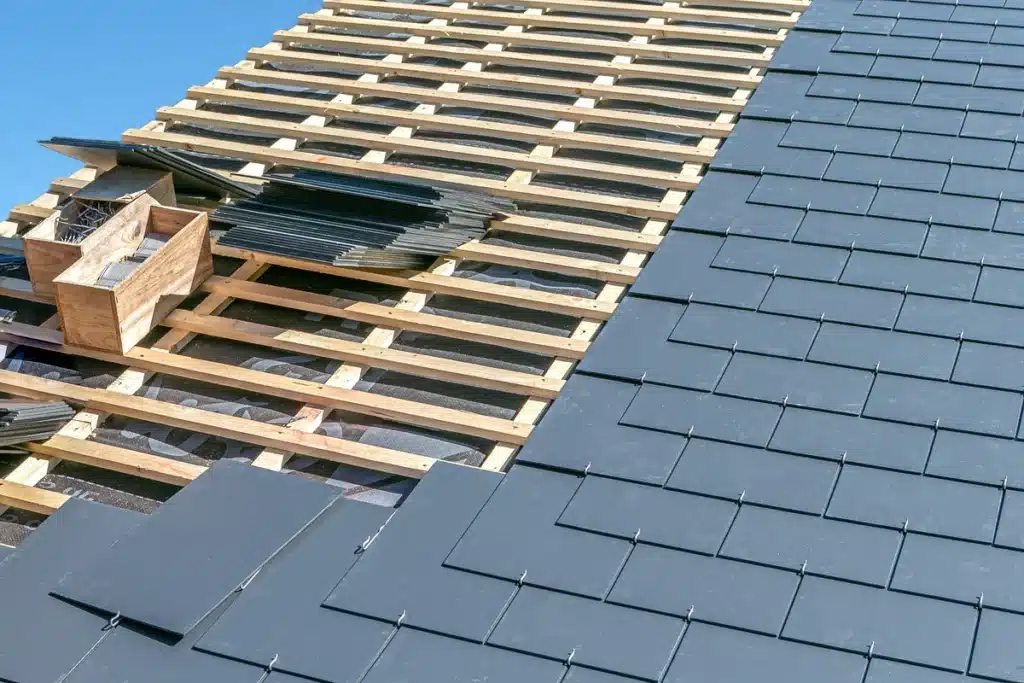
Synthetic slate roofing is lightweight and easier to install than natural slate, reducing labor costs and installation time. Unlike heavy natural slate, which requires specialized equipment and skilled labor for handling and installation, synthetic slate can be installed using standard roofing techniques and tools. This streamlined installation process translates to cost savings for homeowners and ensures a smoother and more efficient roofing project.
3) Design Flexibility 🏡
Synthetic slate roofing offers unparalleled design flexibility, allowing homeowners to customize their roofs to suit their architectural style and personal preferences. Unlike natural slate, which is limited in color options and profile variations, synthetic slate is available in a wide range of colors, textures, and profiles. Whether you prefer the classic look of traditional slate or want to explore contemporary design options, synthetic slate allows for greater creativity and customization, ensuring that your roof complements your home’s aesthetic appeal.
By incorporating these additional benefits, homeowners can make a more comprehensive assessment of synthetic slate roofing as a viable alternative to traditional slate, considering not only its cost-effectiveness and durability but also its environmental sustainability, ease of installation, and design versatility.
Cost Considerations
When considering the cost of synthetic slate roofing, several factors come into play, including material costs, installation expenses, and long-term maintenance. While synthetic slate is generally more affordable than natural slate, it’s essential to factor in the lifespan of the roof and any additional maintenance costs over time.
On average, synthetic slate roofing can range from $8 to $15 per square foot, including materials and installation, compared to $15 to $25 per square foot for natural slate. However, these costs can vary depending on factors such as roof size, complexity, location, and contractor rates.
Longevity Comparison
One of the key considerations when choosing between traditional and synthetic slate roofing is longevity. While traditional slate roofs can last over a century with proper care, synthetic slate roofs typically have a lifespan of 50 to 75 years. While this may seem significantly shorter, it’s important to weigh this against the lower upfront cost and reduced maintenance requirements of synthetic slate.
Ultimately, the choice between the two will depend on your budget, aesthetic preferences, and long-term goals for your property.
How to Choose Between Traditional and Synthetic Slate Roofing
When deciding between traditional and synthetic slate roofing, there are several factors to consider:
- Budget: Determine your budget for roofing materials and installation, taking into account long-term maintenance costs.
- Aesthetic Preferences: Consider the look and feel you want to achieve with your roofing material, including color, texture, and profile options.
- Structural Considerations: Assess your roof’s structural capacity and any additional reinforcement required for heavier materials like natural slate.
- Environmental Impact: Consider the environmental footprint of both options, including sourcing, manufacturing, and disposal.
- Longevity vs. Cost: Balance the lifespan of the roof with the upfront cost and ongoing maintenance requirements to determine the best value for your investment.
Questions to Ask Your Contractor
Before investing in a synthetic slate roof, be sure to ask your contractor the following questions:
- What is the warranty coverage for the synthetic slate roofing material, and what is included in the installation warranty?
- Can you provide examples of past projects using synthetic slate roofing, including references?
- What is the estimated lifespan of the synthetic slate roofing product, and what maintenance is required to maximize its longevity?
- How does the cost of synthetic slate roofing compare to other roofing materials, including natural slate?
- What is the expected timeline for installation, and what factors could affect the schedule?
Learn About Different Slate Roofing Systems
Synthetic slate roofing offers a compelling alternative to traditional slate, providing homeowners with a durable, affordable, and visually appealing roofing solution. While it may not have the same longevity as natural slate, synthetic slate offers greater versatility, lower installation costs, and reduced maintenance requirements.
Whether you are considering a natural slate roof or are sold on the benefits of synthetic slate roofing, Tectum Roofing can help you! Contact us today to get started!